Table of Contents
Let's be honest, keeping kids occupied these days feels like a competitive sport. Between screen time battles and the ever-present need to "go somewhere," parents are constantly searching for ways to channel that boundless energy. That's where good old-fashioned outdoor play comes in, specifically by adding quality backyard playground equipment right outside your door. Forget packing up the car or navigating crowded public parks; your own patch of grass can become the prime entertainment hub.
Why Bother with Backyard Play? More Than Just Swings
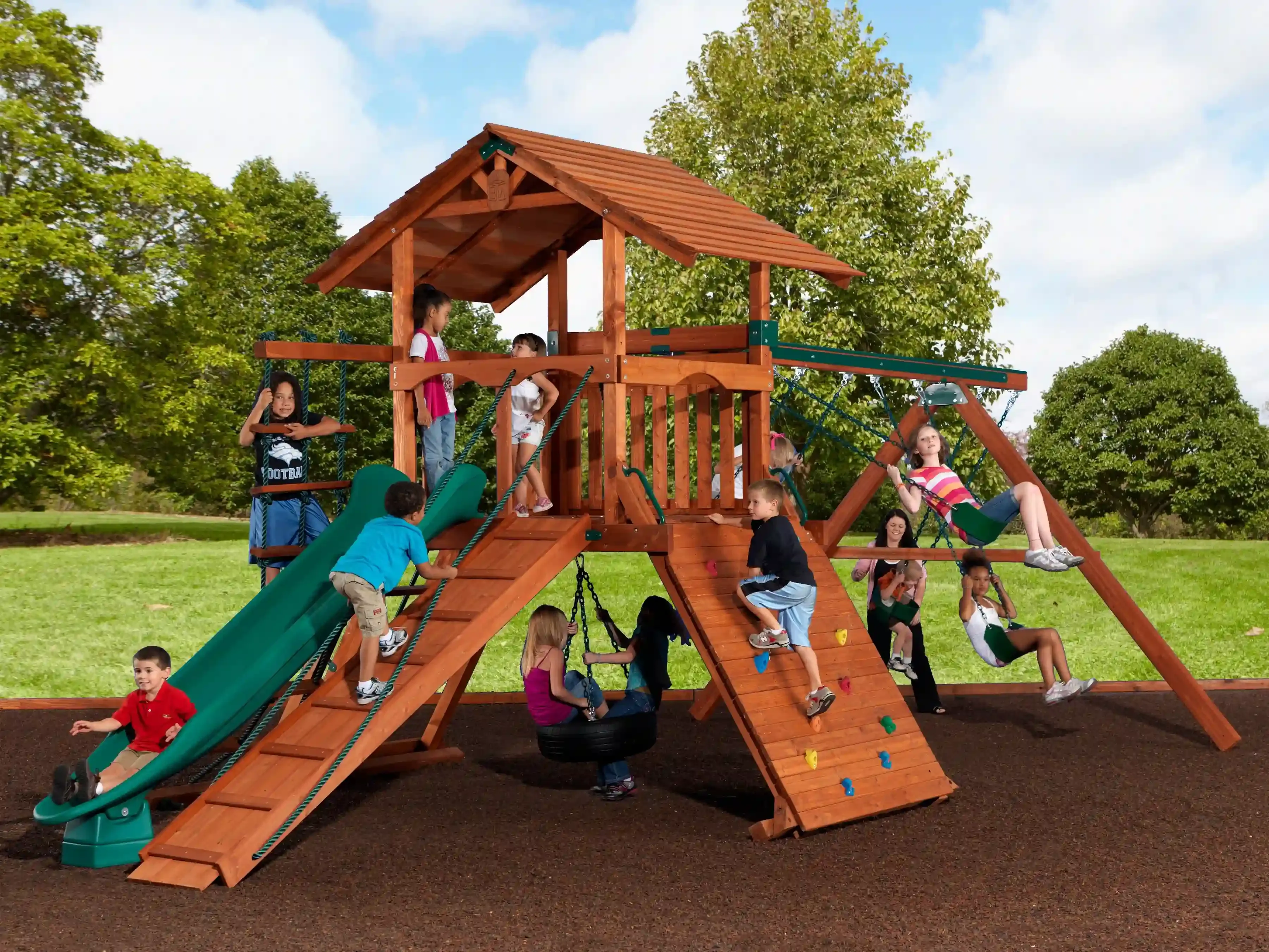
Why Bother with Backyard Play? More Than Just Swings
so you might be thinking, "Is dropping a chunk of cash on backyard playground equipment really worth it?" And yeah, it's not chump change. But let's look past the initial sticker shock. Having a dedicated play space right outside your back door isn't just about giving kids something to do besides rearrange the couch cushions. It's about fostering physical health by encouraging running, climbing, and swinging – activities crucial for development but increasingly sidelined in kids' lives. It sparks imagination; a simple wooden fort becomes a pirate ship, a castle, or a space station. It's convenient, letting them burn energy safely while you make dinner or finally tackle that laundry mountain. It’s a consistent, accessible way for them to just be kids, getting fresh air and sunshine without needing a planned excursion. It's an investment in their well-being and your sanity.
Types of Backyard Playground Equipment: Finding Your Fit
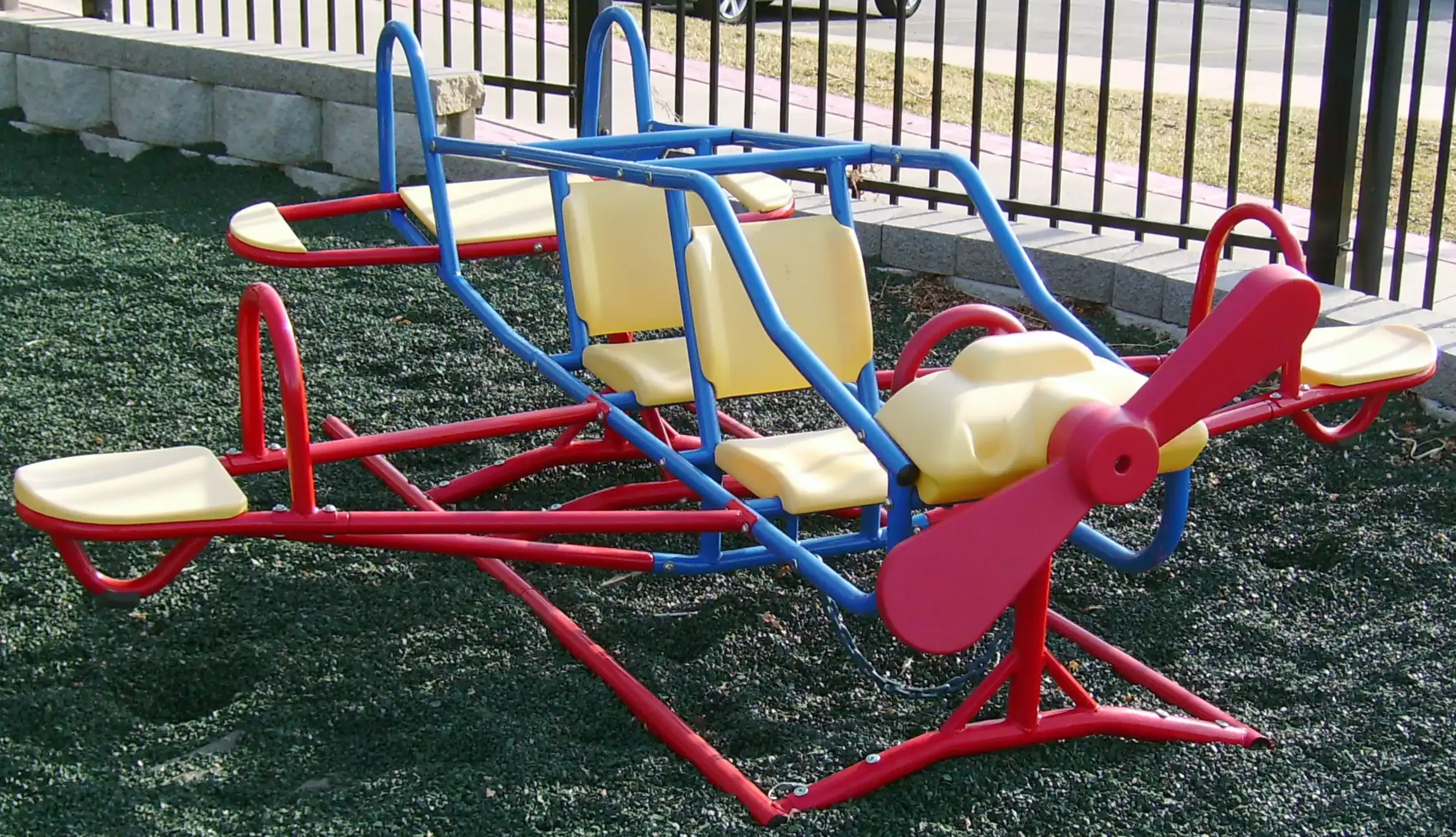
Types of Backyard Playground Equipment: Finding Your Fit
Starting Simple: Swings and Standalones
Alright, so you're sold on the idea of backyard fun. Now comes the fun part (and maybe slightly overwhelming part): figuring out what kind of backyard playground equipment actually fits your space and your kids. You don't have to go zero to hero overnight. Sometimes, the simplest things bring the most joy.
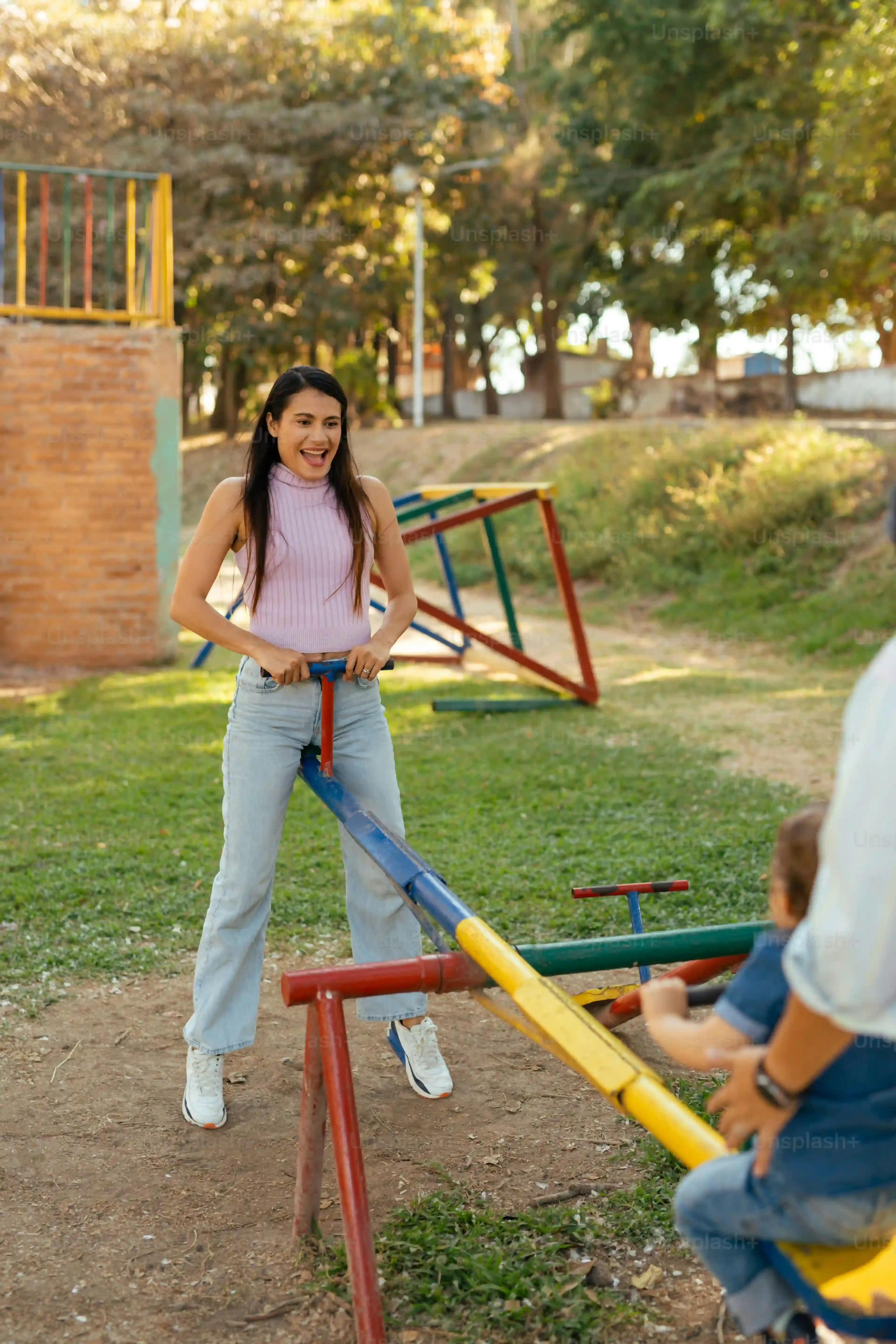
Think classic swing sets. They're a staple for a reason. You can get basic A-frame models with just swings, or ones that add a glider, a trapeze bar, or even a small slide. Standalone items like a climbing dome, a sandbox, or a simple seesaw are also great starting points, especially if your yard is on the smaller side or you're dipping your toes in the water before committing to a larger structure. They offer focused activity and can be easier on the wallet and installation time.
Stepping Up: Playsets and Multi-Activity Structures
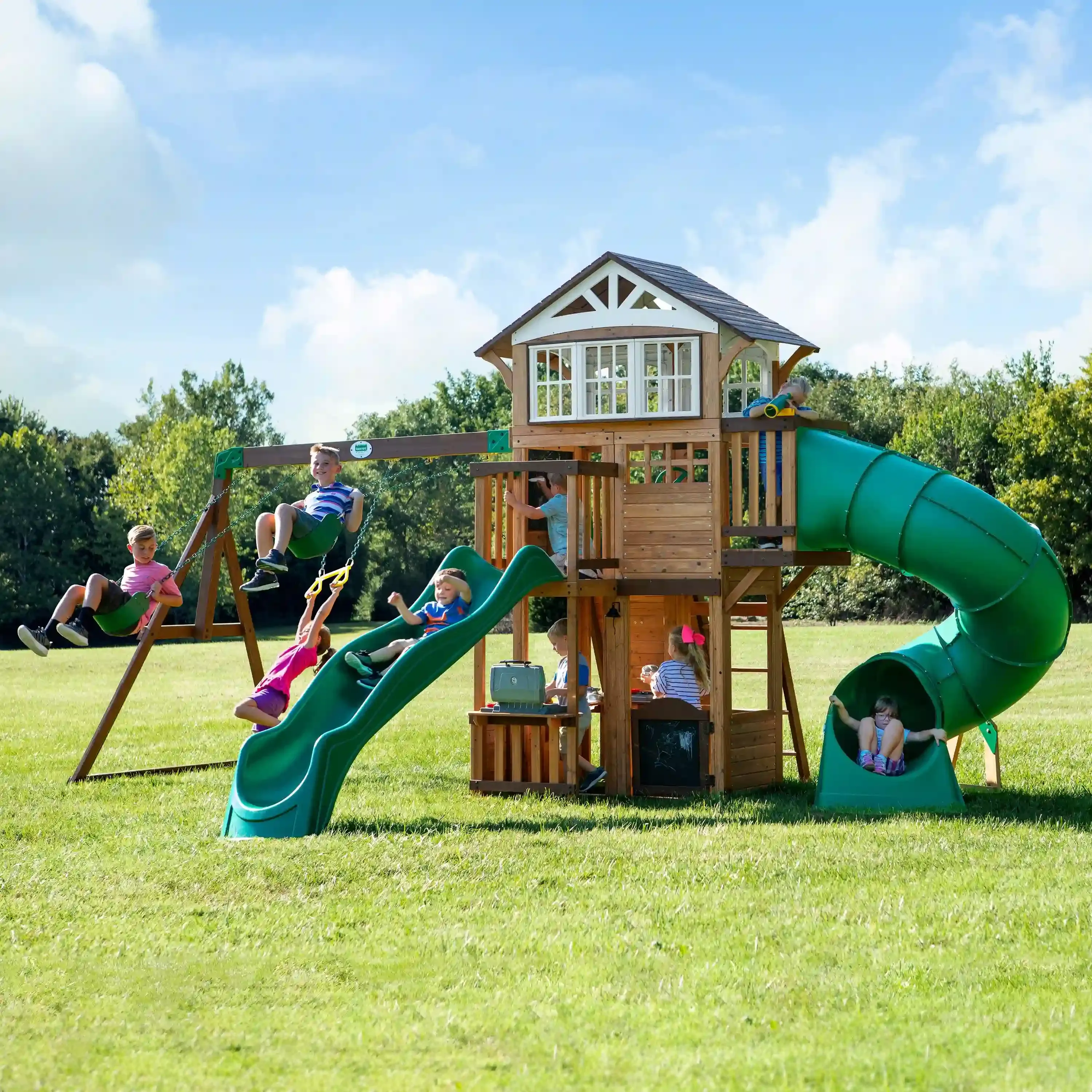
If you've got a bit more room to play with (pun intended) and kids who are ready for more varied challenges, playsets are the next level for backyard playground equipment. These are the all-in-one units that typically combine swings with a fort or clubhouse structure, a slide, and maybe some climbing features like a ladder or rock wall.
They come in wood or metal, each with pros and cons we can get into later. Wooden sets often look more natural and can be customized, but require more maintenance. Metal sets are generally lower maintenance and more durable against weather, though they can get hot in the sun. These playsets are designed to keep kids engaged with multiple activities in one footprint, making them a solid choice for families with varying ages or interests.
Type of Equipment | Pros | Cons |
|---|---|---|
Swing Set (Standalone) | Simple, space-efficient, lower cost | Limited activity variety |
Climbing Dome/Sandbox | Encourages specific skills, relatively compact | Single activity focus |
Playset (Wood/Metal) | Multiple activities, promotes imaginative play | Higher cost, requires more space, can be complex to assemble |
Considering Your Crew and Constraints
Before you click "add to cart" on the biggest playset you see, take a beat. Who is this backyard playground equipment for? A swing set perfect for toddlers won't cut it for a ten-year-old. Consider the age range of your children and what activities genuinely excite them. Are they climbers, swingers, diggers, or fort-builders?
Also, look at your yard. Measure the available space, keeping in mind the required safety perimeter around the equipment. Sloped yards can be tricky and might require leveling. Think about sun exposure – placing a slide where it bakes in direct afternoon sun isn't a great idea. Factor in your budget, not just for the equipment itself, but for potential installation costs and any necessary safety surfacing like mulch or rubber tiles.
Safety First: Choosing and Installing Backyard Playground Equipment
Safety First: Choosing and Installing Backyard Playground Equipment
Picking Backyard Playground Equipment That Won't Cause Headaches (Literally)
let's talk brass tacks: safety. It's the least exciting part of buying backyard playground equipment, but arguably the most critical. You're creating a space for kids to get wild, so it needs to withstand that energy without becoming a hazard zone. Look for equipment made from sturdy, durable materials. Wood should be splinter-free and treated properly (but check if the treatment is safe for kids!). Metal should be rust-resistant and have smooth edges. Avoid anything with small gaps or openings where little heads or limbs could get stuck. Check for safety certifications, like those from ASTM (American Society for Testing and Materials). These standards exist for a reason – they test for things like structural integrity and pinch points. Don't just assume because it looks fun, it's safe for your specific child's age and size. Manufacturers usually list age recommendations; pay attention to them.
Getting It Set Up Right: Location, Leveling, and Landing
So you've got the boxes piled up, ready to transform your yard. The installation of your backyard playground equipment is where safety truly begins. First, location, location, location. Pick a spot away from fences, trees, clotheslines, or anything else a kid could swing into or fall onto. You need adequate clearance around the entire structure. The ground underneath needs to be level – seriously, level ground prevents tipping and ensures components hang correctly. If your yard slopes, you'll need to do some prep work. Anchoring the equipment securely to the ground is non-negotiable, especially in areas with wind. Those stakes and anchors aren't optional. Finally, the landing surface matters big time. Concrete or packed dirt? Absolutely not. You need something soft to cushion falls. Think wood mulch, sand, pea gravel, or rubber mulch/tiles. The depth required depends on the fall height of the equipment, but more is generally better.
Recommended Safety Surfacing Materials
- Wood Mulch/Chips: Relatively inexpensive, readily available.
- Shredded/Recycled Rubber Mulch: Excellent shock absorption, lasts a long time, but can be more expensive initially.
- Sand: Good impact absorption when deep enough, but can hide hazards and requires raking.
- Pea Gravel: Drains well, less appealing to animals than sand, but can be uncomfortable to walk on and might be thrown.
- Rubber Tiles/Mats: Provide a uniform, accessible surface, often used in public parks, but are the most costly option.
Keeping it Fun and Safe: Maintenance for Your Backyard Setup
Keeping it Fun and Safe: Maintenance for Your Backyard Setup
Regular Check-Ups: More Than Just Kicking the Tires
you've done the hard part: picked out the backyard playground equipment, wrestled it into place, and hopefully didn't lose too many fingers in the process. Now comes the equally important, though less glamorous, job: keeping it in shape. Think of it like owning a car; you wouldn't just drive it until it falls apart, right? Your kids' safety depends on you being proactive. Get into a routine of checking the structure regularly. Look for loose bolts, cracked wood, frayed ropes, or damaged plastic parts. Give swings a good yank to ensure they're secure. Scrape away any sharp splinters. Check the slide for cracks or rough patches that could snag clothes or skin. A quick visual inspection before playtime is a good habit, and a more thorough check-up every month or two is essential. Don't forget to clear away debris like leaves, sticks, or rogue toys from the safety surfacing; hazards hide easily.
Addressing Wear and Tear: Nipping Problems in the Bud
Things happen. Wood weathers, bolts loosen, and kids are masters of putting things to the test. When you spot an issue with your backyard playground equipment, deal with it promptly. A small crack in a plastic slide can become a major break. A slightly loose bolt can lead to a wobbly, unstable structure. Have the right tools on hand – wrenches for tightening, maybe some sandpaper for smoothing rough spots, and touch-up paint or sealant for wooden components to protect against rot and UV damage. Replace worn-out ropes or swings before they snap. If a part looks questionable, err on the side of caution and replace it. Ignoring minor issues is how minor issues become major, and potentially dangerous, problems. Keeping up with small fixes saves you bigger headaches (and possibly hospital visits) down the line.
Common Maintenance Checks
- Tighten all bolts and nuts.
- Inspect wood for splinters, cracks, or rot.
- Check metal for rust or sharp edges.
- Examine plastic parts for cracks or fading.
- Verify ropes and chains are secure and not frayed.
- Ensure swing seats are undamaged.
- Rake and level safety surfacing.
- Look for insect nests or other hazards.
Making the Most of Your Backyard Playground Equipment Investment
Making the Most of Your Backyard Playground Equipment Investment
Getting Your Money's Worth from Backyard Fun
You've spent the money, you've sweated through the assembly, and you've committed to the upkeep. Now, how do you ensure this isn't just a giant, expensive lawn ornament after the novelty wears off? Making the most of your backyard playground equipment investment is about more than just having it there; it's about actively encouraging its use and integrating it into your family's routine. Set challenges, invent games, and occasionally join in yourself (if your knees can handle it). Don't let it sit idle just because the weather isn't perfect; kids in rain boots and mud are often the happiest. Think about themed playdays, invite friends over for mini-olympics, or use it as a reward for chores or schoolwork. The goal is to keep it fresh and appealing, a constant invitation to ditch the screens and just play.
Your Yard's New Mission: Less Lounge, More Launchpad
So, we've talked about transforming that patch of grass from just a place to mow into a bona fide adventure zone with the right backyard playground equipment. It's more than just buying some plastic and metal; it's about creating a space where skinned knees are badges of honor and imaginary worlds come to life. We covered the different options, the absolute non-negotiables of safety during setup and regular check-ups, and how to keep the whole thing from becoming just another piece of yard furniture. Making this kind of investment requires some thought, sure, but the return isn't measured in dollars – it's measured in shrieks of laughter, muddy footprints, and kids who are genuinely tired at the end of the day. It's not a magic bullet for perfect childhoods, but it certainly tilts the odds in favor of active fun over endless scrolling.