Table of Contents
Ever wondered if playgrounds could be more than just swings and slides? I did! Turns out, they totally can. We're talking about eco-friendly playgrounds, and they're not just good for the planet; they're awesome for kids too. This isn't your regular playground made of boring plastic and metal; we're talking about spaces built with nature in mind, using cool things like recycled materials and natural elements. In this article, I'm going to show you the amazing benefits of eco-friendly playgrounds. We'll explore how these spaces boost kids’ creativity, why they're safer and healthier, and how they help the environment. Get ready to see how making playgrounds green can make a huge difference for our kids and the world around us. I’ll also touch upon how communities can get involved and the long-term savings that these playgrounds offer. By the end, you’ll see why choosing eco-friendly is the only way to play!
Understanding the Benefits of EcoFriendly Playgrounds
Understanding the Benefits of EcoFriendly Playgrounds
What Makes a Playground "Eco-Friendly"?
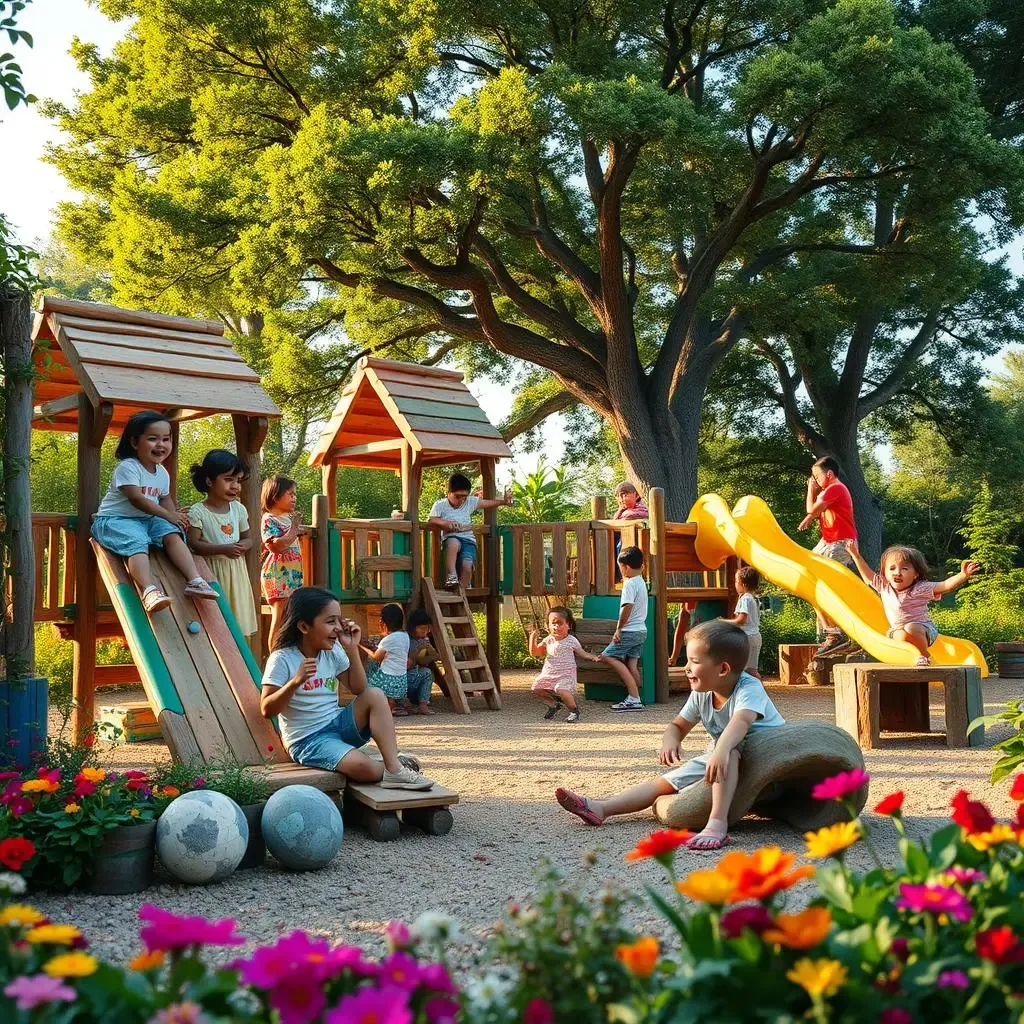
Okay, so what exactly is an eco-friendly playground? It's not just about throwing some plants around a swing set. It's about making smart choices from the ground up. Think of it like this: instead of using new plastic and metal, these playgrounds use recycled materials like old tires or plastic bottles to make slides and climbing structures. They also use wood from forests that are managed responsibly. The idea is to reduce waste and use resources wisely, kind of like recycling at home, but on a bigger, more fun scale!
These playgrounds aren't just about what they're made of, though. They're also designed to work with nature, not against it. That means planting trees, creating gardens, and even using rainwater to water the plants. It's about creating a space that feels more like a natural park than a typical playground. It’s a place where kids can connect with nature, and have a blast while doing it. It is a win-win situation for everyone involved.
Why Bother Going Green?
You might be thinking, “Why does this matter? Why not just stick with the usual playgrounds?” Well, the benefits of eco-friendly playgrounds are huge. First off, they're better for our planet. By using recycled materials, we're helping reduce the amount of trash that ends up in landfills. We’re also protecting our forests by using wood that's been harvested responsibly. Plus, these playgrounds help teach kids about the environment, showing them that we can have fun while still taking care of our planet.
But it is not just about the planet; it is also about our health. Traditional playgrounds can sometimes use materials that contain harmful chemicals. Eco-friendly playgrounds, on the other hand, focus on using non-toxic materials, so kids can play without worrying about harmful substances. It's like choosing healthy food over junk food – both are tasty, but one is way better for you. So, going green isn't just a trend, it's a smart move for the kids and our planet, and that’s why it is important.
Feature | Traditional Playground | Eco-Friendly Playground |
|---|---|---|
Materials | New plastic, metal | Recycled, natural wood |
Environmental Impact | High waste, resource depletion | Low waste, sustainable |
Health Concerns | Potential toxins | Non-toxic, safe |
Nature Integration | Minimal | High, includes plants, gardens |
How Natural Elements Boost Play and Imagination
How Natural Elements Boost Play and Imagination
The Magic of Natural Materials
Okay, so we've talked about what makes a playground eco-friendly, but now let's get to the really fun stuff: how these natural elements actually make playtime way more awesome. Think about it, instead of a plastic slide, imagine sliding down a smooth, grassy hill or climbing on a log that’s been shaped into a cool sculpture. It's like turning the playground into a giant, outdoor art project where kids are the artists. Natural materials like wood, sand, and stone offer so many different textures and shapes that kids can explore. It isn’t just about seeing; it's about feeling, touching, and interacting with the world in a way that plain old plastic can’t provide.
These natural elements spark creativity in ways you might not expect. A simple pile of rocks can become a castle, a spaceship, or even a monster’s lair in a matter of minutes. When kids have the freedom to create their own adventures using natural materials, they're not just playing; they're learning to think outside the box, solve problems, and use their imaginations to the fullest. It's like they're building their own worlds, one log, one stone, one stick at a time. It’s a far cry from the pre-set narratives of standard play structures.
Unleashing Imagination Through Nature
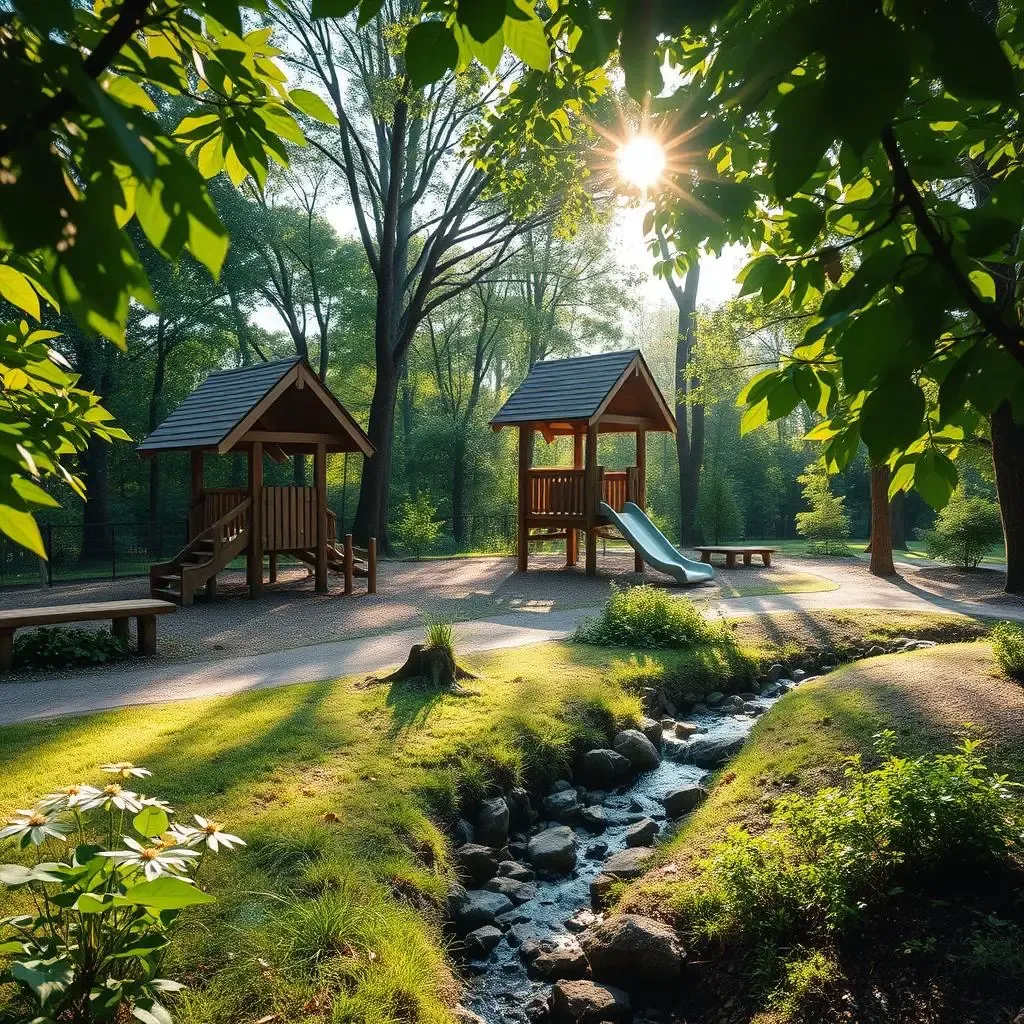
Natural playgrounds aren’t just about physical objects; they’re also about creating a space that encourages kids to use their imaginations in a big way. Imagine a playground with a small stream running through it, or a patch of tall grass where kids can hide. These aren’t just cool features; they’re invitations for kids to create their own stories. A stream becomes a river to be crossed, and tall grass hides secret passages to be discovered. It’s like giving kids a blank canvas and saying, "Go make something amazing!"
When kids are surrounded by nature, it’s like their brains get a boost of creative energy. They start to see the world as a place full of possibilities, not just pre-defined structures. They learn to observe, explore, and create their own games and adventures. It's not just about running and jumping; it's about thinking, imagining, and connecting with the natural world. And honestly, that’s a pretty amazing skill to have, not just for playtime, but for life in general. It is a skill that is very hard to learn in a traditional playground.
Feature | Traditional Playground | Eco-Friendly Playground |
|---|---|---|
Materials | Plastic, metal | Wood, sand, stone, plants |
Texture | Uniform, smooth | Varied, natural |
Imagination | Limited by structure | Unlimited, open-ended |
Storytelling | Pre-set scenarios | Child-created adventures |
Safety, Health and LongTerm Cost Benefits of EcoFriendly Playgrounds
Safety, Health and LongTerm Cost Benefits of EcoFriendly Playgrounds
Safety First: Reducing Risks with Natural Materials
Alright, let’s talk about safety, because what’s the point of an awesome playground if it's not safe, right? Traditional playgrounds sometimes use materials that can get super hot in the sun, like metal slides, or have sharp edges. Eco-friendly playgrounds are designed with safety in mind, using natural materials that are less likely to cause burns or scrapes. Wood, for example, doesn’t get as hot as metal, and natural materials often have softer, rounded edges. It’s like choosing a soft, comfy blanket over a scratchy one – both can cover you, but one is way more pleasant and safe. The focus is on creating a play space that minimizes risks and allows kids to play freely without constant worry.
Also, eco-friendly playgrounds often use natural ground cover like wood chips or sand, which are much better at cushioning falls than hard asphalt or concrete. It’s like having a built-in safety net. That means less bumps, bruises, and tears, and more happy, carefree playtime. And when kids are less worried about getting hurt, they're more likely to explore, take risks, and have fun. It’s about creating a balance between adventure and safety. It’s not about being boring; it’s about being smart about how we design play spaces for our kids.
Health Benefits Beyond the Playtime
Beyond physical safety, eco-friendly playgrounds also offer some serious health advantages. These playgrounds often integrate plants and trees, which help clean the air around them. It’s like having a mini-forest in your neighborhood. Cleaner air means healthier lungs for kids, and that's always a good thing. Plus, studies have shown that spending time in nature can reduce stress and improve mood. So, an eco-friendly playground is not just a place to play; it’s also a place to relax, unwind, and connect with the natural world. It’s like getting a dose of fresh air and sunshine, all while having fun.
Also, eco-friendly playgrounds encourage more active play. Natural elements like logs, rocks, and hills challenge kids to climb, balance, and explore in different ways than traditional playgrounds. This varied activity helps kids develop better coordination, strength, and overall physical fitness. It's like having a natural gym right in the park. And when kids are active and healthy, they're more likely to develop good habits that will last a lifetime. That is a very important benefit of this type of playground.
Feature | Traditional Playground | Eco-Friendly Playground |
|---|---|---|
Safety | Hot surfaces, sharp edges | Cool surfaces, rounded edges |
Ground Cover | Asphalt, concrete | Wood chips, sand |
Air Quality | Minimal impact | Improved by plants and trees |
Activity | Repetitive motions | Varied, challenging activities |
The Smart Choice: Long-Term Cost Savings
Now, let’s talk about something that adults care about: money. You might think that eco-friendly playgrounds are more expensive to build, but they can actually save communities money in the long run. Why? Because sustainable materials like recycled plastic and durable wood tend to last longer than traditional playground materials. That means less need for repairs and replacements over the years, and that adds up to a lot of savings. It’s like investing in a well-built house versus a flimsy one – the initial cost might be a bit higher, but you’ll save money on repairs in the long run.
Furthermore, eco-friendly playgrounds often require less maintenance. Natural materials like wood and stone don’t need to be painted or treated with chemicals, saving time and money. Plus, when you use local materials, you reduce the cost of transportation. It’s like shopping at a local farmer’s market instead of a big chain store – you're supporting your community and saving money at the same time. Choosing eco-friendly playgrounds isn’t just a nice thing to do, it’s a smart financial decision that benefits everyone. It’s a win-win for both the environment and the community’s wallet.
The Impact of EcoFriendly Playgrounds on the Environment and Community
The Impact of EcoFriendly Playgrounds on the Environment and Community
Boosting Biodiversity and Environmental Health
Okay, so let's talk about the bigger picture – how eco-friendly playgrounds help our planet. These aren't just play areas; they're little ecosystems. When we plant native trees, flowers, and shrubs, we're creating habitats for birds, insects, and other small creatures. It's like building a little nature reserve right in the middle of our neighborhoods. This biodiversity is super important because it helps keep our environment healthy and balanced. Think of it like a team of superheroes; each plant and creature plays a vital role in keeping everything running smoothly. And honestly, who doesn't want a playground that's also a home for nature?
Also, eco-friendly playgrounds can help reduce our carbon footprint. By using recycled materials, we're reducing the need for new resources, saving energy, and cutting down on pollution. It's like choosing to ride a bike instead of driving a car – it's a small change that has a big impact. Plus, by using local materials, we’re cutting down on the pollution from transportation. It's all about making choices that are good for the planet and for our kids. It is a big win for everyone involved, and it’s pretty cool that a playground can be a part of that.
Strengthening Communities Through Shared Spaces
Eco-friendly playgrounds aren't just about the environment; they're also about bringing communities together. When a community creates a playground that’s beautiful, natural, and fun, it becomes a place where everyone wants to spend time. It’s a spot where kids can play, parents can relax, and neighbors can connect. Think of it as a community living room, but outside and with swings! These spaces foster a sense of belonging and pride in a neighborhood. When people work together to build and maintain a playground, they are creating a bond that goes beyond just a play area. It is a place to make memories and build friendships.
Also, eco-friendly playgrounds can become educational centers. They’re great places for kids to learn about nature, sustainability, and the importance of taking care of our planet. It’s like having a living classroom right in the park. When kids see firsthand how a playground is made, how it benefits the environment, and how it brings people together, they're more likely to become environmentally conscious and engaged citizens. It’s about teaching them values that will last a lifetime. And what better place to learn these values than a place where fun and learning go hand in hand?
Feature | Traditional Playground | Eco-Friendly Playground |
|---|---|---|
Biodiversity | Minimal impact | Supports local wildlife |
Carbon Footprint | High resource use | Reduced resource use |
Community | Limited social interaction | Stronger community bonds |
Education | Focus on play | Sustainability learning |