Table of Contents
So, you're thinking about jumping into the family entertainment game? Or maybe you're upgrading an existing space. Either way, the centerpiece, the absolute make-or-break element, is your commercial indoor playground equipment. It’s more than just colorful tubes and slides; it's the engine that drives foot traffic, keeps kids (and tired parents) happy, and hopefully, keeps your bank account looking healthy. Getting this right isn't just about buying the brightest thing you see. It involves careful planning, understanding regulations, and thinking long-term. We're not talking about tossing some plastic toys in a corner. This is a significant investment, and frankly, messing it up is expensive and embarrassing. This article will walk you through the gritty details – from picking the gear that actually works for your specific needs and space, to designing a layout that doesn't cause traffic jams, ensuring everyone stays safe, and keeping the whole thing running smoothly for years. Stick with us, and maybe we can help you avoid some costly rookie mistakes.
Picking the Right Commercial Indoor Playground Equipment
Picking the Right Commercial Indoor Playground Equipment
Starting the Search: What Fits Your Vision?
Alright, so you're standing in an empty building, or maybe just looking at blueprints, and thinking, "How do I fill this with awesome?" Picking the right commercial indoor playground equipment feels like picking the right ingredients for a really complicated cake. You can't just throw everything in and hope for the best. First, get brutally honest about your target audience. Are you aiming for toddlers who are still figuring out stairs, or are you trying to wear out ten-year-olds who bounce off walls? The age range dictates everything – the height of the structure, the types of activities, the safety features required. Don't buy a massive, intimidating structure if your market is strictly under-fives. They'll just cry. Also, consider your space constraints. That giant multi-level monster looks cool in the catalog, but will it actually fit without making the place feel like a sardine can? Measure twice, look at floor plans, and then measure again.
Matching Equipment to Age and Energy Levels
Once you know who you're serving and how much room you have, you can start looking at actual pieces of commercial indoor playground equipment. Toddler areas need soft play, low climbs, and things they can push, pull, and maybe chew on safely. Think foam shapes, mini slides, and sensory panels. For older kids, you need height, challenge, and speed. Tube slides, climbing walls, obstacle courses, and maybe even some interactive elements like projection games keep them engaged. A common mistake? Underestimating the energy of a seven-year-old. They need things that make them tired. Seriously. If the equipment doesn't offer enough challenge, they'll get bored fast, and bored kids find creative, often destructive, ways to entertain themselves. You don't want that.
What's the biggest mistake you see new operators make when picking their initial equipment?
Designing Your Space with Commercial Indoor Playground Equipment
Designing Your Space with Commercial Indoor Playground Equipment
Mapping the Flow: Don't Create Bottlenecks
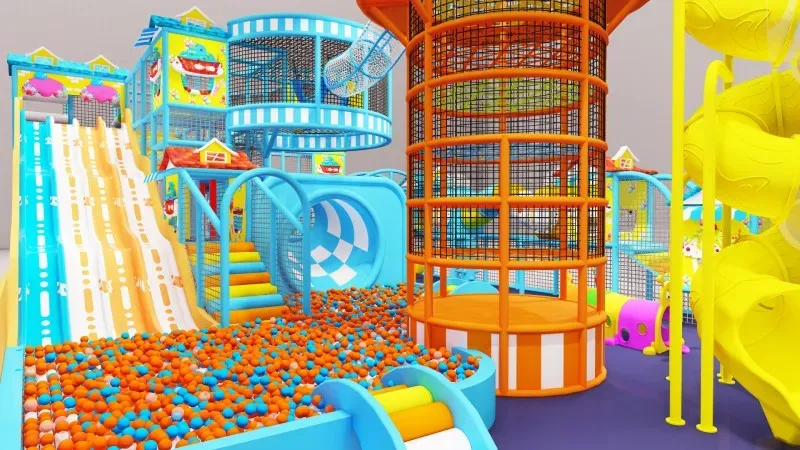
you've got the gear picked out. Now, how do you arrange this giant puzzle of tubes and slides? This is where the rubber meets the road. Think about how people will move through the space. Kids will bolt straight for the fun, obviously, but parents need to navigate too, maybe with strollers, certainly with bags. You need clear pathways. Don't cram everything together just because it fits. Leave enough room around the base of structures for parents to stand and watch (or rescue a stuck child). Consider the entry and exit points of the main play structure. If everyone has to come out the same small opening right into a high-traffic area, you're asking for collisions. Good design with commercial indoor playground equipment prevents headaches later. It's like planning a city; you need highways, not just back alleys.
Zoning for Ages and Safety
Segmenting your space is non-negotiable, especially when you have a mix of age groups using your commercial indoor playground equipment. Toddlers and bigger kids do not mix well unsupervised. A dedicated, enclosed toddler area is crucial. It keeps the little ones safe from getting trampled and gives parents peace of mind. Place it near the entrance or seating area so parents can keep an eye on them easily. Think about sightlines. Can parents see their kids from the seating areas? Blind spots are bad news. Also, consider emergency exits and access points for staff if someone needs help inside the structure. Layout isn't just about fun; it's about managing risk and ensuring smooth operations.
Here are some key zoning considerations:
- Separate toddler area (typically ages 0-3 or 0-5)
- Main play structure area (for older kids)
- Clear pathways and circulation space
- Designated seating or parent rest areas
- Party room access
- Entry/Exit flow
Visibility and Accessibility: Who Sees What?
Parents are paying customers, and their primary concern is their child's safety. They want to see their kids, simple as that. When placing your commercial indoor playground equipment, prioritize visibility from parent seating areas. Glass walls or netting on structures help. Avoid placing tall structures or walls that block views into active play zones. Also, think about accessibility, not just for kids, but for maintenance and potential rescues. Can staff easily get into different levels of the structure if a child needs help? Is there room to clean effectively around and under the equipment? Designing for visibility and accessibility makes your life easier and keeps your customers happier (and safer).
Safety Standards for Commercial Indoor Playground Equipment
Safety Standards for Commercial Indoor Playground Equipment
Understanding the Big Acronyms: ASTM and CPSC
let's talk about the boring but absolutely critical stuff: safety standards. You can't just bolt some metal and plastic together and call it a day. When you're dealing with commercial indoor playground equipment, the big players are ASTM and CPSC. ASTM International sets voluntary consensus standards, and for playgrounds, that's primarily ASTM F1487, which covers everything from structural integrity to head entrapment and fall zones. The CPSC (Consumer Product Safety Commission) takes these standards and sometimes makes them mandatory or issues guidelines. Ignoring these is not an option. It’s the difference between a fun afternoon for kids and a lawsuit waiting to happen. Reputable manufacturers build their commercial indoor playground equipment to meet these standards, but it's your responsibility to ensure the final installation complies too.
Why Manufacturer Reputation Matters for Compliance
Choosing your supplier for commercial indoor playground equipment isn't like buying office furniture. You need a manufacturer who lives and breathes safety standards, not one who just pays lip service. Ask for their certifications. Do they test their components? Do they have a history of compliance? A good manufacturer will not only build safe equipment but will also help you understand the requirements for your specific space and installation. They'll talk about things like critical fall height and the type of surfacing you need underneath equipment. Cutting corners here to save a buck is the most foolish mistake you can make in this business. Your insurance company will care, parents will care, and frankly, the law cares.
Key Safety Standard Areas:
- Fall Height and Surfacing
- Head and Neck Entrapment
- Pinch and Crush Points
- Guardrails and Barriers
- Structural Integrity
- Accessibility
Ongoing Safety Checks and Maintenance
Installation isn't the end of the safety story for your commercial indoor playground equipment. This stuff takes a beating. Kids are relentless. You need a rigorous schedule for inspections and maintenance. Daily checks for obvious hazards like loose bolts or torn netting are essential. Weekly or monthly checks should be more detailed, looking for wear and tear on components. Annual inspections by a certified playground safety inspector are highly recommended, often required by insurance. Think of it like owning a car – you wouldn't just drive it forever without changing the oil or checking the brakes, right? Neglecting maintenance on your commercial indoor playground equipment is inviting trouble, and it diminishes the lifespan of your significant investment.
Maintaining Your Investment: Commercial Indoor Playground Equipment Longevity
Keeping it Clean: The Daily Grind
Look, kids are sticky. They're little vectors of chaos and snack residue. Maintaining your commercial indoor playground equipment starts with keeping it clean, plain and simple. This isn't just about aesthetics; it's about hygiene and preventing wear and tear caused by grit and grime. You need a daily routine. Wipe down surfaces, vacuum mats, check ball pits for... well, you know. Anything that shouldn't be there. Use appropriate, non-toxic cleaning solutions that won't damage the materials or harm the kids. Think of your equipment like a popular restaurant kitchen – if it's not clean, people won't come back, and eventually, things break down faster. A little effort every day goes a long way in preserving your commercial indoor playground equipment.
Beyond the Wipe-Down: Deeper Checks
Cleaning is step one, but it won't catch everything. You need a schedule for deeper inspections. Weekly, check bolts, connections, and netting for any signs of loosening or damage. Are there any tears in the vinyl padding? Are the slides showing excessive wear? Monthly, get into the nooks and crannies. Check structural supports, anchors, and the integrity of platforms. This is where you catch small problems before they become expensive, safety-compromising failures. Don't wait for a piece of equipment to wobble or break before you investigate. Proactive maintenance on your commercial indoor playground equipment saves you headaches, downtime, and potentially, liability issues down the road.
Regular Maintenance Checklist Essentials:
- Daily: Surface cleaning, debris removal, visual scan for hazards.
- Weekly: Bolt/connector checks, padding/netting inspection, slide surface check.
- Monthly: Structural integrity check, anchoring inspection, wear assessment.
- Annually: Professional safety inspection, review of manufacturer guidelines.
Making Your Commercial Indoor Playground Equipment Work
Getting your commercial indoor playground equipment up and running, and keeping it profitable, boils down to making smart choices from the start. It's not just about the initial flash; it's about durability, safety compliance that actually holds up, and a design that makes sense for your specific business and the kids who will use it. There’s no magic bullet, just careful planning, understanding the regulations, and committing to proper maintenance. If you treat this equipment as a critical business asset, not just a giant toy, you stand a much better chance of seeing a return on your investment and avoiding headaches down the road. It takes work, sure, but seeing a busy, safe play area can make the effort worthwhile.