Table of Contents
Picture this: a playground packed with kids, laughter echoing, energy levels off the charts. What makes that scene possible, day after day, year after year, often in tough weather? It's the backbone of the play space, especially when you're talking about high-traffic areas like parks, schools, or community centers. This is wherecommercial metal playground equipmentsteps in. It's not just about swings and slides; it's about building structures that can withstand the relentless energy of hundreds of children while standing up to sun, rain, and everything in between. Cheaper options might look appealing initially, but they often crumble under pressure, literally and figuratively. Investing in the right gear means fewer headaches down the line, less maintenance fuss, and most importantly, a safer place for kids to just be kids. We'll dig into why metal is the go-to material for durability, what kinds of cool stuff you can build with it, the crucial safety bits you absolutely need to know, and how to keep it all looking good and functioning safely for years.
Why Choose Commercial Metal Playground Equipment?
Why Choose Commercial Metal Playground Equipment?
Built to Last: The Durability Factor
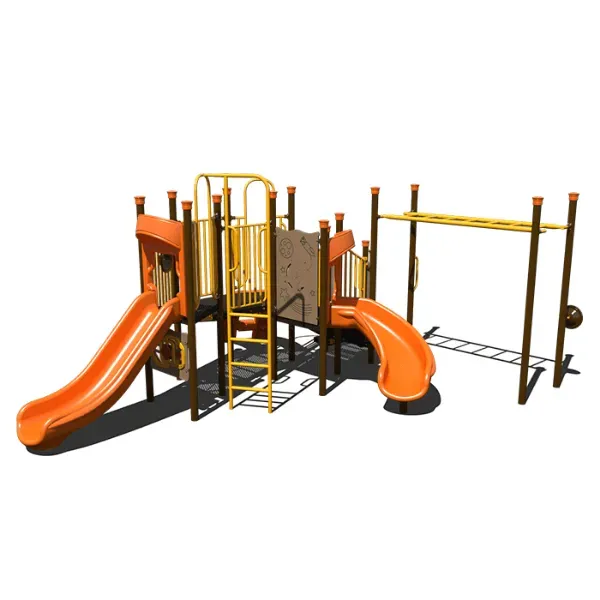
Look, when you're putting money into a playground for a park, a school, or anywhere lots of kids will be using it constantly, you need stuff that won't fall apart after a season or two. That's exactlywhy choose commercial metal playground equipmentmakes so much sense. We're talking heavy-duty steel, often galvanized or powder-coated, designed to shrug off rust, corrosion, and UV rays like they're nothing. Think about the beating these structures take – constant climbing, swinging, sliding, plus whatever the weather throws at them. Wood can rot, splinter, or require frequent sealing. Plastic can fade, crack, and become brittle. Metal, specifically the kind used in commercial equipment, is engineered for that kind of abuse. It's a long-term investment that pays off by not needing constant repairs or premature replacement.
Safety and Compliance: Meeting Strict Standards
Safety isn't optional on a playground; it's the absolute top priority. Reputable manufacturers of commercial metal playground equipment design their products to meet rigorous safety standards set by organizations like ASTM and CPSC. They get third-party certifications, like IPEMA, to prove it. This isn't just paperwork; it means the equipment has been tested for things like pinch points, head entrapment hazards, fall heights, and structural integrity. While any material can be made safer through good design, metal allows for strong, stable structures that can incorporate these safety features effectively. You get solid handrails, secure connections, and frames that don't wobble when a dozen kids are hanging off them. It provides a predictable, strong framework for safe play elements.
- High Strength-to-Weight Ratio
- Excellent Weather Resistance (with proper finish)
- Less prone to splintering or cracking
- Non-flammable
- Easier to clean and sanitize
Low Maintenance, High Value Over Time
Let's be honest, managing a public space means budgets are always tight. The less time and money you spend fixing things, the more you have for other important stuff. This is another area where commercial metal playground equipment shines. Once it's installed correctly, the maintenance is typically minimal. You're looking at periodic inspections, maybe tightening a bolt or two, and keeping it clean. Compare that to sanding and staining wood, or dealing with cracked plastic pieces. The initial cost might sometimes be slightly higher than other materials, but the total cost of ownership over its lifespan is often significantly lower because it simply lasts longer and requires less fuss. It’s a practical choice for busy operators who need reliability without constant upkeep.
Types of Commercial Metal Playground Equipment for Every Age
Types of Commercial Metal Playground Equipment for Every Age
Play Structures for Little Explorers
Getting the right gear for the littlest humans is critical. You're not putting a two-year-old on a ten-foot slide, obviously. For toddlers and preschoolers, the focus is on lower decks, simpler climbing elements, and enclosed slides.Commercial metal playground equipmentdesigned for this age group features smaller steps, easy-to-grip handrails, and often incorporates ground-level play panels. Think bright, sturdy structures with gentle slopes and plenty of sensory activities built right into the metal framework. Safety barriers are higher and openings are carefully sized to prevent entrapment. It’s about creating a secure environment where they can build confidence without major risks. My own kid once face-planted off a step that was just a hair too high; you learn quickly why those standards matter.
Challenging Builds for Older Kids
As kids grow, they crave more challenge and complexity. For the school-aged crowd, commercial metal playgrounds offer taller towers, more intricate climbing walls, challenging monkey bars, and faster slides. Metal allows for impressive height and complex geometries that might be less stable in other materials. You see cool arch climbers, geodesic domes, and multi-level structures that really test their physical limits. These pieces encourage problem-solving, build upper body strength, and provide that thrilling sense of accomplishment. They aren't just playing; they're pushing boundaries, figuring things out as they go.
Ever watch a group of ten-year-olds strategize on a complex climbing structure? It's fascinating. They aren't just randomly scaling; they're planning routes, helping each other up. It's a different kind of play than the younger set engages in.
Age Group | Typical Metal Equipment | Key Design Features |
|---|---|---|
6-23 Months | Small climbers, ground-level panels, low slides | Enclosed spaces, low heights, sensory elements |
2-5 Years | Lower decks, tunnels, simple slides, swings with buckets | Gentle slopes, wider steps, safety barriers, easy-grip rails |
5-12 Years | Taller structures, complex climbers, monkey bars, faster slides, traditional swings | Higher decks, challenging grip points, open designs, physical challenges |
Swings, Spinners, and Standalone Fun
Beyond the main play structures, metal is the material of choice for classic playground staples. Swing sets, from traditional A-frames to modern arch posts, are almost universally made of heavy-duty steel tubing. They offer that timeless joy of soaring through the air. Metal also forms the core of many spinners, merry-go-rounds, and other rotating equipment that provides vestibular stimulation – basically, controlled dizziness that kids love. Freestanding climbers, like rock walls or abstract sculptures, often utilize metal frames or panels for durability and design flexibility. These pieces add variety and appeal to a playground, ensuring there's something for different interests and energy levels.
Safety Standards for Commercial Metal Playground Equipment
Safety Standards for Commercial Metal Playground Equipment
Why Standards Aren't Just Bureaucracy
Let's talk brass tacks: nobody wants a kid getting hurt on their watch. That's why theSafety Standards for Commercial Metal Playground Equipmentaren't just some optional guidelines; they are the bedrock of responsible playground design and installation. Ignoring them is like building a bridge without checking if the concrete is actually, you know, strong. These standards exist because smart, experienced folks have spent years figuring out the most common ways kids get injured on playgrounds – falls, entrapment, collisions, you name it. They provide a blueprint for manufacturers to build equipment that minimizes these risks. It’s the difference between a sturdy structure built to withstand enthusiastic play and a flimsy piece of metal waiting for an accident to happen. You're not just buying swings and slides; you're buying peace of mind, or at least significantly reducing liability.
Decoding ASTM, CPSC, and IPEMA
So, what are these magical acronyms you keep seeing? ASTM (American Society for Testing and Materials) and CPSC (Consumer Product Safety Commission) are the big players in setting the actual safety requirements for playground equipment in the US. ASTM publishes detailed standards covering everything from materials and construction to performance and labeling. The CPSC provides guidelines that often align closely with ASTM, focusing on preventing hazards. When a piece of commercial metal playground equipment says it meets ASTM and CPSC standards, it means it's designed with those specific safety criteria in mind. IPEMA (International Play Equipment Manufacturers Association) certification adds another layer. It means an independent third party has verified that the manufacturer's product actually complies with those ASTM standards. Think of it as a stamp of approval that says, "Yep, someone checked, and this stuff is built right."
- ASTM F1487: Primary standard for public playground equipment.
- CPSC Handbook for Public Playground Safety: Guidelines complementing ASTM standards.
- IPEMA Certification: Third-party validation of compliance.
- Focus on preventing head entrapment, pinch points, and fall hazards.
- Ensuring structural integrity under expected load.
Beyond the Equipment: Surfacing and Maintenance
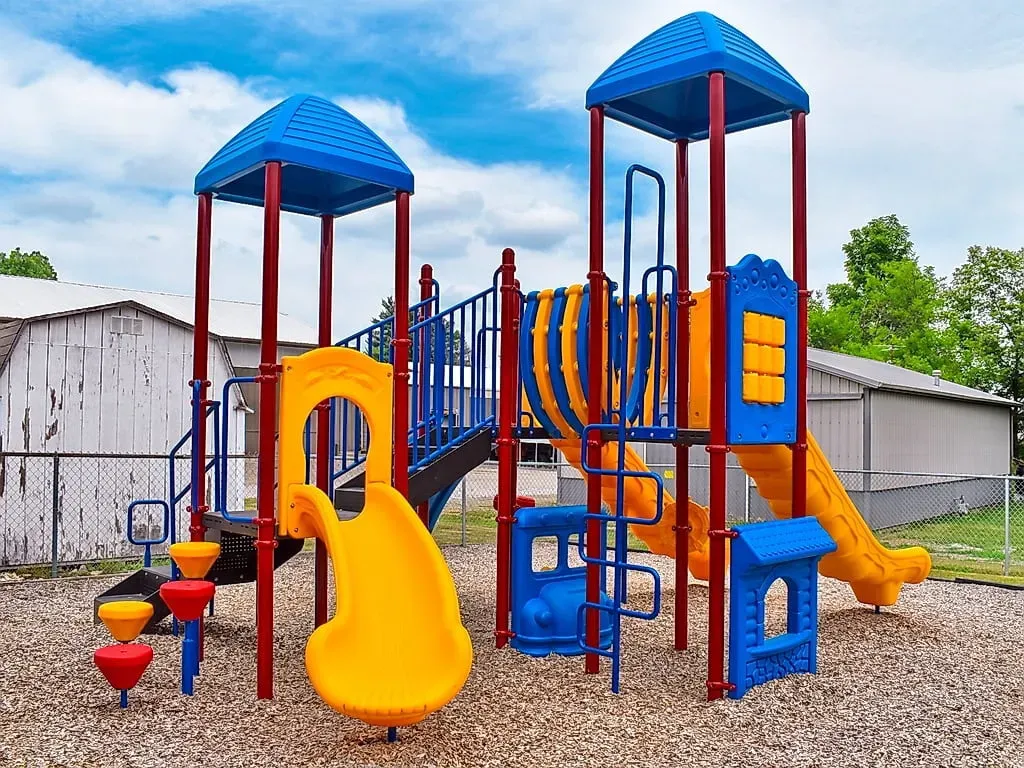
Here’s a crucial point many overlook: even the safest commercial metal playground equipment can be dangerous if the ground beneath it isn't right. A significant percentage of playground injuries come from falls, and the surface material is your last line of defense. Sand, wood chips, engineered wood fiber (EWF), rubber mulch, or poured-in-place rubber are all options, but they need to meet specific depth requirements based on the equipment's fall height. A six-foot slide needs a much thicker layer of shock-absorbing material than a two-foot-high play panel. Plus, safety isn't a one-time deal. Regular inspections are non-negotiable. Bolts loosen, parts wear down, and sometimes, let's be real, people vandalize things. A consistent maintenance schedule, checking for wear, damage, and proper surface depth, is essential to keep that certified equipment actually safe over its long life.
Designing Your Space with Metal Playground Equipment
Designing Your Space with Metal Playground Equipment
Starting with the Site and the Kids
Alright, so you've decided commercial metal playground equipment is the way to go because it's tough and safe. Now, how do you actually figure out what to put where? First things first, look at your space. Is it flat or sloped? Sunny all day or mostly shaded? What's the drainage like? You also need to think hard about who's actually going to be using it. Are you building for tiny tots, rowdy pre-teens, or a mix of everyone?Designing Your Space with Metal Playground Equipmentstarts with understanding the audience and the environment. You wouldn't put a super-tall climber right next to the entrance for a preschool, right? Or maybe you would, if you like chaos. Seriously though, factor in age groups, expected traffic flow, and even things like accessibility requirements. Good design isn't just about cramming cool stuff in; it's about creating zones that work for different activities and ages, making sure kids aren't running headfirst into each other.
Choosing the Right Pieces and Layout
Once you know your site and your users, it's time for the fun part: picking out the actual equipment. Metal offers incredible flexibility in design, from classic post-and-deck systems to intricate custom structures. Think about variety – you need swings, slides, climbers, and maybe some ground-level interactive panels for the little ones or those with mobility challenges. How will kids move through the space? You want a natural flow from one activity to the next. Reputable suppliers of commercial metal playground equipment often provide design services, which is a huge help. They can take your site plan and wish list and turn it into a layout that maximizes play value while adhering to those crucial safety zone requirements. Don't forget about sight lines – can supervisors easily see all areas of the playground? It's a puzzle with a lot of pieces, but getting the layout right makes a massive difference in how the playground is used and enjoyed.
- Assess the site conditions (size, shape, slope, sun exposure, drainage).
- Define the target age groups and their specific needs.
- Plan distinct activity zones (e.g., toddler area, climbing structure area, swing area).
- Consider accessibility requirements for inclusive play.
- Work with suppliers on layout and equipment placement to ensure safe fall zones.
- Visualize traffic flow and how children will navigate the space.
Installation and Maintenance of Commercial Metal Playgrounds
Installation and Maintenance of Commercial Metal Playgrounds
Getting It Right from the Start: Proper Installation
Alright, so you've picked out the perfect pieces ofcommercial metal playground equipment. That's a huge step, but honestly, the install is where the rubber meets the road. You can have the best-engineered slide in the world, but if the footings aren't deep enough or the bolts aren't torqued correctly, you're asking for trouble. This isn't a DIY weekend project for your backyard swing set. Commercial equipment is heavy, complex, and requires precise assembly according to the manufacturer's specs and local building codes. Often, it involves digging substantial holes for concrete footings and using specialized tools. Getting professional installers who know these specific systems is usually worth every penny to ensure everything is level, secure, and meets those critical safety fall zones. Skimping here is a false economy that could lead to structural issues down the line, or worse, an injury.
Keeping Watch: Routine Checks and Care
Once the last bolt is tightened and the safety surfacing is spread, you can't just walk away and forget about it.Installation and Maintenance of Commercial Metal Playgroundsis an ongoing commitment. Metal is tough, sure, but it still needs regular attention to catch small issues before they become big, expensive problems. Think of it like checking the oil in your car – ignored, a minor leak becomes an engine replacement. Routine inspections should be happening frequently, depending on how much traffic the playground gets. You're looking for loose bolts, worn-out moving parts (like swing hangers), signs of rust or corrosion, cracks in welds, or damage to the protective coating. Also, keep an eye on the safety surfacing; does it still meet the required depth? Is it compacted and hard in spots? Staying on top of these checks is non-negotiable for safety and extending the life of your investment.
- Inspect all bolts and fasteners for tightness.
- Check welds for cracks or signs of stress.
- Look for any rust spots and address them promptly.
- Examine moving parts (swings, spinners) for wear.
- Ensure safety surfacing is at the correct depth and condition.
- Check for debris, vandalism, or foreign objects.
Handling Wear and Tear: Repairs and Longevity
Even with diligent checks, parts will eventually show wear. That's just physics and enthusiastic kids doing their thing. The good news is that metal equipment is often designed with replaceable components. A worn swing hanger or a damaged panel can be swapped out without replacing the whole structure. Addressing rust early with touch-up paint specifically designed for outdoor metal will prevent it from spreading and compromising the integrity of the steel. Manufacturers usually offer warranties, but they often require proof of regular maintenance. Keeping good records of your inspections and any repairs is smart practice. With properInstallation and Maintenance of Commercial Metal Playgrounds, these structures are built to provide safe, fun play for decades, truly living up to that "long-term investment" promise.
The Lasting Impact of Metal Playgrounds
Choosing commercial metal playground equipment isn't just buying swings and slides; it's making a tangible investment in a community's future. These structures are engineered to take a beating from weather and enthusiastic play, year after year, far outlasting flimsier alternatives. Meeting strict safety standards isn't optional; it's the baseline for responsible play space design. From initial planning to regular upkeep, understanding the demands of metal equipment ensures that the laughter and energy we talked about earlier can continue safely for a long time. It's about providing reliable, durable spaces where kids can build memories, develop skills, and expend some of that boundless energy.