Table of Contents
So, you’re thinking about putting in a commercial playground in Arizona. Great. Sunshine, kids running around, the whole bit. But let's be real, Arizona isn't exactly known for gentle weather. That relentless sun and dry heat chew up materials faster than you can say "slide." Picking out commercial playground equipment Arizona needs means thinking beyond just swings and slides. It means considering what will actually last longer than a summer monsoon and, more importantly, keep kids safe while baking under 110-degree heat.
Why Arizona's Climate Demands Specific Playground Equipment
Why Arizona's Climate Demands Specific Playground Equipment
The Relentless Sun and Extreme Heat
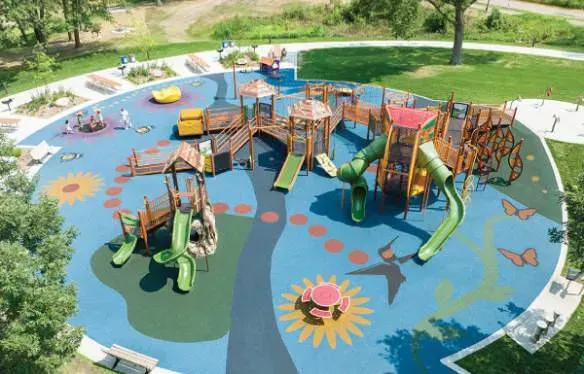
Building a playground in Arizona isn't like putting one up in, say, Seattle. Here, the sun isn't just bright; it's a force of nature determined to bake everything it touches. Temperatures routinely soar well over 100 degrees Fahrenheit for months on end. This kind of sustained heat isn't just uncomfortable; it actively breaks down materials. Think about how quickly plastic left outside warps or fades – now imagine that on a slide a kid is going to use. Metal components can become dangerously hot, causing burns in seconds. Wood splinters and dries out at an alarming rate. You can't just pick standard equipment and hope for the best; you need materials engineered to withstand this constant thermal assault.
Material Breakdown and Safety Risks
That intense UV radiation and dry heat don't just make things look bad; they compromise structural integrity. Plastic components become brittle and crack. Fasteners loosen as materials expand and contract. Wood rots or checks severely, creating pinch points and splinters. We're talking about equipment failure, and on a playground, that translates directly to injured kids. A slide that cracks mid-descent or a swing chain that snaps because the heat weakened the metal isn't just a maintenance headache; it's a liability nightmare. Choosing materials specifically rated for high UV and extreme temperature exposure isn't optional; it's a fundamental safety requirement.
Common Material Issues in Arizona Heat:
- Plastic fading, warping, and becoming brittle.
- Metal heating to dangerous temperatures, causing burns.
- Wood checking, splintering, and accelerated rot.
- Fastener loosening due to thermal expansion/contraction.
- Rubber surfacing degrading, cracking, and losing impact absorption.
Water Scarcity and Landscape Choices
Arizona's climate isn't just hot; it's dry. Water is a precious resource. This impacts playground design too, particularly when it comes to surfacing and landscaping. Lush, green grass sounds nice, but it's impractical and unsustainable due to the water needed. This pushes designers towards alternative surfacing like engineered wood fiber, rubber mulch, or poured-in-place rubber. Each has its own pros and cons in the heat and with minimal water, affecting durability, maintenance, and safety performance. Even the surrounding landscape needs careful consideration to avoid thorny plants or gravel that kids can kick into the play area, all while minimizing water use.
Selecting Durable Commercial Playground Equipment Arizona
Selecting Durable Commercial Playground Equipment Arizona
Material Matters: Choosing Heat-Resistant Components
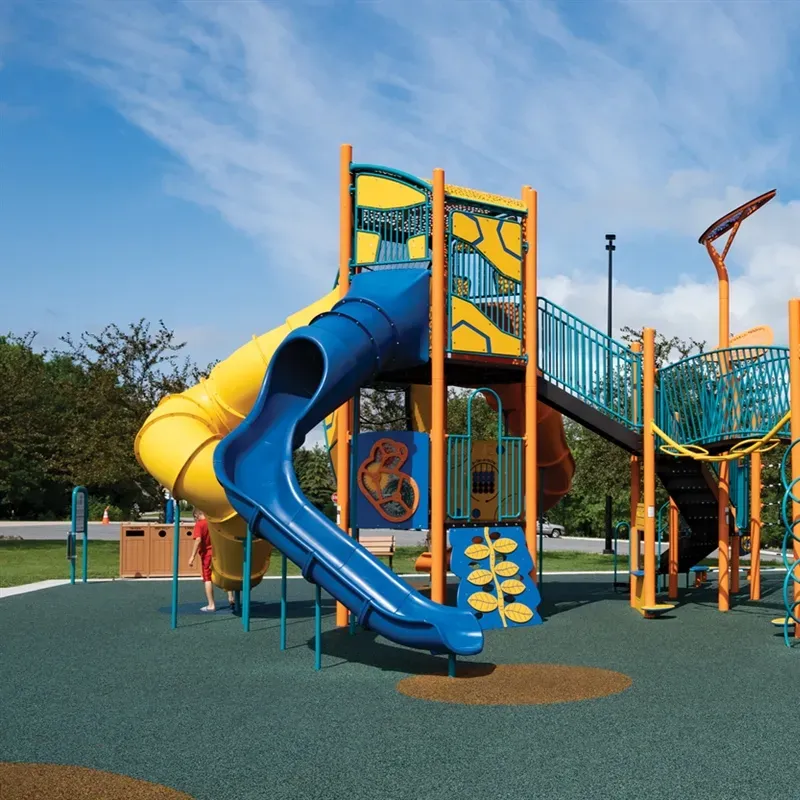
Alright, let's talk materials. If you just pick the cheapest plastic slide you find online, you're essentially planning for failure within a year. The sun here is brutal, remember? You need high-density polyethylene (HDPE) plastics specifically formulated with UV stabilizers. Not just any plastic will do. Steel components should be powder-coated or galvanized to prevent rust and reduce heat absorption – though they'll still get hot, so placement matters. Fasteners need to be commercial-grade stainless steel, resistant to corrosion from sweat, sunscreen, and whatever else kids smear on them, plus they need to handle the constant expansion and contraction without loosening up.
Beyond the Brochure: Evaluating Manufacturer Quality and Warranties
Anyone can slap together some metal and plastic and call it a playground. When you're investing in commercial playground equipment Arizona needs, you're buying durability and safety. This means looking past shiny pictures in a catalog. Research the manufacturer. How long have they been around? Do they specialize in equipment for harsh climates? What kind of testing do they do? A strong warranty isn't just a nice-to-have; it's a manufacturer standing behind their product, especially concerning UV and heat damage. If they only offer a one-year warranty on plastics, run the other way. You need companies confident their gear won't disintegrate under the desert sun.
Key Material Considerations for Arizona Playgrounds:
- UV-Stabilized HDPE Plastics (minimum commercial grade).
- Powder-Coated or Galvanized Steel.
- Stainless Steel Fasteners.
- Heat-Resistant Decking Surfaces (avoid solid metal or dark colors).
- Engineered Wood Fiber or High-Quality Poured-in-Place Rubber Surfacing.
Navigating Safety Standards for Playgrounds in Arizona
Navigating Safety Standards for Playgrounds in Arizona
Understanding the Core Safety Standards: ASTM and CPSC
Alright, so you've picked materials that won't melt into a puddle under the Arizona sun. Good start. But durability is only half the battle. The real heavy lifting comes with safety standards. We're primarily talking about ASTM International (specifically F1487 for public use playgrounds) and the U.S. Consumer Product Safety Commission (CPSC) guidelines. These aren't just suggestions; they are the bedrock of safe commercial playground equipment Arizona installs. They cover everything from fall heights and required surfacing depth to spacing between components and entanglement hazards. Ignoring these is like building a bridge without checking the blueprints – a guaranteed disaster waiting to happen. You need to know these standards cold or work with someone who does.
Arizona's Unique Challenges within National Guidelines
While ASTM and CPSC provide the framework, Arizona throws in some curveballs. The intense heat affects everything. Poured-in-place rubber surfacing, for instance, needs specific formulations to maintain its critical fall height attenuation properties under extreme temperatures. Wood fiber mulch dries out rapidly, requiring regular raking and topping off to ensure adequate depth. Metal components might meet spacing standards, but their surface temperature can cause contact burns, a hazard specifically amplified by Arizona's climate that requires mitigation strategies beyond just the standard guidelines. You have to apply the national rules with an understanding of the local environment.
Key Safety Considerations Amplified in Arizona:
- Surface temperatures of slides, decks, and metal components.
- Maintaining adequate surfacing depth (especially wood fiber) in dry conditions.
- UV degradation of plastics affecting structural integrity over time.
- Expansion and contraction of materials leading to potential pinch points or gaps.
- Ensuring proper shade structures to mitigate heat exposure.
Ongoing Inspections and Maintaining Compliance
Installing compliant commercial playground equipment Arizona is just the beginning. Safety isn't a one-time checkmark; it's a continuous process. Regular inspections are non-negotiable. This means daily visual checks for obvious hazards (like broken glass or vandalism), monthly checks for wear and tear on components, and annual comprehensive inspections by a certified playground safety inspector (CPSI). Arizona's climate accelerates wear, so what might be a minor issue elsewhere can quickly become a major failure here. Keeping detailed records of inspections and maintenance is crucial, not just for safety, but for liability protection down the road.
Finding the Right Partner for Commercial Playground Equipment Arizona
Finding the Right Partner for Commercial Playground Equipment Arizona
Why Local Expertise Isn't Optional
Look, you wouldn't hire a polar bear to manage a sauna, right? Same logic applies to commercial playground equipment Arizona projects. You need a partner who actually *gets* what building in the desert means. Someone based locally or with a proven track record specifically in this kind of climate. They've seen firsthand how the sun bakes surfaces, how the dry air affects wood fibers, and which materials just fail miserably after a couple of summers. They know the local permitting quirks and, crucially, they likely have relationships with manufacturers who produce gear suitable for extreme heat. Trying to use an out-of-state vendor who primarily deals with milder climates? That's a gamble you probably shouldn't take with public safety and your budget.
Finding a partner isn't just about who has the prettiest catalog. It's about finding someone who can look at your site, consider the sun exposure, the potential for flash flooding (yes, even in the desert), and recommend equipment and surfacing that won't turn into a costly problem down the line. They should be asking you tough questions about usage, budget, and maintenance capacity, not just pushing their most expensive swingset.
Questions to Ask Potential Playground Partners:
- How many commercial playgrounds have you installed specifically in Arizona or similar climates?
- Can you provide references for projects completed within the last 3-5 years in this region?
- What specific materials do you recommend for decks, slides, and structural components to withstand high UV and heat?
- Do you have a Certified Playground Safety Inspector (CPSI) on staff?
- How do you address the issue of surface temperatures on equipment in direct sun?
Evaluating Their Track Record and Services
So, you've narrowed it down to a few potential partners. Now what? Dig into their track record. Ask for a portfolio of their work, specifically projects in Arizona. Go visit a few of those sites if possible. How does the equipment look after a few years? Are there signs of premature wear, fading, or material breakdown? Talk to the owners or managers of those facilities – were they happy with the installation process? How has the equipment held up? A good partner isn't just a sales team; they offer design assistance, help navigate the permitting process, handle the installation professionally, and ideally, offer ongoing inspection or maintenance services. They should be transparent about costs, timelines, and potential challenges unique to your site and the Arizona environment.
Finding the right expert for commercial playground equipment Arizona needs means finding someone who sees the heat and sun as design challenges, not just annoyances. They should be talking about things like strategically placed shade structures, using lighter colors to reduce heat absorption, and ensuring proper ventilation under decks. If they gloss over the climate challenges, that's a red flag waving in the desert breeze.
Building Lasting Play in the Arizona Heat
Putting in commercial playground equipment in Arizona isn't a set-it-and-forget-it deal. The sun doesn't take vacations, and cheap equipment turns into landfill material pretty fast out here. You've got to think about materials that won't melt, fade into oblivion, or become safety hazards under constant UV assault. Navigating the safety rules isn't optional; it's the bare minimum to avoid headaches later. Ultimately, success means partnering with folks who understand the unique challenges of building play spaces in the desert – people who know that "sun-resistant" isn't just marketing fluff, it's a requirement. Do your homework, pick the right gear, and maybe, just maybe, that playground will last long enough for the kids who use it today to bring their own kids someday. Or at least until the next triple-digit heatwave.