Table of Contents
Ever driven past a sad, empty park with rusty swings and a slide that looks like it might give you tetanus? Or maybe you've seen a vibrant, packed playground where kids are running, climbing, and genuinely having a blast? The difference often comes down to the quality and design of the commercial playground equipment. It's not just about tossing some metal and plastic into a patch of grass. Creating a space where kids thrive requires careful planning, safety considerations, and equipment that actually engages them.
Why Commercial Playground Equipment Matters for Communities
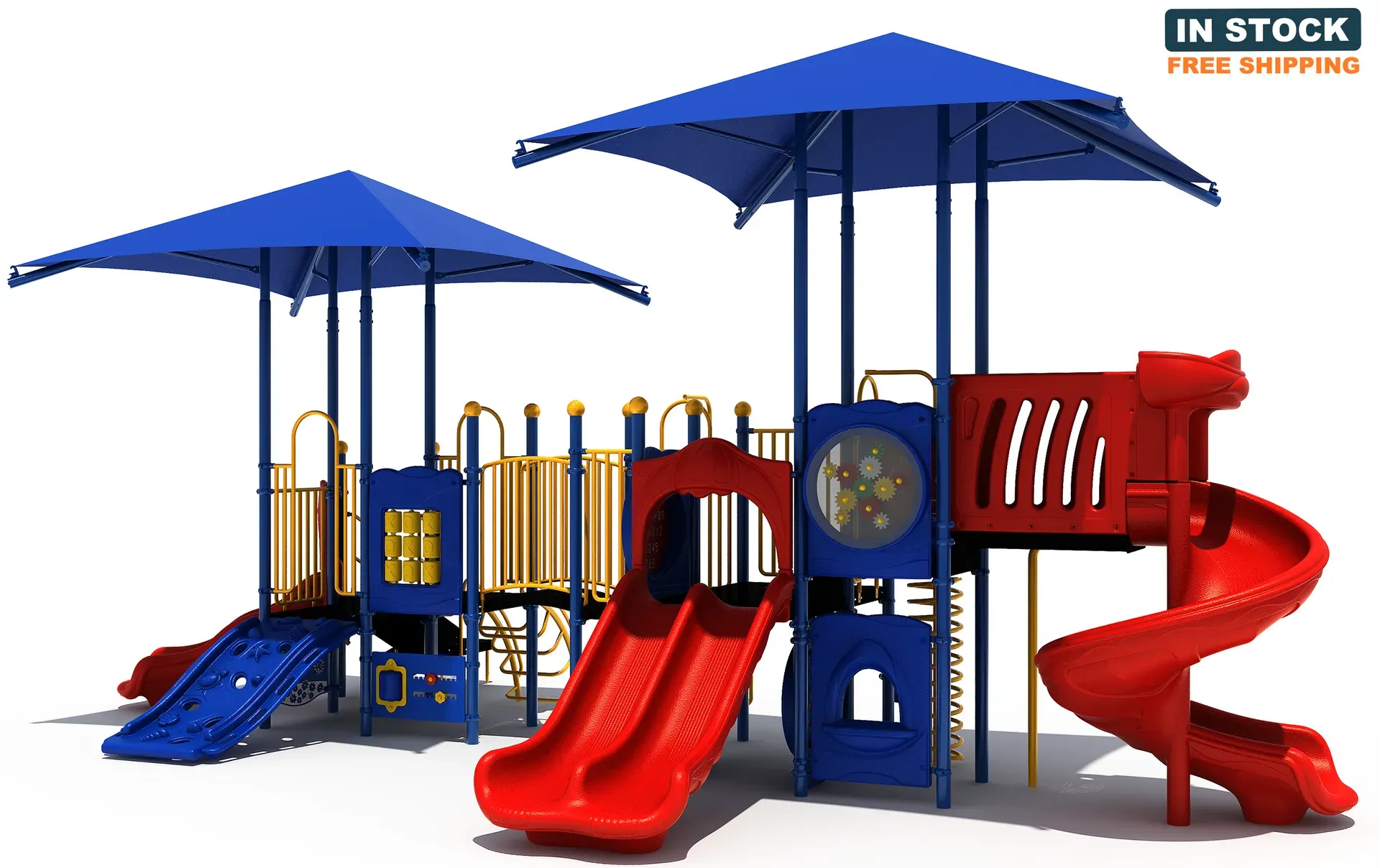
Why Commercial Playground Equipment Matters for Communities
More Than Just Swings: The Foundation of Play
Think about it. What's one of the first things kids look for in a new neighborhood or when visiting a park? The playground. It's a fundamental need for children to run, climb, slide, and explore. Commercial playground equipment isn't just a luxury; it's the physical embodiment of that opportunity for structured, yet free, play. It provides a dedicated, relatively safe space away from streets and screens where kids can be kids. Without well-designed, durable commercial playground equipment, communities miss a crucial chance to support childhood development right where people live.
Building Stronger Kids: Physical, Social, and Mental Gains
so kids like playgrounds. Big surprise. But the impact goes way deeper than just burning off energy. Quality commercial playground equipment directly contributes to physical literacy – developing balance, coordination, and strength. Beyond the physical, these spaces are social melting pots. Kids learn to share, negotiate, resolve conflicts (usually over who gets the swing next), and make friends. They also use their imaginations, problem-solving skills, and spatial awareness navigating structures. It's a hands-on classroom disguised as fun, all thanks to accessible commercial playground equipment.
Ever notice how quickly kids figure out how to climb something tricky or invent a whole new game on a structure? That's the magic at work.
- Boosts physical fitness and motor skills.
- Develops crucial social interaction abilities.
- Enhances cognitive functions like problem-solving and imagination.
- Provides a safe environment for exploration.
Connecting People: Playgrounds as Community Hubs
Playgrounds aren't just for the little ones. They become de facto community hubs. Parents chat on benches while keeping an eye on their kids. Neighbors run into each other. Teens might use nearby courts or fields. A well-maintained playground with quality commercial playground equipment draws families out of their homes and into shared public spaces. This interaction builds stronger neighborhood bonds and fosters a sense of belonging. It's an investment in social infrastructure, not just steel and plastic.
Think about your own town. Where do families gather casually? Often, it's the local park with the decent playground. That's no accident.
Exploring GameTime's Range of Commercial Playground Equipment
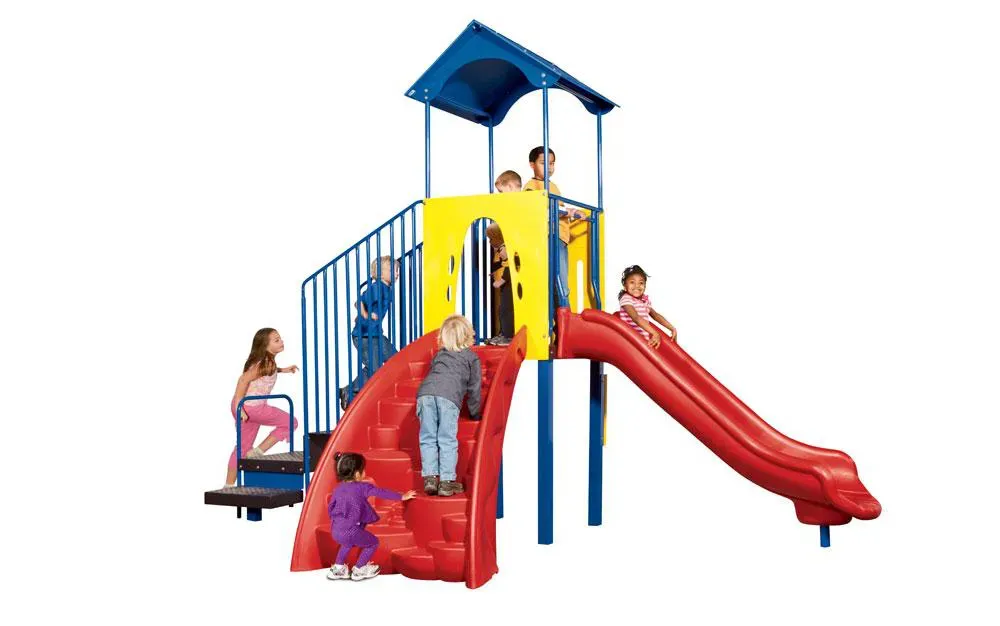
Exploring GameTime's Range of Commercial Playground Equipment
A Legacy Built on Play Structures
Alright, so you've got the space, you know why a playground is essential, but where do you even start with the gear? If you've spent any time looking into commercial playground equipment, GameTime's name pops up. They've been around since 1929, which is practically ancient history in the play world. That kind of staying power isn't accidental. It comes from decades of figuring out what works, what lasts, and what keeps kids coming back. Their range of commercial playground equipment covers pretty much everything you can imagine needing for a public park, schoolyard, or community center.
Beyond the Basic Slide and Swing
When we talk about Exploring GameTime's Range of Commercial Playground Equipment, we're not just talking about your standard swing set and a straight slide. While they certainly have those, they also offer complex play systems that challenge kids physically and mentally. Think elaborate climbers, balancing obstacles, and structures designed for specific age groups, from toddlers needing gentle slopes to older kids wanting height and challenge. They put a lot of stock in durability too, because nobody wants playground equipment that falls apart after a year or two of enthusiastic use. It's built tough, designed to handle everything from scorching sun to freezing snow, and the constant barrage of happy, destructive children.
They break down their offerings into sensible categories:
- Large Play Systems for multiple users
- Freestanding Components like spinners and climbers
- Swings and Ziplines for that thrilling motion
- Early Childhood specific designs
- Fitness and Obstacle Course elements
- Accessible equipment for all abilities
Beyond the Structure: Surfacing and Designing Inclusive Play Spaces
Beyond the Structure: Surfacing and Designing Inclusive Play Spaces
More Than Just Dirt: Why Surface Choice Matters
so you've picked out some killer climbers and slides. Awesome. But if you just plop them down on hard-packed dirt or, heaven forbid, concrete, you've missed a massive piece of the puzzle. The ground under and around the equipment is absolutely critical. It's not just about keeping knees from getting scraped, though that's part of it. Proper surfacing is the first line of defense against serious fall injuries. Kids fall. A lot. The surface needs to absorb impact effectively from the maximum fall height of the equipment. Get this wrong, and you're not just building a playground, you're building a liability.
Beyond safety, the surface impacts accessibility. Can a kid in a wheelchair easily navigate the play space? Can someone with a walker or cane comfortably supervise? Loose-fill materials like wood chips or sand, while sometimes cheaper upfront, can be a nightmare for mobility devices and require constant maintenance to meet safety depth standards. Pour-in-place rubber or engineered wood fiber (EWF) offer better accessibility and impact attenuation, though they come with their own costs and maintenance needs. It’s a trade-off, but one you absolutely have to get right.
Play for Everyone: Crafting Truly Inclusive Spaces
Building an inclusive playground means thinking beyond just meeting minimum accessibility standards. It means designing a space where kids of all abilities and backgrounds can play together, side-by-side. This isn't about having one sad, separate piece of equipment tucked away in a corner. It's about integrating accessible features throughout the entire design. Think about sensory play elements for kids with autism, ramps and transfer stations so kids using mobility devices can access elevated platforms, or communication boards for non-verbal children.
An inclusive design considers different play preferences too. Some kids love spinning, others prefer quiet nooks. Some crave high-energy climbing, others enjoy imaginative play at ground level. A truly inclusive space offers a variety of experiences so every child can find something that excites them and allows them to interact with their peers. It’s about creating opportunities for parallel play, cooperative play, and everything in between, ensuring no one feels left out or unable to participate.
Common Playground Surfacing Types: Pros and Cons
Type | Pros | Cons |
|---|---|---|
Pour-in-Place Rubber | Excellent impact absorption, highly accessible, low maintenance (initially) | Expensive upfront, can get hot, repairs can be visible |
Engineered Wood Fiber (EWF) | Good impact absorption, relatively affordable, natural look | Requires regular raking/leveling, can be less accessible when wet or compacted, needs periodic top-ups |
Rubber Tiles | Consistent impact absorption, good accessibility, durable | Can lift or separate over time, initial cost can be high, limited color options initially |
Sand/Wood Chips | Low initial cost, good drainage (sand) | Poor accessibility, requires constant maintenance for depth, can hide hazards, not ideal for impact absorption from high falls without significant depth |
Innovation in Commercial Playground Equipment: GameTime's Latest Offerings
Innovation in Commercial Playground Equipment: GameTime's Latest Offerings
Pushing the Boundaries of Play Design
so we've covered why playgrounds matter and looked at the basics. But the world of commercial playground equipment isn't standing still. Manufacturers are constantly tinkering, trying to figure out new ways to challenge kids, make play more exciting, and frankly, make structures last even longer against the relentless energy of children. GameTime, with their long history, is one of the players trying to push the envelope. They aren't just churning out the same old stuff; they're investing in research and development, often teaming up with experts in child development and play behavior.
This focus on innovation means we're seeing more complex climbing structures, dynamic motion pieces that go beyond the simple swing, and integrated elements that blend physical challenge with imaginative play. It’s about creating novel experiences, not just repeating what’s been done before. They seem to understand that kids get bored, and keeping a playground fresh and engaging requires new ideas.
New Collections and Accessible Adventures
GameTime recently rolled out some new lines that show where commercial playground equipment is heading. Take their Aventus collection, for instance. It’s designed with older kids and even adults in mind, incorporating challenging ropes course-style elements and structures that promote fitness alongside fun. This acknowledges that play isn't just for the youngest set and that intergenerational play spaces are becoming more important.
Another key area of focus is truly accessible play. Beyond just meeting ADA standards, companies like GameTime are developing equipment designed for inclusive interaction. The EveryBody Plays Slide and Go, mentioned in some materials, sounds like an example of this – aiming to make sliding accessible to more kids. It’s about creating integrated play experiences, not just adding a single accessible piece off to the side. This is where the rubber meets the road in making playgrounds welcoming for everyone.
What kind of new play elements are catching your eye?
- Rope-based climbing structures
- Dynamic spinning and motion equipment
- Integrated sensory play panels
- Challenging obstacle course features
- Designs promoting intergenerational use
Building for the Future of Play
Looking ahead, the trend in Innovation in Commercial Playground Equipment: GameTime's Latest Offerings seems to be towards smarter design and greater inclusivity. It's not just about the biggest or tallest structure, but about how the entire play space functions and who it serves. Companies are considering how different pieces of equipment interact and how the layout encourages various types of play – from solitary exploration to group activities. Durability remains paramount, of course, but the conversation has definitely shifted towards optimizing the play experience itself.
GameTime highlights using high-quality materials and offering strong warranties, which is essential when you're making a significant community investment. Ultimately, the goal is to build spaces that aren't just fun today, but remain engaging and safe for years to come, adapting (or being adaptable) to the evolving needs of the kids and families who use them. It’s about creating active outdoor spaces that contribute to a healthier, happier community.
Making the Case for Better Play Spaces
So, we've looked at the guts of it – why slapping down some commercial playground equipment isn't enough, the sheer variety out there, the non-negotiable necessity of proper surfacing, and how companies are trying to push the envelope with new designs. Building a great playground isn't cheap, and it's definitely not simple. It requires understanding who will use it, what keeps them coming back, and ensuring everyone goes home in one piece. The payoff, though, is a community hub, a place where kids actually want to be, and maybe, just maybe, a slight decrease in screen time. It's an investment, sure, but one that pays dividends in scraped knees, laughter, and the quiet satisfaction of getting it right.