Table of Contents
Ever watched kids of different ages try to play together at the park? Sometimes it's a blast, but other times, the little ones get left behind, or the big kids are bored. That's where the idea of "eco-friendly playground equipment for mixed-age groups" comes in. It's about creating spaces where everyone, from toddlers to tweens, can have fun while being kind to our planet. Forget those rusty metal structures that get too hot in the sun. We’re talking about playgrounds made with sustainable stuff, designed to challenge and entertain kids of all ages. We will explore why this matters, what kind of equipment works best for various age ranges, and how you can help make these amazing play spaces a reality. Get ready to see how we can build playgrounds that are not only fun, but also good for kids and the Earth.
Why EcoFriendly Playground Equipment Matters for MixedAge Groups
Why EcoFriendly Playground Equipment Matters for MixedAge Groups
The Environmental Impact
Okay, so why should we even care about "eco-friendly" stuff on the playground? Well, traditional playground equipment is often made from materials that aren’t exactly great for the planet. Think about all that plastic and metal that ends up in landfills. It's not just about being "green" for the sake of it; it's about teaching kids to respect nature and make smart choices. Using recycled materials, like plastics from milk jugs or reclaimed wood, reduces waste and saves energy, which is a win for everyone. Plus, when kids see that their playground is made from these materials, they start to understand that we can reuse things and not just throw them away. That’s a pretty powerful lesson to learn while climbing a slide!
Health and Safety Benefits
Beyond the environmental benefits, eco-friendly equipment can actually be safer for kids. Materials like sustainably sourced wood are often less likely to overheat in the sun than metal, which means fewer burns on hot summer days. Recycled rubber surfacing is softer than concrete or asphalt, reducing the risk of injuries from falls. Plus, when we use natural materials, we're often avoiding harsh chemicals and toxins that can be harmful. It’s like giving kids a playground that's both fun and good for their bodies. And let's be honest, a playground that's safe is a playground that parents can feel good about.
Fostering Inclusive Play
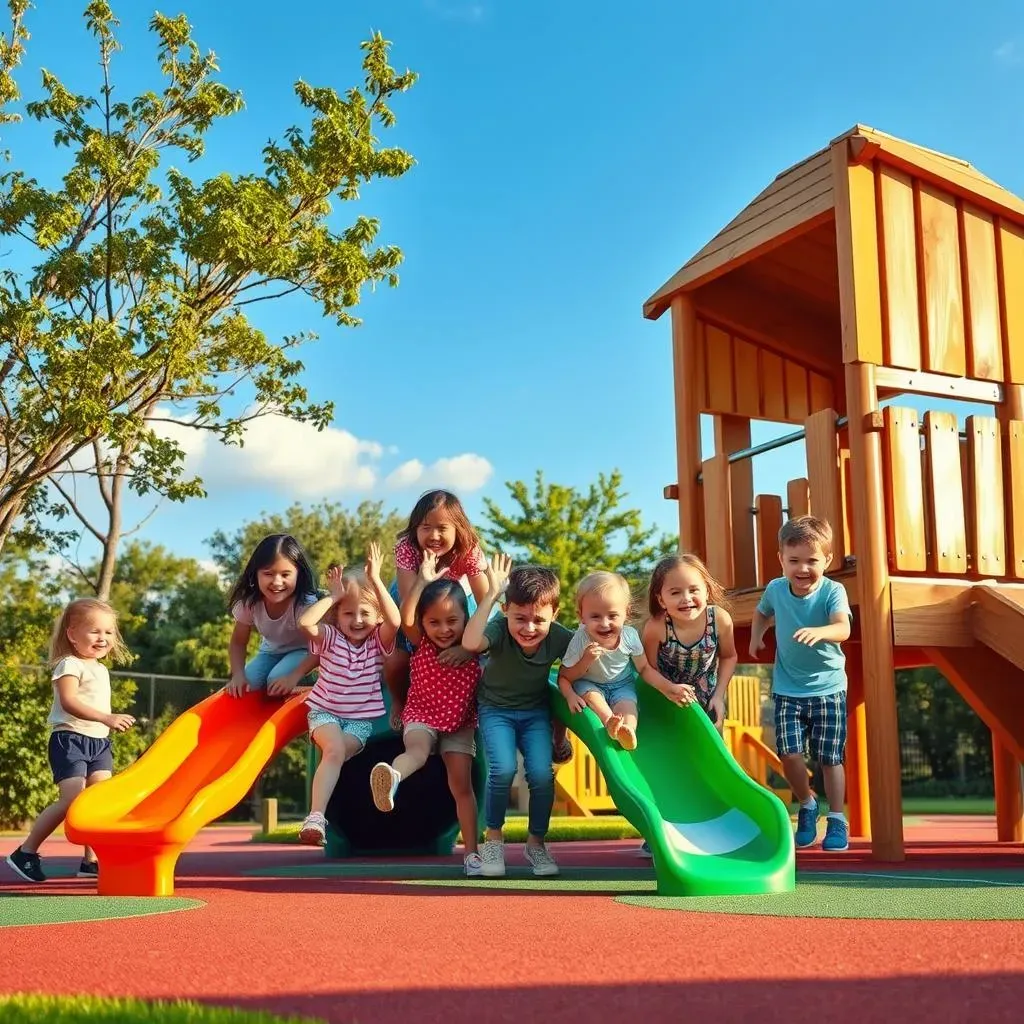
Now, let’s talk about the “mixed-age groups” part. When playgrounds are designed with everyone in mind, it’s easier for siblings of different ages to play together. Imagine a playground where a toddler can safely explore a low climbing structure while their older sibling tackles a more challenging one nearby. This kind of design encourages interaction and cooperation, not to mention reduces the chance of boredom or exclusion. Eco-friendly materials can also be used to create sensory-rich environments, which are great for kids with special needs, making sure that everyone can enjoy the space. It’s about creating a playground that’s not just a place to play, but a place where everyone feels welcome.
Benefit | Why it Matters |
|---|---|
Reduced Environmental Impact | Uses recycled and sustainable materials, minimizing waste and energy consumption. |
Enhanced Safety | Materials like wood and recycled rubber are safer for kids, reducing the risk of burns and injuries. |
Inclusive Play | Creates a space where children of all ages and abilities can play together, fostering cooperation and interaction. |
Choosing the Right EcoFriendly Equipment for Different Age Groups
Choosing the Right EcoFriendly Equipment for Different Age Groups
Toddler-Friendly Fun
When it comes to the little ones, safety and simplicity are key. We're talking about toddlers, so think low to the ground and easy to grasp. Instead of towering structures, focus on things like small, stable slides made from recycled plastic or gently sloping ramps crafted from sustainably sourced wood. Look for play panels with tactile elements, like wooden beads or fabric patches, that can stimulate their senses. Avoid anything with sharp edges or places where little fingers or toes might get stuck. Remember, the goal is to build confidence and encourage exploration, not create a tiny obstacle course. We want them to feel like they're on an adventure, not in a danger zone. Think of it like a mini-forest, with gentle slopes and soft textures.
Also, consider adding features like sandboxes with recycled plastic edges, or small tunnels made from natural materials that are easy to crawl through. These elements offer open-ended play opportunities, encouraging creativity and social interaction. It's not just about physical development; it's about sparking their imaginations and making them feel comfortable and safe in their environment. The best toddler playgrounds are like a big, friendly hug, inviting them to explore at their own pace.
Challenges for Older Kids
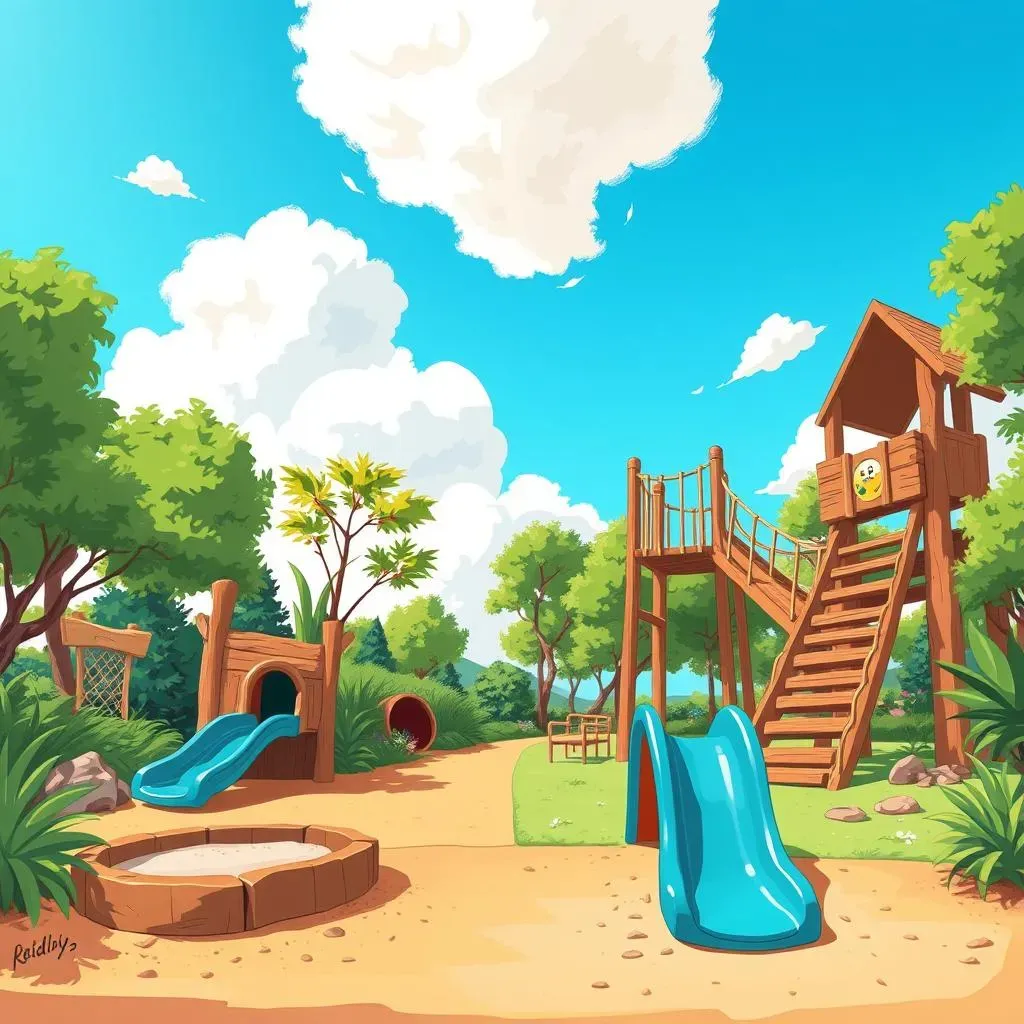
Now, let’s talk about the older kids, the ones who might scoff at a baby slide. They need challenges that push them physically and mentally. Think climbing structures made from reclaimed wood or recycled metal, with varying levels of difficulty. Rope bridges and cargo nets can test their balance and coordination, while taller slides and fireman's poles offer a thrill. We want to engage their sense of adventure, not bore them with the same old stuff. We can also incorporate elements of natural play, like boulders for climbing or logs for balancing, which not only add an element of fun but also connect them to nature.
For the older set, consider adding more complex elements that encourage strategic thinking and teamwork. Think of a multi-tiered climbing structure that requires planning and problem-solving to navigate, or a series of balance beams that demand focus and coordination. This equipment should be sturdy and durable, capable of withstanding the more vigorous play of older children. The idea is to give them a place where they can test their limits, build strength, and feel a sense of accomplishment, all while enjoying the great outdoors. It’s like turning the playground into their own personal training ground.
Age Group | Equipment Type | Key Features |
|---|---|---|
Toddlers (1-3 years) | Low slides, ramps, play panels, sandboxes, tunnels | Safe, simple, tactile, encourages exploration |
Older Kids (6-12 years) | Climbing structures, rope bridges, cargo nets, taller slides, natural elements | Challenging, varied, promotes physical and mental development |
Creating an Engaging and Sustainable Playground for All
Creating an Engaging and Sustainable Playground for All
Incorporating Natural Elements
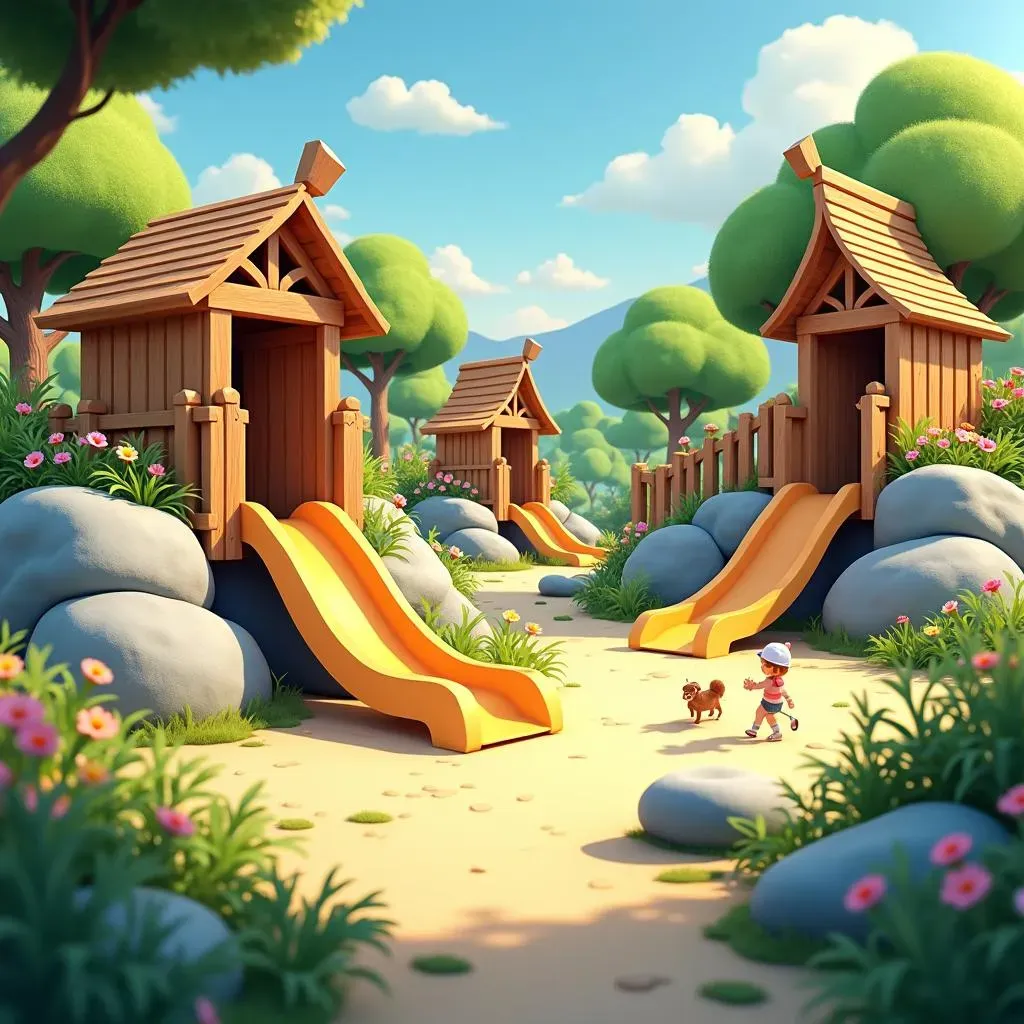
Let’s face it, kids love nature. So why not bring it into the playground? Instead of just relying on manufactured equipment, think about incorporating natural elements like logs, boulders, and sand. These aren't just pretty to look at; they encourage kids to interact with their environment in different ways. Logs can be used for balancing, boulders for climbing, and sand for digging and creating. Adding plants and trees can also provide shade and a sense of calm, making the playground a more inviting place for everyone. It's about creating a space that feels less like a plastic jungle and more like a natural adventure zone.
Consider also adding water features, like a small stream or a hand pump, which can provide sensory play opportunities and encourage imaginative play. These elements not only enhance the aesthetic appeal of the playground, but they also help kids connect with the natural world, fostering a sense of environmental stewardship. By bringing nature into the playground, we’re not just creating a play space; we’re creating a learning environment.
Designing for Accessibility and Inclusivity
A truly great playground is one that everyone can enjoy, regardless of their abilities. This means thinking about accessibility from the get-go. Ramps should be included alongside stairs for kids who use wheelchairs or have mobility challenges. Sensory elements, like textured surfaces and musical instruments, can be added to engage kids with different sensory needs. Consider also using color contrasts to help kids with visual impairments navigate the space more easily. The goal is to create a playground that doesn’t exclude anyone, a place where all kids can play together and have fun.
Furthermore, inclusive design goes beyond just physical accessibility. It's about creating a space that’s welcoming and inviting for all kids, regardless of their background or abilities. Consider incorporating play elements that encourage social interaction and cooperation, like group swings or collaborative building activities. The idea is to foster a sense of community and belonging, making the playground a place where everyone feels valued and included. It’s about creating a space that celebrates diversity and promotes understanding.
Ensuring Long-Term Sustainability
Building an eco-friendly playground isn’t just about the materials we use; it’s also about the long-term impact. That means choosing durable equipment that will last for years, reducing the need for frequent replacements. It also means thinking about maintenance and repair. Opt for materials that are easy to clean and maintain, and consider incorporating features that can be easily repaired or replaced. It's about making smart choices that reduce the overall environmental footprint of the playground.
Additionally, involve the community in the design and maintenance of the playground. This not only fosters a sense of ownership and pride, but it also ensures that the playground is well-cared for and used for years to come. Consider organizing regular clean-up days or community gardening projects to keep the playground looking its best. By taking a long-term approach to sustainability, we’re not just building a playground; we’re investing in the future of our community and our planet.
Element | Why it's Important |
|---|---|
Natural Materials | Encourages interaction with nature and provides sensory experiences |
Accessibility | Ensures everyone can enjoy the playground regardless of abilities |
Durability | Reduces the need for frequent replacements and minimizes environmental impact |