Table of Contents
Ever wondered how to bring the joy of play to rural areas while also caring for our planet? I have, and that's why I'm so excited to talk about eco-friendly playground equipment for rural areas. It's not just about swings and slides; it's about creating spaces where kids can have fun, learn, and connect with nature, all while being kind to the environment. We're facing a challenge: how do we make play areas that are durable, safe, and also sustainable? It’s a bit of a puzzle, but totally solvable. In this article, we'll explore why choosing eco-friendly options is crucial, what materials to look for, and how to design a playground that's both engaging and environmentally conscious. We’ll also consider the long-term effects of our decisions. Think of it as your guide to building awesome playgrounds that are good for kids and good for the Earth. So, let's jump in and discover how to make some magic happen in rural play spaces.
Why Choose EcoFriendly Playground Equipment?
Why Choose EcoFriendly Playground Equipment?
Healthier Kids, Healthier Planet
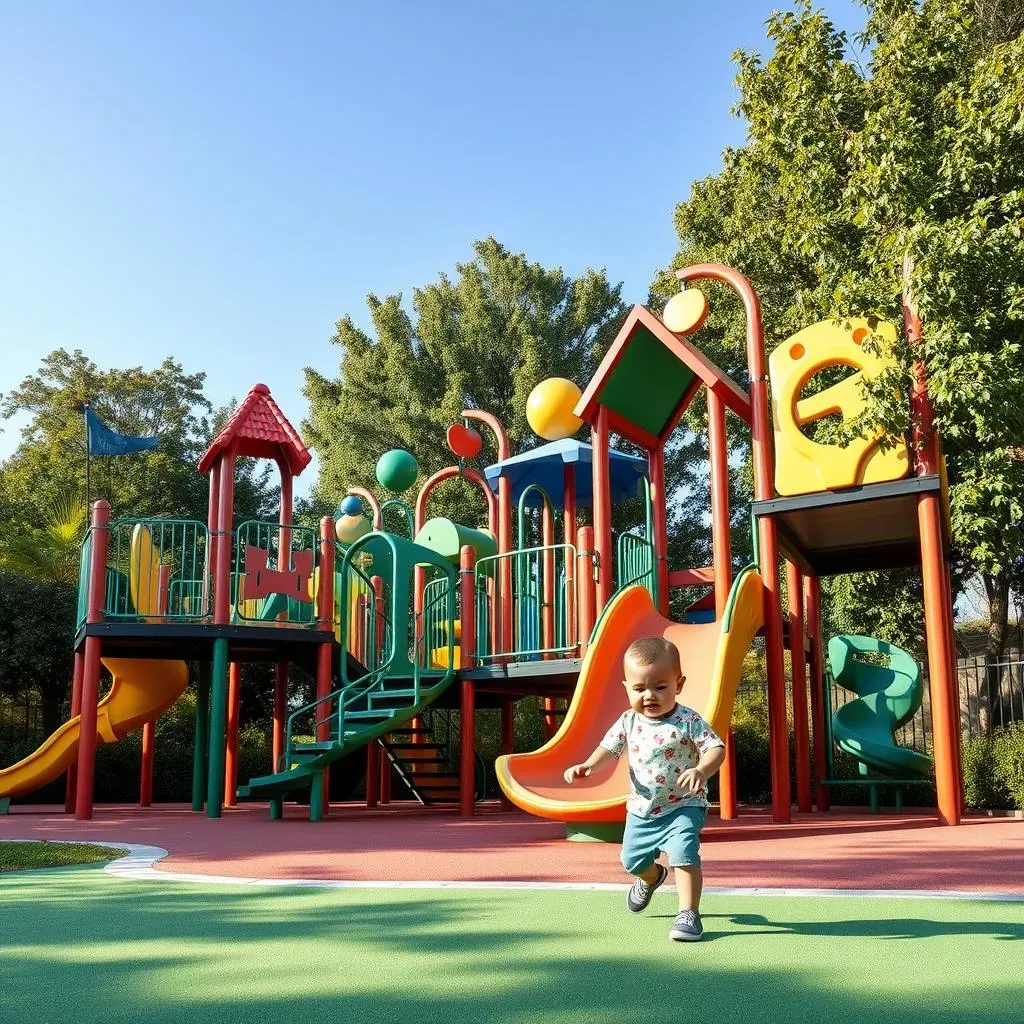
Let's be real, kids are like little sponges, they absorb everything around them. When we build playgrounds with eco-friendly materials, we're not just creating a space for fun, we're also making a statement about what we value. Think about it, traditional playgrounds are often made with plastics and treated wood that can leach harmful chemicals. These aren't things you want kids touching all day, every day. By choosing eco-friendly equipment, we're reducing their exposure to these toxins. It’s like giving them a breath of fresh air, even when they're in the middle of a game of tag. Plus, it's a great way to teach them about sustainability from a young age.
I remember when my niece asked why a tree was cut down. I explained how we need to be careful with resources and that some things we use, like playground equipment, can be made in a way that’s better for the planet. Her eyes lit up. It's these small conversations that can really make a difference, and having eco-friendly playgrounds helps start those conversations.
Durability and Longevity
Now, some might think that eco-friendly means less durable, but that's just not true. In many cases, eco-friendly materials are incredibly tough. For instance, recycled plastic lumber is super resistant to weather, pests, and rot. This means less maintenance and a longer lifespan for the playground. I've seen some old playgrounds that look like they've been through a war zone, with chipped paint, broken plastic, and rusty metal. Eco-friendly options often hold up much better, saving money and resources in the long run. It’s like investing in a good pair of boots, they might cost a bit more upfront, but they’ll last you for years. Think of it as a win-win, you get a great playground and you're not constantly fixing it.
Plus, many of these materials are made with kids in mind. They're designed to withstand all the climbing, jumping, and general mayhem that comes with playtime. So, not only are you being kind to the planet, but you're also building a playground that will last for generations of kids to enjoy.
Benefit | Traditional Playgrounds | Eco-Friendly Playgrounds |
|---|---|---|
Health Impact | Potential exposure to harmful chemicals | Reduced exposure to toxins |
Durability | Often require more maintenance and replacement | Weather and pest resistant; longer lifespan |
Environmental Impact | Contributes to waste and resource depletion | Uses recycled and renewable materials |
Selecting the Right EcoFriendly Playground Equipment for Rural Settings
Selecting the Right EcoFriendly Playground Equipment for Rural Settings
Assessing the Needs of Your Community
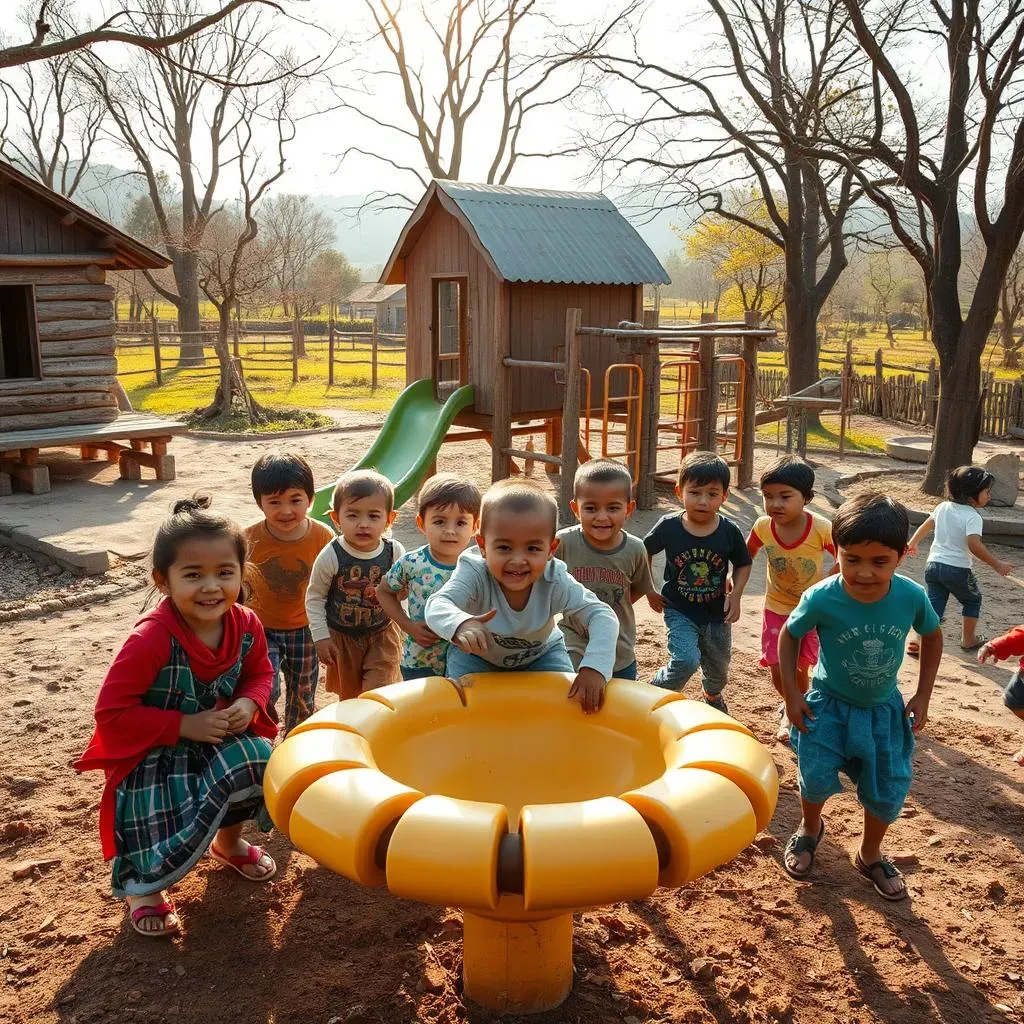
So, you're thinking about getting some eco-friendly playground equipment for your rural area, that's awesome. But before you start picking out swings and slides, let's take a step back. It’s super important to think about who will actually be using the playground. What are the ages of the children in your community? Are there kids with special needs? Do you have a group of toddlers or older kids who like to climb and explore? Knowing these things will help you choose equipment that is not only fun but also safe and inclusive for everyone. It’s kind of like buying shoes, you wouldn't buy a pair of high heels for a marathon runner, would you? Same goes for playground equipment, you need to match the equipment to the community's needs.
I’ve seen playgrounds where they clearly didn't think about the kids that use them. There was a super tall climbing structure at a park, but it was mostly used by older kids, and the little ones just looked up at it. It was a waste of space for them. It's always better to have equipment that caters to different age groups and abilities, making sure no one is left out of the fun.
Considering Space and Layout
Next up, let's talk about space. Rural areas often have more land than urban ones, but that doesn't mean we should waste it. How much space do you actually have for the playground? Is it a big open field, or a smaller, more confined area? The size and shape of the space will definitely influence the type of equipment you can choose. You need to think about the layout too. How will kids move through the play area? Are there pathways? What about seating for parents and caregivers? It's all about creating a space that's not just fun but also functional and safe.
I once helped design a playground in a small village. We had a big open space, so we were able to create different zones for different activities. We had a climbing area, a sandpit, and a swing set, all spaced out so that the kids could move around without bumping into each other. It made such a difference in how the kids used the space, it was amazing. So, make sure you think about the flow and layout of the playground, it’s key to maximizing the fun.
Consideration | Questions to Ask |
|---|---|
Community Needs | What are the ages and abilities of the children? Are there specific needs to address? |
Space and Layout | How much space is available? What is the shape of the area? How will kids move through the play area? |
Budget | What is the budget for the playground? Are there funding options available? |
Budget and Funding
Okay, let's talk about the not-so-fun part: money. Eco-friendly playground equipment can sometimes cost more upfront than traditional options, but hear me out. It's an investment, and it will pay off in the long run because of its durability and lower maintenance costs. Think of it like buying a good quality tool, you'll use it for years, and it'll save you headaches later. You should always set a realistic budget before you start, that way you don't get over your head. There are also funding options to explore, such as grants, local sponsorships, and community fundraising. Don’t be afraid to get creative and reach out for help. Sometimes the best projects are the ones that bring the community together.
I've seen communities organize bake sales, car washes, and even talent shows to raise funds for their playgrounds. It’s amazing how much people are willing to give when they know it's for a good cause. So, don't let the budget scare you. Start with a plan, research your options, and you might just be surprised at what you can achieve.
Materials Matter: Sustainable Choices for Rural Playgrounds
Materials Matter: Sustainable Choices for Rural Playgrounds
Recycled Plastic Lumber
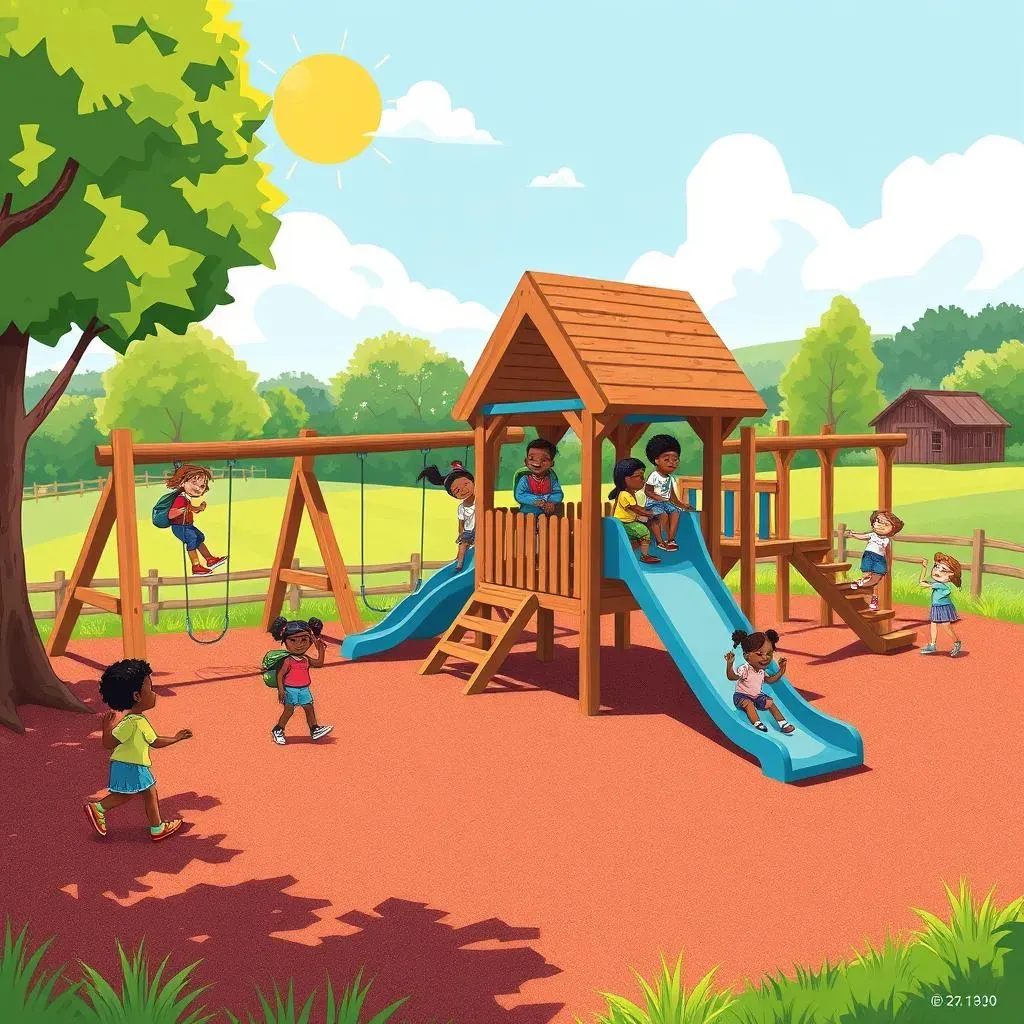
Alright, let's get into the nitty-gritty of materials, which is where the real eco-magic happens. First up, we've got recycled plastic lumber, and trust me, this stuff is incredible. Instead of ending up in landfills, old plastic bottles and containers get a new life as super durable playground equipment. It's like a superhero transformation for trash! The best part is that this material is basically indestructible. It doesn't rot, it won't splinter, and it can handle all kinds of weather, from scorching sun to freezing snow. It's also super low maintenance, which is a win for anyone who doesn't want to spend their weekends fixing up the playground. It's like that friend who's always there for you, reliable and sturdy.
I remember seeing a playground made entirely of recycled plastic lumber, and I couldn't believe how much it looked like real wood, without the downsides. It's a great option if you're looking for something that's both eco-friendly and long-lasting. Plus, it comes in different colors and styles, so you can get really creative with your playground design. It’s not just about being green; it's about having fun with it.
Responsibly Sourced Wood
Next, let's talk about wood. Yes, wood can be eco-friendly, but only if it's responsibly sourced. Look for wood that's certified by the Forest Stewardship Council (FSC). This means that the wood comes from forests that are managed in a sustainable way. They are making sure that trees are replanted and that wildlife habitats are protected. It's kind of like making sure that you're not just taking, but also giving back. When you choose FSC-certified wood, you're supporting responsible forestry practices, and you're also getting a material that's beautiful, strong, and natural. It's like bringing a little bit of the forest into your playground.
I always get a good feeling when I see wood being used in a playground. It has a natural warmth and texture that you just don't get with other materials. Plus, it's great for sensory play, letting kids connect with nature in a very real way. But it's important to always make sure that the wood is treated with non-toxic finishes, so it's safe for kids to touch and play on. This way, you can have the best of both worlds: beautiful, natural materials and a safe play environment.
Material | Pros | Cons |
|---|---|---|
Recycled Plastic Lumber | Durable, low maintenance, weather resistant, made from recycled materials | Can sometimes be more expensive upfront, may not have the natural look of wood |
Responsibly Sourced Wood (FSC-certified) | Natural aesthetic, strong, renewable resource, supports sustainable forestry | Requires treatment with non-toxic finishes, may require more maintenance than plastic |
Recycled Rubber | Safe, shock-absorbent, made from recycled tires, great for surfacing | Can get very hot in direct sun, may have a slight odor |
Recycled Rubber and Other Sustainable Options
We can't forget about surfacing! Recycled rubber is an amazing choice for playground flooring. It's made from old tires, which keeps them out of landfills, and it's super soft and bouncy, which is perfect for preventing injuries. It's like having a giant safety net under the playground. Plus, it comes in lots of different colors, so you can create fun patterns and designs. There are also other sustainable options to consider, like engineered wood fiber (EWF), which is made from chipped wood and provides a natural, soft surface. Or you could even use sand or gravel, depending on the playground's design and needs. The key is to choose materials that are both safe and environmentally friendly.
I’ve seen playgrounds with recycled rubber surfacing, and it's amazing how much of a difference it makes. It's not only safe for kids but also helps to reduce the impact of falls. Plus, it's easy to clean and maintain, which is great for everyone involved. So, when you're planning your eco-friendly playground, don't forget the importance of the surfacing materials. They're just as important as the equipment itself.
Designing Engaging and EcoConscious Play Spaces
Designing Engaging and EcoConscious Play Spaces
Incorporating Natural Elements
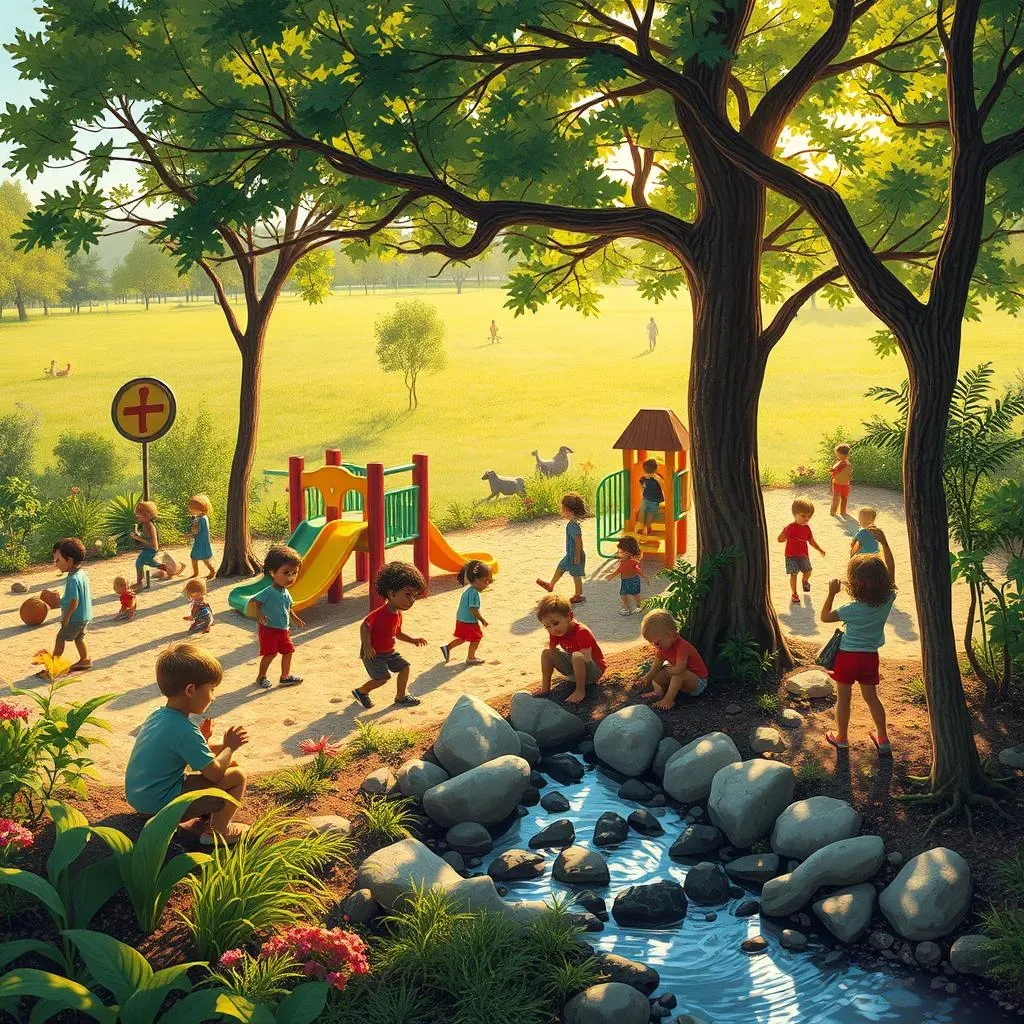
Okay, so we've got our materials sorted, now let's talk design. When we’re making an eco-friendly playground, it’s important to bring nature into the play area itself. Think about incorporating natural elements like trees, plants, and rocks. It's not just about making the playground look nice, it's about creating a space where kids can connect with the natural world. Imagine kids climbing on a log, hiding behind a bush, or digging in a sandpit. These simple activities can spark their curiosity and help them learn about the environment around them. It’s about creating a playground that feels like a natural extension of the landscape, not just a plastic box plopped down in the middle of a field. It gives kids a chance to explore and appreciate the beauty of the outdoors, right where they play.
I’ve seen a playground that had a small stream running through it, and it was amazing how much the kids loved it. They were splashing, building dams, and just having a blast exploring the water. It was a great example of how you can incorporate natural elements into a playground design, and how much fun it can be for the kids. It's all about thinking outside the box and using what nature has to offer.
Creating Diverse Play Opportunities
A great playground should offer a variety of play opportunities. It's not just about having swings and slides, it's about creating spaces that encourage different types of play. Think about adding elements that support sensory play, like sand and water features. Include structures for climbing and balancing, which help kids develop their motor skills. And don't forget about spaces for imaginative play, like a playhouse or a stage. The goal is to create a playground that appeals to all types of kids, with different interests and abilities. It's like creating a buffet of play, with something for everyone to enjoy. The more diverse the play opportunities, the more engaging the playground will be for everyone involved. You want to encourage kids to explore, discover, and create. It's not just about burning energy, it's about fostering their development and creativity.
I remember when I was a kid, the best playgrounds were the ones that had different areas to explore. We had a fort, a tire swing, and a big sandbox, and we could spend hours playing there. It was like having our own little adventure park. That's what we want to create for today's kids, a playground that’s not just fun, but also stimulating and engaging, and that makes them want to come back again and again.
Play Type | Examples |
|---|---|
Sensory Play | Sandpits, water features, textured surfaces |
Physical Play | Climbing structures, balance beams, swings |
Imaginative Play | Playhouses, stages, storytelling areas |
Social Play | Open spaces for group games, seating areas for interaction |
Ensuring Accessibility and Inclusivity
And let’s not forget about accessibility. A good playground is a playground for everyone. We need to make sure that children of all abilities can use and enjoy the space. This means including ramps, wide pathways, and equipment that’s designed for children with disabilities. It also means creating a playground that's welcoming and inclusive for kids of all backgrounds and cultures. It's about creating a space where everyone feels like they belong and can play together. I've seen playgrounds that are designed with inclusivity in mind, and it makes such a difference. Kids with disabilities are able to play alongside their peers, and that's a beautiful thing. It's about creating a playground that's not just fun but also fair and equitable. It's about making sure that everyone has the opportunity to play, learn, and grow together.
I believe that a truly great playground is one that brings a community together, and that means making sure everyone is included. When you design a playground with accessibility and inclusivity in mind, you're not just building a play space, you're building a community.
The LongTerm Impact of EcoFriendly Playgrounds
The LongTerm Impact of EcoFriendly Playgrounds
Promoting Environmental Stewardship
Hey, so let's think about the bigger picture. When we choose eco-friendly playground equipment, we're not just making a playground; we're also teaching kids about sustainability and environmental responsibility. It’s like planting a seed of awareness in their minds. They see that we’re choosing materials that are good for the planet, and they start to understand that their actions can make a difference. It’s not just about playing; it's about learning to be responsible citizens of the Earth. It's like showing them that even something as simple as a playground can have a positive impact on the environment. And that’s a lesson that will stick with them for life.
I've always believed that kids are our greatest hope for a better future. When we educate them about environmental issues from a young age, we empower them to make informed decisions. By having them play on eco-friendly playgrounds, we're not just teaching them, we're inspiring them to become the environmental stewards of tomorrow. It’s about creating a ripple effect of positive change that goes far beyond the playground itself.
Community Building and Social Cohesion
Now, let's talk about community. Eco-friendly playgrounds can be real hubs of activity in rural areas. They’re not just for kids; they're for families, caregivers, and neighbors. When a community comes together to create a playground, it strengthens social bonds and fosters a sense of pride. It's like building a shared space that everyone can enjoy. I’ve seen how playgrounds can bring people together, creating a feeling of belonging and connection. And when people feel connected, they’re more likely to take care of their community and each other. It’s about building not just a playground, but a social ecosystem.
I think that a well-designed playground is like a magnet, it draws people in and encourages interaction. It’s a place where parents can meet and chat, where kids can make friends, and where the community can come together to celebrate. It’s about creating a space that not only serves the needs of the kids but also the needs of the entire community. And that’s why it’s so important to invest in playgrounds that are not only eco-friendly but also welcoming and inclusive.
Long-Term Impact | Benefits |
|---|---|
Environmental Stewardship | Raises awareness, promotes responsible choices, inspires future environmental leaders |
Community Building | Strengthens social bonds, fosters a sense of belonging, enhances community pride |
Health and Well-being | Encourages physical activity, promotes mental and emotional health, reduces stress |
Health and Well-being
Finally, let's not forget about the importance of physical activity. Eco-friendly playgrounds can be designed to encourage kids to move, explore, and challenge themselves. It’s like creating a fun gym in the middle of nature. When kids are active, they’re not just building strong bodies; they’re also improving their mental and emotional well-being. I’ve seen how playing outdoors can reduce stress, boost creativity, and improve focus. It's about creating a space where kids can thrive, both physically and mentally. And that’s why it’s so important to provide them with opportunities to play in a natural and stimulating environment.
I truly believe that playgrounds are essential for a child’s development. They’re not just places to burn off energy; they’re places where kids learn, grow, and connect with the world around them. And when we create playgrounds that are both eco-friendly and engaging, we’re investing in the health and well-being of future generations. It's about creating a legacy of health, happiness, and environmental responsibility that will last for years to come.