Table of Contents
Ever wonder where all those plastic bottles and milk jugs go? Well, some of them are getting a super cool second life as part of awesome playground equipment! That's right, we're talking about eco-friendly playground equipment for schools. It's not just about slides and swings; it's about making smart choices for our planet and our kids. This article is your guide to understanding why this matters, what materials are best, and how schools can make the switch. We’ll also cover how this type of play can help the environment, and more importantly, make kids healthier and happier. So, get ready to explore the world of eco-friendly playgrounds and see how they can be a win-win for everyone!
Why EcoFriendly Playground Equipment Matters for Schools
Why EcoFriendly Playground Equipment Matters for Schools
Protecting Our Planet, One Playground at a Time
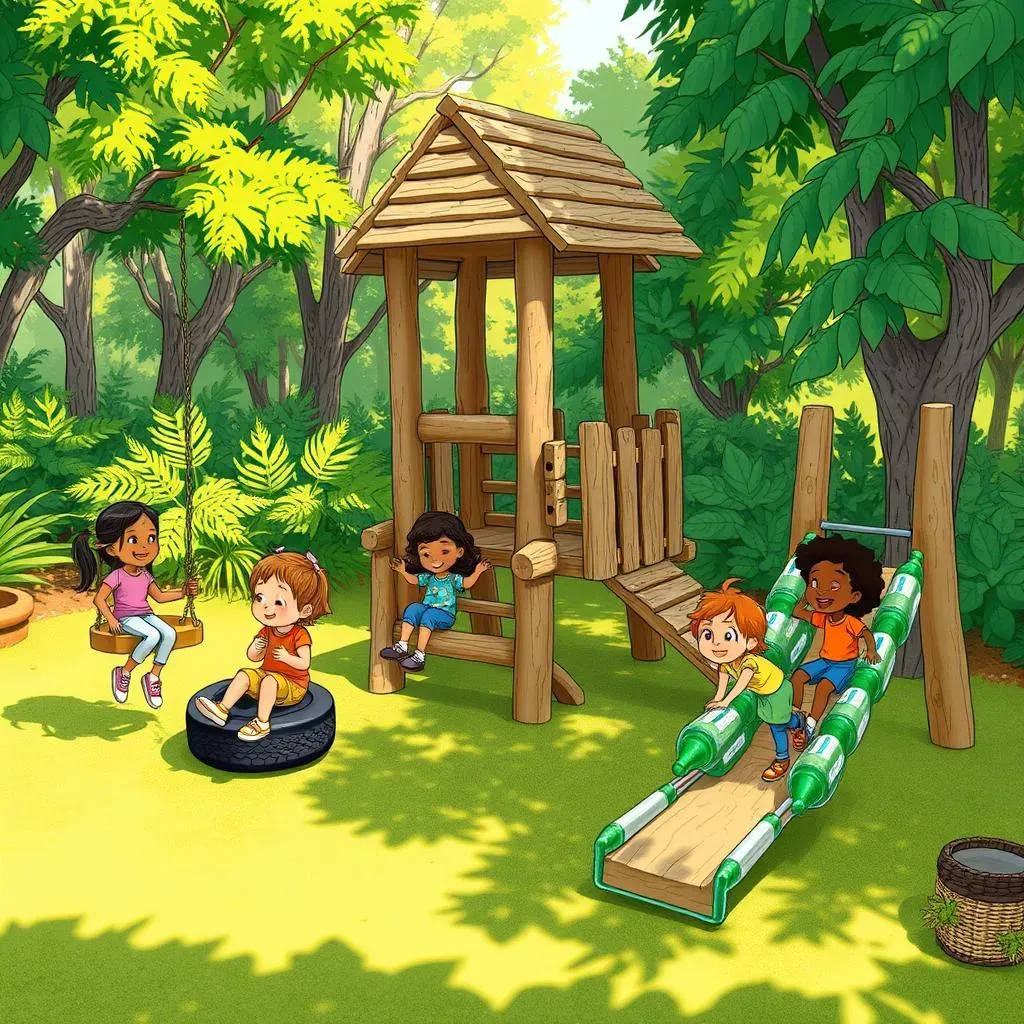
Let's be real, traditional playground equipment can be a bit of a bummer for the environment. Think about all that plastic and metal, often made using processes that aren't exactly kind to Mother Earth. But, when schools choose eco-friendly options, it’s like giving the planet a big hug. We're talking about reducing our carbon footprint, using recycled materials, and generally being less wasteful. It's a simple way to teach kids that we can have fun and be responsible at the same time. Plus, it sets a great example for the next generation about making choices that don't hurt the environment.
It's not just about feeling good either. The materials used in eco-friendly playgrounds often come from sustainable sources, which means we aren't depleting our natural resources. For instance, using recycled plastics or sustainably harvested wood helps preserve forests, and keeps plastic waste from ending up in landfills. And that’s a win-win for everyone. It's about creating a system where we can enjoy the things we love, like playgrounds, without causing long-term damage to our planet.
Traditional Playground | Eco-Friendly Playground |
|---|---|
Often uses new, non-renewable resources | Uses recycled or sustainable materials |
Higher carbon footprint due to manufacturing | Lower carbon footprint, supports circular economy |
Can contribute to waste and pollution | Helps reduce waste and pollution |
Healthier Kids, Healthier Planet
Beyond the environmental benefits, eco-friendly playgrounds are also a boon for kids’ health. These playgrounds often use materials that are free from harmful chemicals and toxins, which means safer play for everyone. Think about it: kids are touching, climbing, and sometimes even putting their mouths on playground equipment. So, knowing that the materials are safe and non-toxic is a big relief for parents and teachers. It also reduces the risk of allergies and skin irritations, leading to fewer sick days.
Plus, many eco-friendly playgrounds incorporate natural elements, like trees, plants, and natural surfaces. This encourages kids to connect with nature, promotes physical activity, and boosts their overall well-being. Studies have shown that spending time in natural environments can reduce stress, improve focus, and even enhance creativity. So, an eco-friendly playground is not just a place to play, but also a place to learn, grow, and connect with the world around them.
Top Materials for Sustainable School Playgrounds
Top Materials for Sustainable School Playgrounds
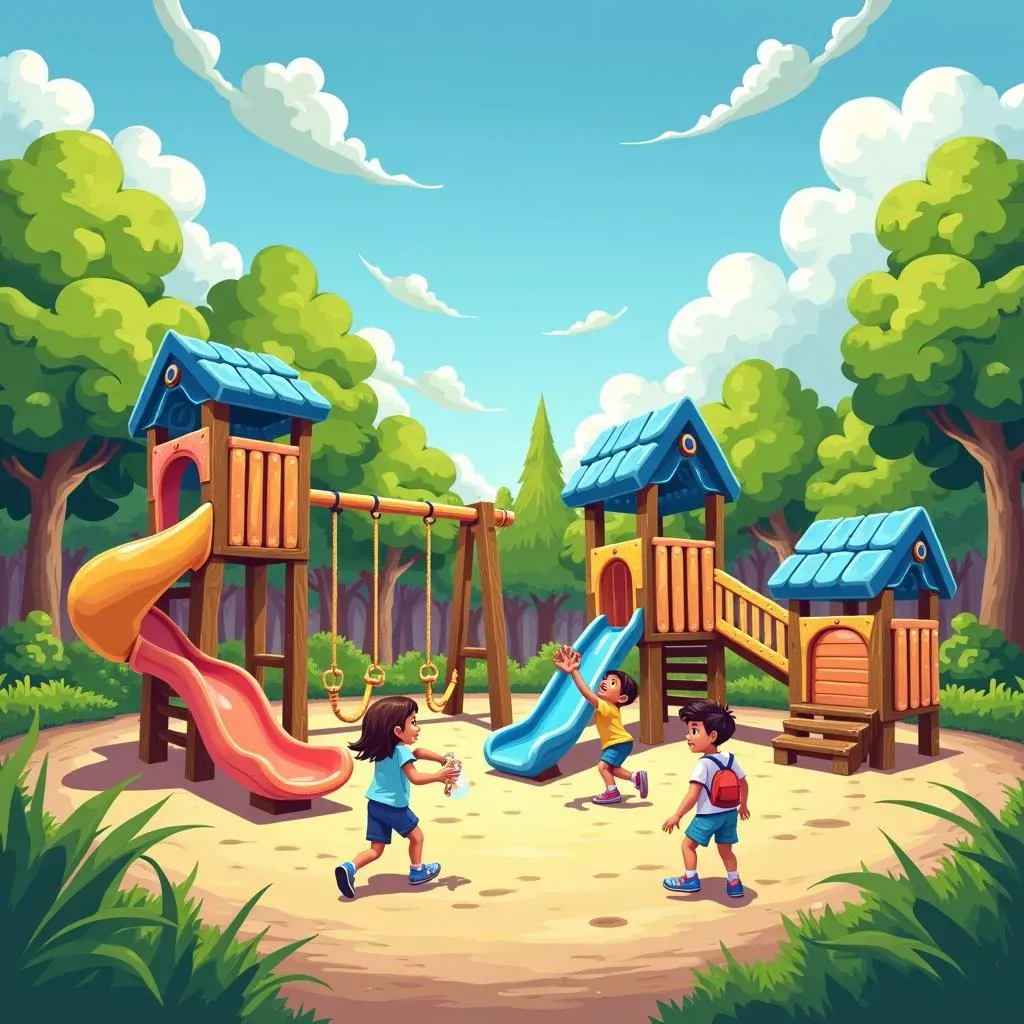
Okay, so now we know why eco-friendly playgrounds are so important, let's talk about the cool stuff they're actually made of! When it comes to sustainable school playgrounds, the materials are key. We’re not talking about the same old plastic and metal here; we’re looking at stuff that’s good for the planet and safe for kids. Think of it like choosing ingredients for a healthy meal – you want the best, most nutritious options available, right? It's the same deal with playground equipment.
First up, recycled plastics are a total game-changer. Imagine turning old milk jugs and plastic bottles into sturdy, colorful playground components! These materials are super durable, weather-resistant, and they help keep plastic waste out of landfills. Then there's sustainably harvested wood, which brings a natural touch to the playground. When wood is harvested responsibly, it's a renewable resource that's both beautiful and strong. And let’s not forget about recycled rubber, often made from old tires. It's perfect for soft, safe surfaces that help prevent bumps and bruises. It's like giving those old tires a fun new purpose!
Material | Why It's Great |
|---|---|
Recycled Plastics | Durable, weather-resistant, reduces waste |
Sustainably Harvested Wood | Renewable, strong, natural look |
Recycled Rubber | Safe surfacing, prevents injuries, reuses old tires |
Making the Switch: Practical Steps for Schools

Making the Switch: Practical Steps for Schools
Starting the Process: Assessment and Planning
Alright, so your school's ready to go green with its playground? Awesome! The first thing you've got to do is take a good, hard look at what you've currently got. What’s working? What’s not? What needs replacing? It's like a playground audit. Once you know what you're dealing with, start thinking about what you *want*. Do you want more natural elements? Specific types of equipment? Get input from teachers, students, and parents, because everyone will be using it. It's their playground, after all! Then, sketch out a plan. It doesn't have to be fancy, but it needs to be a roadmap for your project.
Next, it's time to set a budget. I know, the "B" word, but it's important. Eco-friendly equipment can sometimes have a higher upfront cost, but remember, it often lasts longer and requires less maintenance. Look into grants, fundraising, and community partnerships. There are lots of organizations that support eco-friendly initiatives. Don't be afraid to think outside the box. Maybe you can do a fun run or a bake sale! And, don’t try to do everything at once, phased approach is totally fine. Start with one area or one piece of equipment, and gradually add more over time. It’s all about making progress, not perfection.
Step | Action |
|---|---|
1. Assessment | Evaluate existing playground and needs. |
2. Planning | Define goals, gather input, create a design. |
3. Budgeting | Determine costs, explore funding options. |
4. Phasing | Implement changes gradually. |
Choosing the Right Equipment and Installation
Now for the fun part: picking out the actual equipment! Look for companies that specialize in eco-friendly playground equipment for schools. Check their certifications and see what materials they use. Don’t be shy about asking questions! How durable is it? What’s the maintenance like? What’s the warranty? It's like buying a car; you want to know all the details before you commit. Also, think about the kids' ages and abilities. Make sure there's something for everyone. It's a chance to create a space that is inclusive and fun for all.
When it comes to installation, you want to make sure it's done properly. Consider using local contractors with experience in installing eco-friendly equipment. And don’t forget about the surfacing! Recycled rubber mulch or engineered wood fiber are great choices for a safe and sustainable play area. Once everything is set up, it's important to educate the school community about the new playground. Why it’s eco-friendly, how to use it safely, and how it benefits everyone. Make it part of the school’s culture, and you’ll see the positive impact for years to come.
Benefits of EcoFriendly Play: It's More Than Just Green
Benefits of EcoFriendly Play: It's More Than Just Green
Okay, so we've talked a lot about the planet, but let's shift gears and chat about the kids! Eco-friendly play isn't just about being green; it's about creating better play experiences. When kids play on these types of playgrounds, they aren't just having fun; they're also learning, growing, and developing in amazing ways. Think about it: a playground made of natural materials is like a mini adventure zone. It encourages kids to explore, to be curious, and to use their imaginations. It's not just a bunch of plastic shapes; it’s a space that inspires creativity and problem-solving. And let’s be honest, that’s what we want for our kids, right?
Benefit | How it Helps |
|---|---|
Creativity | Natural elements spark imagination |
Problem-Solving | Encourages kids to think and explore |
Healthier Play | Reduces exposure to harmful chemicals |
Plus, when kids play in natural environments, they get a boost of Vitamin N – as in, nature! Studies have shown that spending time outdoors can reduce stress, improve focus, and even boost their immune systems. It's like giving their bodies and brains a big, healthy dose of goodness. And it's not just about physical health; it’s about mental and emotional well-being too. When kids are connected to nature, they feel more grounded, more peaceful, and more ready to tackle the world. It's a way to create a positive and uplifting space where kids can thrive. And that's the ultimate goal, isn’t it?