Table of Contents
Let's be honest. Keeping kids entertained and active when the weather is foul, or space is tight, feels like trying to herd cats through a car wash. You know the drill: endless screen time battles, bouncing-off-the-walls energy, and the quiet desperation of a parent just wanting five minutes of peace. That's where the magic of indoor adventure playground equipment comes in. It’s not just about slides and swings anymore; we're talking climbing structures that challenge, soft play areas that cushion falls, and interactive elements that spark real imagination, not just passive staring.
Why Kids (and Parents) Need Indoor Adventure Playground Equipment
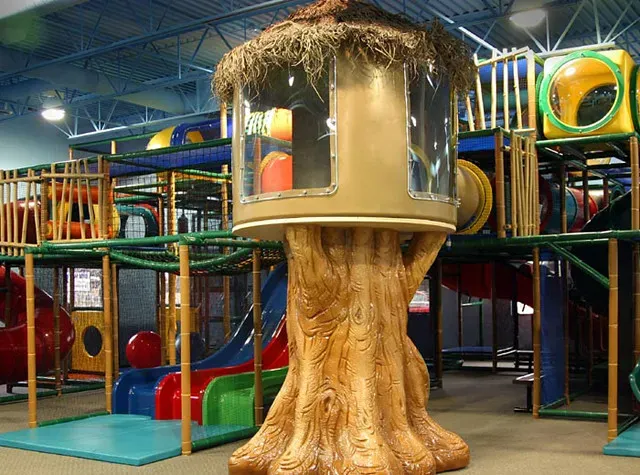
Why Kids (and Parents) Need Indoor Adventure Playground Equipment
Escaping the Screen and Moving Their Bodies
Look, we all see it. Kids are glued to screens more than ever. Getting them to run, jump, and climb feels like a historical reenactment sometimes. That's precisely why indoor adventure playground equipment is crucial. It's a deliberate space designed to make physical activity irresistible. Instead of another hour scrolling, they're navigating obstacle courses, scrambling up climbing walls, and sliding down twisty chutes. This isn't just random running around; it's structured play that builds coordination, balance, and strength. Think gross motor skills getting a serious workout without them even realizing they're exercising. It’s play disguised as fitness, and frankly, it's a genius move in a world where sedentary is the default.
A Lifesaver When the Weather Doesn't Cooperate
Nobody likes being stuck inside with restless kids. Rain? Too hot? Too cold? Doesn't matter. An indoor space packed with adventure equipment solves that problem instantly. Parents aren't left scrambling for ways to burn off energy when the park is a no-go zone. They know there's a reliable place where kids can safely explore and play, come what may outside. For businesses, this means consistent foot traffic regardless of the season. It provides a much-needed escape hatch for families, offering a predictable environment for active play that outdoor spaces simply can't guarantee.
What's the biggest challenge you face getting kids active when you're stuck indoors?
What Makes TopTier Indoor Adventure Playground Equipment?

What Makes TopTier Indoor Adventure Playground Equipment?
Quality and Safety First, Always
so you're thinking about this stuff, right? You want the kind of indoor adventure playground equipment that actually holds up, the kind that makes kids gasp with excitement but doesn't give parents a panic attack about safety. Forget the flimsy, residential-grade plastic you might see in someone's backyard. We're talking commercial quality here – robust frames, durable materials, netting that won't fray after a month, and padding in all the right places. It’s built to handle a constant flow of energetic kids, day in and day out. Safety features aren't add-ons; they're baked into the design from the ground up. Rounded edges, secure anchor points, non-slip surfaces – the details matter because one scraped knee or wobbly platform can ruin the whole experience and your reputation.
- Look for certifications (like ASTM or relevant local standards).
- Check the weight capacity and materials used.
- Inquire about fire retardant properties in soft materials.
- Ask about maintenance requirements and ease of cleaning.
Planning Your Space: Choosing and Installing Indoor Adventure Playground Equipment
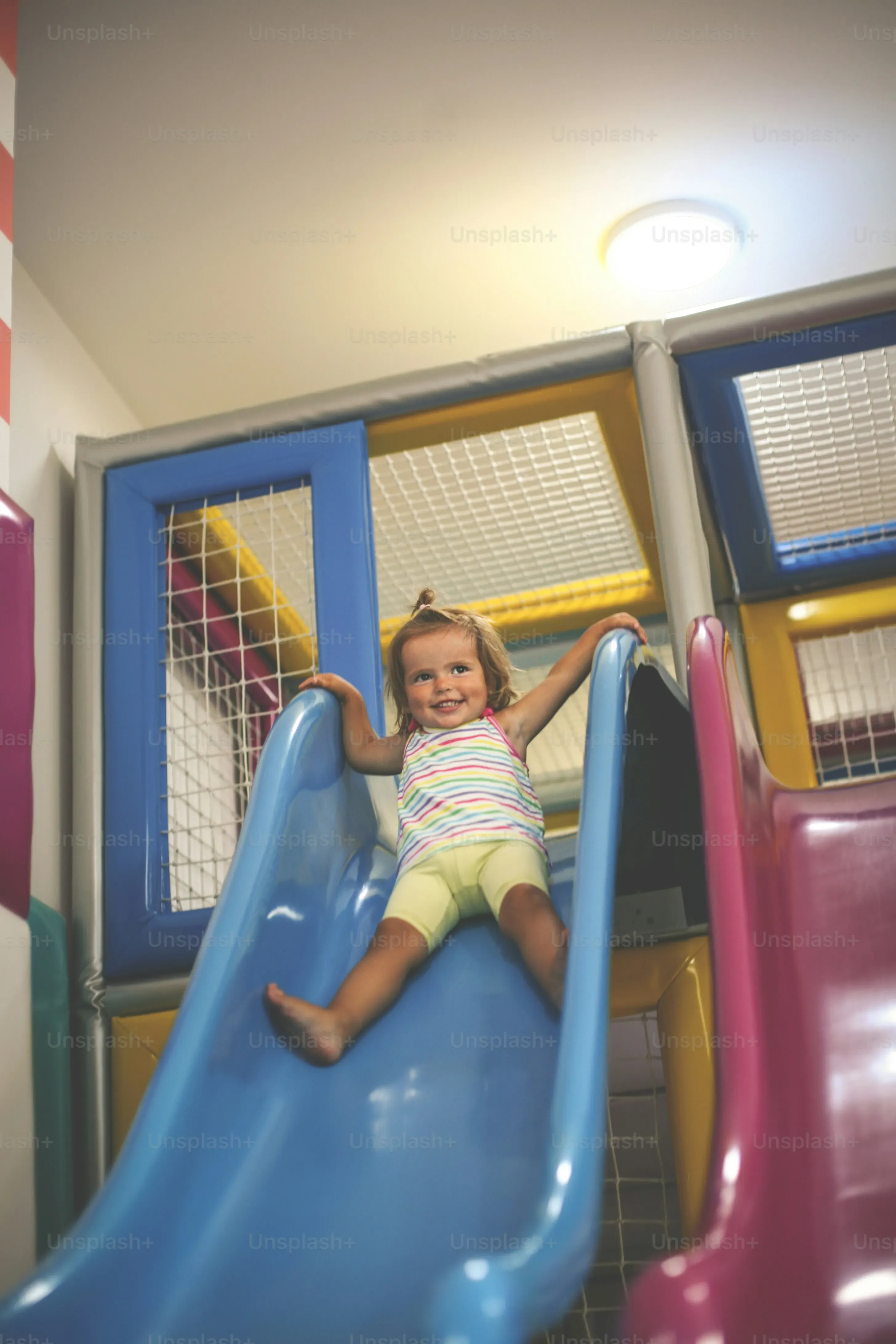
Planning Your Space: Choosing and Installing Indoor Adventure Playground Equipment
Figuring Out What You've Got and Who It's For
Alright, so you're sold on the idea of killer indoor adventure playground equipment. But before you start picturing ball pits and climbing nets everywhere, you need to get real about your space. Seriously, grab a tape measure. How high are the ceilings? What are the dimensions? Are there weird pillars or structural bits you can't move? This isn't just about fitting stuff in; it's about creating flow and maximizing play value. Also, who are you building this for? Toddlers need different challenges than ten-year-olds. A good supplier won't just sell you a pre-fab unit; they'll help you design something that fits your specific footprint and caters to the age range you're targeting. Don't forget the budget either – have a number in mind, even a rough one, because customization and scale dramatically impact costs.
Think of it like building a custom treehouse, but indoors and without the splinters (hopefully). You wouldn't just buy random planks; you'd plan where the ladder goes, how big the platform is, and what kind of slide you want. This is the same, just, you know, a lot more complicated and involving fewer actual trees.
Partnering Up and Getting This Thing Built
Once you have a handle on your space and audience, it's time to talk to the pros. Finding the right supplier for your indoor adventure playground equipment is critical. You need someone who understands safety standards, has experience with commercial installations, and can translate your vague ideas into a concrete design. They should offer layout services, maybe even 3D renderings so you can actually *see* what it will look like before committing. Don't be afraid to ask for references or examples of their past work. Installation isn't a DIY weekend project unless you're secretly a team of certified riggers and safety inspectors. Professional installation ensures everything is secure, meets code, and, most importantly, is safe for kids to go wild on. Plan for installation time – it's not instant gratification. Depending on the size and complexity, it could take days or even weeks.
Picking a supplier is like choosing a co-pilot for a slightly chaotic, fun-filled mission. You need someone you trust to get you there safely and efficiently.
More Than Just Play: The Lasting Benefits of Indoor Adventure Play
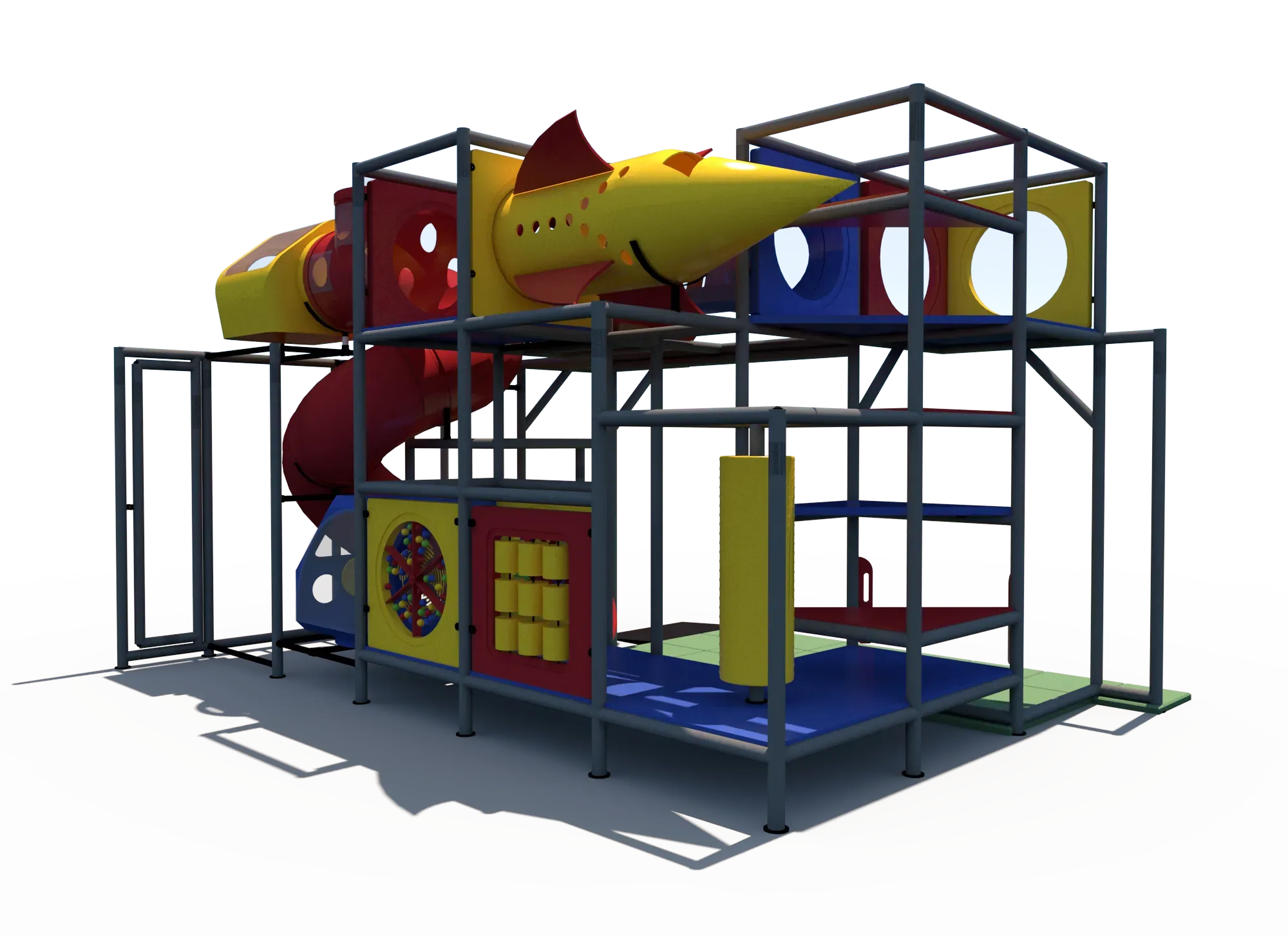
More Than Just Play: The Lasting Benefits of Indoor Adventure Play
Building Strong Bodies and Brains
Beyond just burning off energy, quality indoor adventure playground equipment is a serious workout for developing bodies. Kids aren't just climbing; they're problem-solving how to get from point A to point B. They're judging distances, testing their balance on wobbly bridges, and using muscles they didn't know they had to pull themselves up cargo nets. This kind of dynamic movement isn't something you get from sitting on a sofa, no matter how interactive the video game claims to be. It enhances gross motor skills, improves spatial awareness, and builds core strength – foundational stuff that pays off way down the line. Think better coordination for sports, improved posture, and just generally being more capable little humans.
Sparking Imagination and Social Skills
Put a bunch of kids in a multi-level structure with tunnels and slides, and watch what happens. They aren't just following directions; they're creating narratives. Suddenly, the climbing frame is a pirate ship, the slide is an escape route, and the ball pit is a shark-infested ocean. This kind of imaginative play is critical for cognitive development. It fosters creativity, encourages role-playing, and helps them understand different perspectives. More importantly, it's a social melting pot. Kids have to negotiate turns, work together to navigate obstacles, and communicate (sometimes just with gestures and giggles) in a shared space. They learn about boundaries, sharing, and making new friends outside the structured environment of school. It's social-emotional learning happening organically, amidst the squeals and laughter.
So, what skills do you think kids gain most from this kind of active, unstructured play?
Providing a Safe Space for Risk-Taking
"risk-taking" sounds a bit dramatic, but hear me out. We're not talking about genuine danger. We're talking about perceived risk – the slightly scary climb, the fast slide, the wobbly bridge. Navigating these challenges in a controlled environment provided by well-designed indoor adventure playground equipment teaches kids how to assess situations, push their own limits safely, and build confidence. They learn that they can try something that looks intimidating, maybe fall (into soft padding!), get back up, and try again. That resilience is invaluable. It's about mastering physical challenges, which translates into a belief in their ability to tackle other kinds of challenges later in life. Plus, let's be real, watching them conquer a tricky climb they were scared of five minutes ago is pretty cool for any adult nearby.
Building More Than Just Playgrounds
So, we've covered the basics: why indoor adventure playground equipment isn't just a fancy expense, but a solid play strategy. We've seen how quality components stand up to the relentless energy of a thousand kids, day in and day out. Planning the space correctly means less headache down the line and more actual playtime happening. Ultimately, investing in these systems creates environments where kids don't just burn off energy; they solve problems, build confidence, and learn to navigate the world (and maybe a multi-level structure) on their own two feet. It's less about buying plastic and foam, and more about constructing a space that genuinely contributes to healthy development. That's a return on investment you can actually see, one scraped knee and triumphant slide down at a time.