Table of Contents
Let's talk about keeping kids busy, happy, and maybe even a little worn out, all while making your business thrive. If you're running a family entertainment center, a restaurant, a shopping mall, or any place where families gather, you know the challenge: how do you keep the younger crowd engaged so the adults can stick around longer and spend more? This is where the right kind of indoor play equipment commercial solutions come into sharp focus. It's not just about throwing some plastic tubes together; it’s a strategic investment designed to attract families and create repeat business. A well-designed indoor play area can transform underutilized space into a revenue-generating magnet. We're going to cut through the noise and look at why this equipment is a serious business tool, how to pick the stuff that actually works, what the whole process looks like from concept to kids screaming with joy, and what kind of backup you should expect. Get ready to think about playtime as a profit center.
Unlocking Potential: Why Indoor Play Equipment Commercial Matters
Unlocking Potential: Why Indoor Play Equipment Commercial Matters
More Than Just Slides and Swings
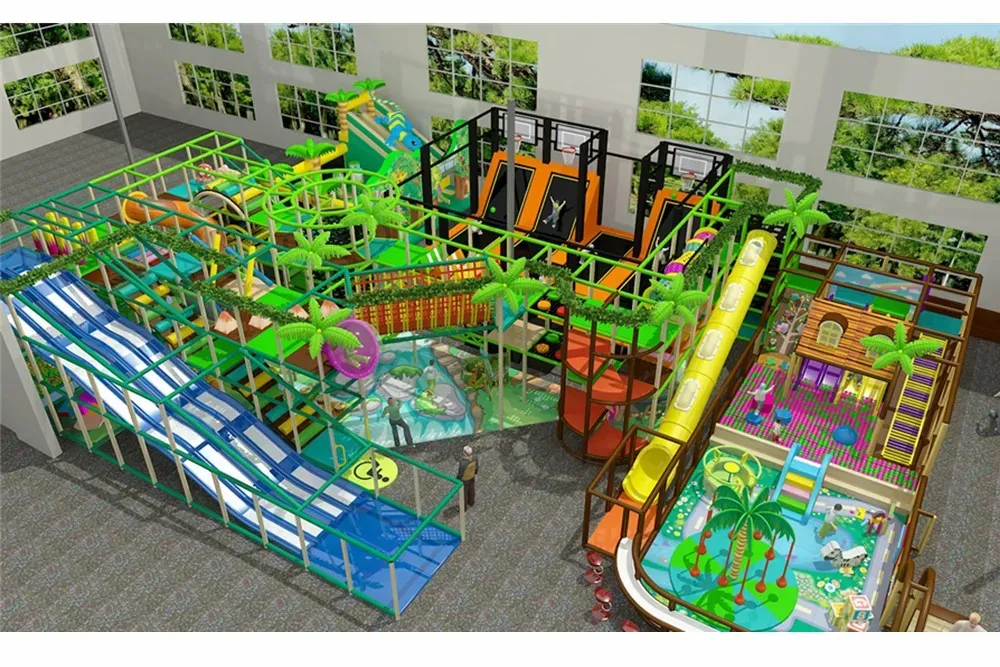
Look, let's be honest. Keeping kids entertained is a superpower for any business that caters to families. You see parents dragging tired children through a store, or trying to enjoy a meal while a toddler is staging a protest under the table. This is where indoor play equipment commercial installations come in, not as a nice-to-have amenity, but as a fundamental business driver. It provides a safe, engaging space for kids, which in turn gives parents the freedom to relax, browse, or eat without constant interruption. This isn't just babysitting; it's extending dwell time, increasing sales opportunities, and making your venue the preferred choice for families looking for a less stressful outing.
Creating a Destination, Not Just a Stop
Think about it from a parent's perspective. Are they going to choose the coffee shop with cramped tables and nothing for the kids, or the one with a dedicated, clean, and exciting play area? The answer is usually obvious. High-quality indoor play equipment commercial setups turn a simple visit into an event. They become the reason families choose your location over a competitor. It builds loyalty because parents appreciate a place where their kids can burn off energy safely, making their own experience more enjoyable. It's about creating perceived value that goes beyond your core offering.
- Increases customer dwell time significantly.
- Attracts families specifically seeking child-friendly venues.
- Enhances customer loyalty and encourages repeat visits.
- Provides a competitive edge in the market.
- Can generate direct revenue through entry fees or party bookings.
The ROI Isn't Just Numbers
While the return on investment for indoor play equipment commercial projects can be measured in increased sales and traffic, there's also an intangible return. It's in the positive word-of-mouth, the social media shares of kids having a blast, and the general buzz a vibrant play area creates. People talk about places where their kids had fun. This organic marketing is invaluable. Skimping on quality here is a rookie mistake; cheap equipment looks cheap, feels unsafe, and ultimately doesn't deliver the experience that drives business growth. Investing wisely pays dividends in reputation and revenue.
Choosing Your Indoor Play Equipment Commercial Solutions

Choosing Your Indoor Play Equipment Commercial Solutions
Assessing Your Space and Audience
Alright, so you're sold on the idea of indoor play equipment commercial installations making you money. Great. Now, what kind of stuff do you actually need? First, look at your space. Seriously, measure it. Note the ceiling height, the weird columns, the fire exits you can't block. Don't just guess. Then, think about who's coming through your doors. Toddlers need soft, low-level structures they can crawl on without face-planting from three feet up. Older kids want climbing, sliding, maybe some interactive gadgets that zap lights or make noise. A family restaurant's needs differ wildly from a dedicated FEC. Get specific about the age range you want to target most heavily. Trying to be everything to everyone usually means you're not particularly good for anyone.
Picking the Right Pieces (and Not Getting Ripped Off)
Once you know your space and target age, you can start looking at the actual indoor play equipment commercial options. There's everything from giant multi-level structures with slides that look like spaghetti noodles to simple soft play areas and interactive digital walls. Don't just pick the flashiest thing. Consider durability – this stuff is going to take a beating. Look for quality materials, solid construction, and certifications that prove it meets safety standards. Ask about the warranty. If someone offers you a deal that seems too good to be true, it probably involves cheap plastic and future headaches. Remember, this is an investment in your business's future, not a trip to the bargain bin.
- Multi-level climbing structures: Great for older kids, maximizing vertical space.
- Toddler zones: Essential for the youngest visitors, requiring soft, safe materials.
- Interactive games: Add a modern twist and appeal to digital natives.
- Slides: A classic for a reason; variety keeps it interesting (tube, wave, spiral).
- Obstacle courses: Challenge and engage kids, promoting physical activity.
Navigating the Indoor Play Equipment Commercial Process
Navigating the Indoor Play Equipment Commercial Process
Getting Started: Design, Quotes, and Red Tape
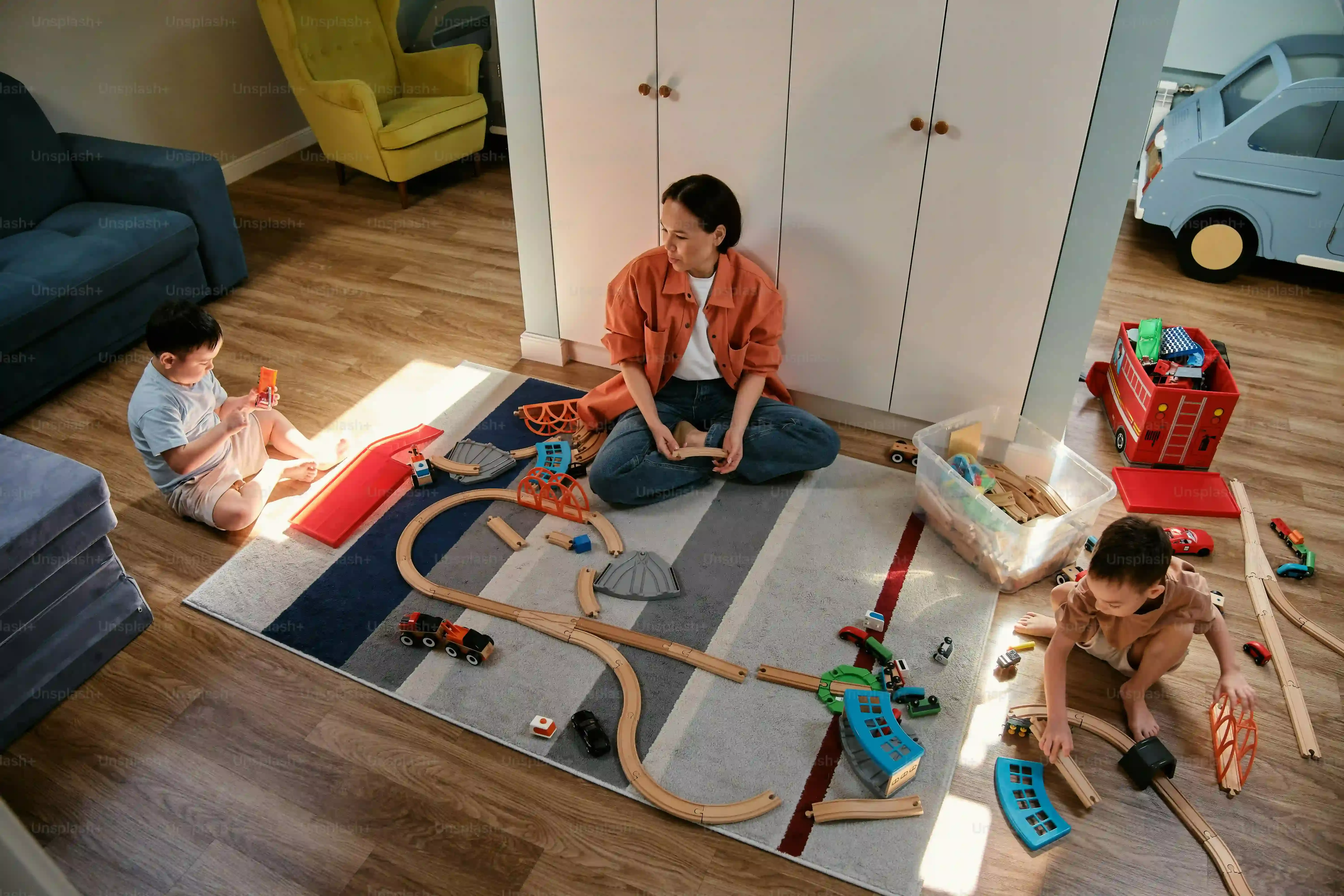
so you've decided indoor play equipment commercial is the way to go. Now comes the actual work of making it happen. It starts with design. A good provider isn't just selling you off-the-shelf pieces; they're helping you design a layout that fits your specific space and goals. You'll share your measurements, your target age group, maybe even your brand colors. They'll come back with 3D renderings and proposals. This is the time to ask a million questions. Don't feel rushed. Understand the materials, the safety features, and what's included in the price. Get quotes from a couple of places. Compare not just the bottom line, but the warranty, the quality of materials, and their experience. There will also be permits and maybe some local regulations to navigate. Your provider should be able to offer guidance on this, but ultimately, it's your responsibility to ensure everything is up to code before any installation begins. Nobody wants a shiny new play area shut down before it even opens because someone forgot a fire safety clearance.
From Factory Floor to Finished Fun Zone
Once you've signed off on the design and the paperwork is sorted, the manufacturing begins. This isn't instant gratification; custom indoor play equipment commercial takes time to build. Components are fabricated, padded, and prepared for shipping. Stay in communication with your provider about timelines. Delays happen, but you should be kept in the loop. Then comes the installation. This is usually done by a crew sent by the manufacturer or a certified partner. It can be disruptive, so plan accordingly. They'll arrive with boxes and beams and turn your empty space into a vibrant play structure. Expect it to take several days, maybe even a week or two depending on the size and complexity. Once it's up, there will be inspections – both from the installer to ensure everything is secure and often from local authorities for final approval. Only when all the checks are done and passed is your indoor play equipment commercial officially open for business.
Key Stages in the Process:
- Initial Consultation & Site Assessment
- Custom Design & Proposal
- Quote Comparison & Contract Signing
- Manufacturing & Quality Control
- Shipping & Logistics
- Professional Installation
- Safety Inspection & Certification
- Grand Opening!
Quality & Support for Your Indoor Play Equipment Commercial Investment
Quality & Support for Your Indoor Play Equipment Commercial Investment
Why Cutting Corners on Quality is a Bad Idea
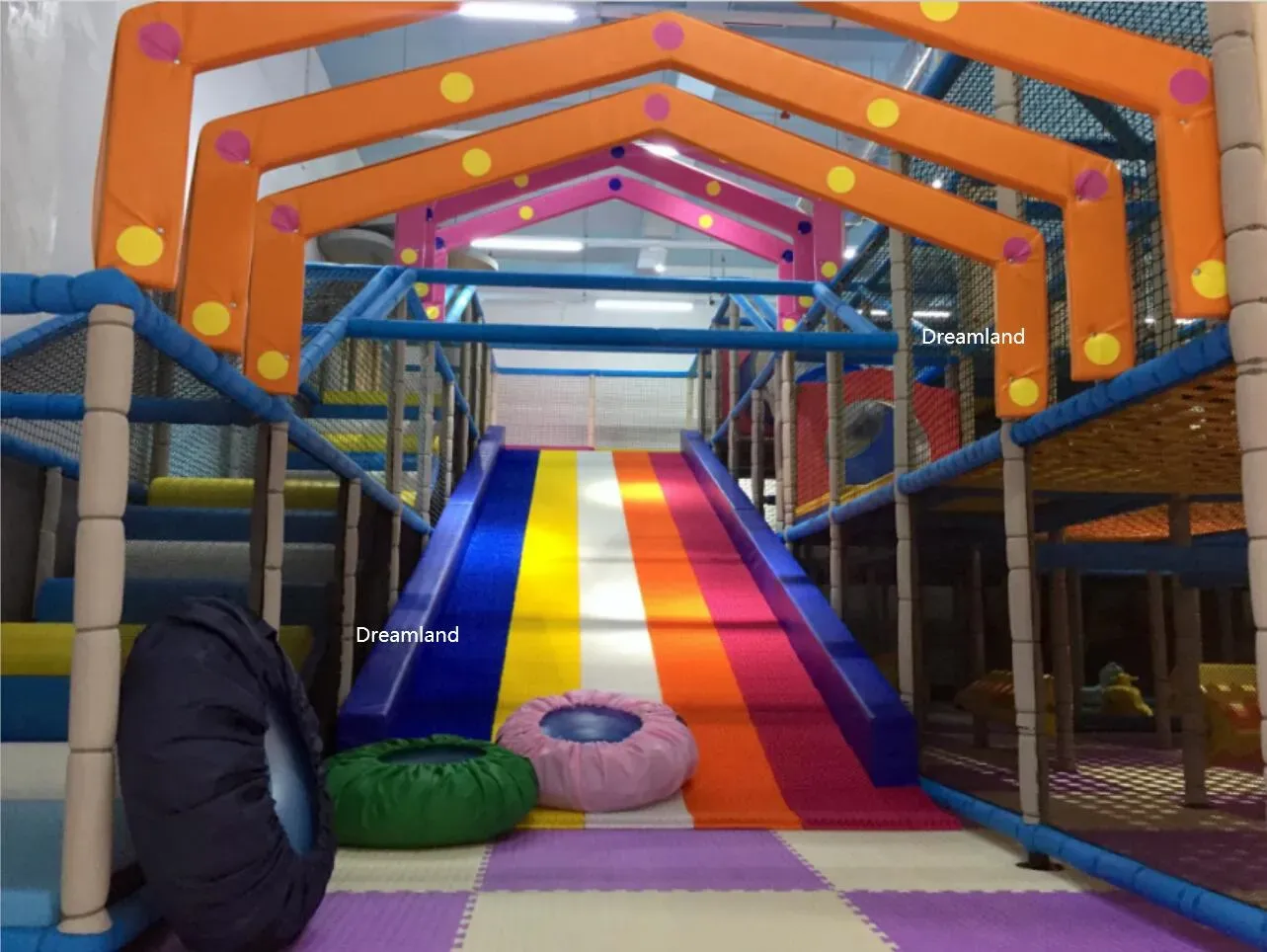
let's talk brass tacks about the actual stuff kids are going to be climbing all over. When you're buying indoor play equipment commercial grade, quality isn't a luxury; it's the foundation your business is built on. Think about the sheer amount of abuse this equipment takes daily – hundreds, maybe thousands of kids running, jumping, sliding, and generally treating it like their personal demolition derby. Cheap materials break. Padding wears thin fast. Structures become wobbly. This isn't just an aesthetic problem; it's a massive safety hazard waiting to happen. A single injury claim can cost you far more than you ever saved by going with the lowest bidder. Plus, equipment that constantly needs repairs looks neglected and tells parents you don't prioritize their children's safety or their experience. You want equipment built to last, certified to meet rigorous safety standards like ASTM or EN, and made from durable, non-toxic materials. Check the stitching on the padding, the thickness of the steel frames, the quality of the netting. These details matter.
The Lifeline: Warranty and Ongoing Support
So, you've picked out robust, high-quality indoor play equipment commercial. Great start. But what happens if a seam splits or a component fails six months down the line? That's where warranty and support kick in. A solid warranty, like 18 months or even longer on the structure itself, shows the manufacturer stands behind their product. Read the fine print though – what does it actually cover? Wear and tear on high-traffic items like slide liners or padding might be excluded, which is fair, but structural issues should be covered. Beyond warranty, ask about ongoing support. Do they stock replacement parts? Can they send a technician if you have a complex issue you can't fix yourself? Are they available for safety audits or maintenance advice down the road? Your relationship with the supplier shouldn't end the moment the installation crew drives away. You need a partner who can help keep your investment safe and operational for years.
Consider asking potential suppliers:
- What safety certifications does your equipment hold (e.g., ASTM, EN)?
- What materials do you use, and are they non-toxic and fire-retardant?
- What is the standard warranty period, and what specifically does it cover?
- Do you offer extended warranty or maintenance plans?
- How quickly can you ship replacement parts?
- Do you provide training for our staff on basic maintenance and safety checks?
The Bottom Line on Indoor Play Equipment Commercial
So, there it is. Indoor play equipment commercial isn't some fluffy amenity; it's a calculated move to enhance your space, attract families, and keep them coming back. Getting it right involves more than just picking bright colors; it requires understanding your audience, navigating design and installation, and partnering with providers who stand behind their product. It's an investment, sure, but one that can pay dividends if approached with a clear head and realistic expectations. Don't treat it as an afterthought. Treat it as a core component of your operation designed to make money while the kids have a blast.