Table of Contents
Ever wonder how to keep a room full of toddlers from turning into a miniature demolition derby when the weather outside is doing its worst? Rain, snow, or just plain too-hot-to-handle days can make outdoor play impossible. That's where quality indoor play equipment for daycare centers becomes less of a luxury and more of a necessity. It's not just about burning off energy; it's about creating environments where little brains and bodies can thrive, even when stuck inside.
Why Indoor Play Equipment for Daycare Matters
Why Indoor Play Equipment for Daycare Matters
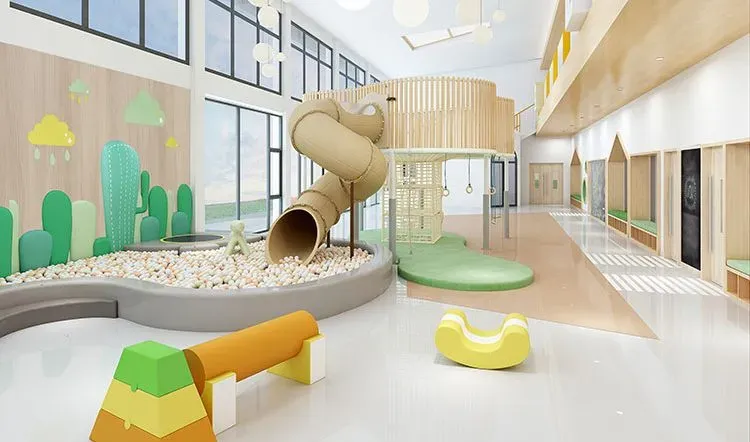
So, let's talk about why investing in indoor play equipment for daycare isn't just a nice-to-have, it's essential. Think about those days when the weather is just awful – pouring rain, freezing cold, or sweltering heat. Kids still have energy to burn, right? They still need opportunities to climb, slide, crawl, and interact. Without good indoor options, you're stuck with limited activities, and let's be honest, that leads to bored kids and stressed caregivers. Beyond just keeping them busy, quality indoor play equipment supports crucial physical development, helping kids build gross motor skills, balance, and coordination. It also sparks imagination and social interaction as they navigate structures together, creating their own little worlds.
Types of Indoor Play Equipment for Daycare Spaces

Types of Indoor Play Equipment for Daycare Spaces
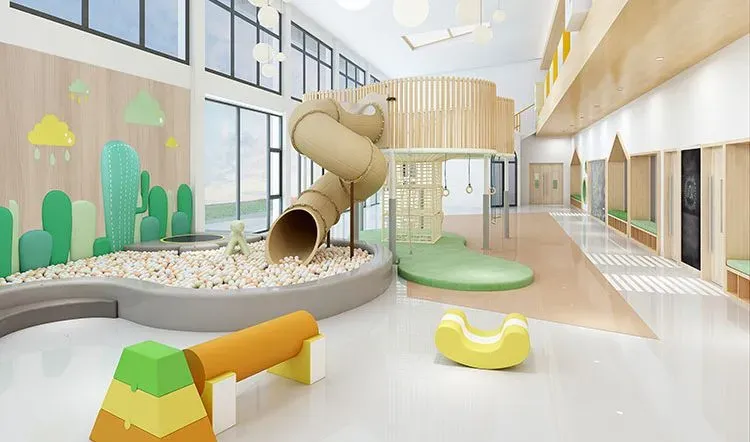
Alright, so you're convinced indoor play is key. Now, what kind of gear are we actually talking about for these indoor play equipment for daycare spaces? It's not just about throwing a few plastic toys in a corner. We're talking about intentional pieces designed to challenge and engage little ones. Think soft play structures – the kind with ramps, tunnels, and steps made of foam covered in durable vinyl. These are fantastic for gross motor skills, letting kids climb and explore safely. Then there are imaginative play centers, like mini kitchens, workshops, or market stalls, which are crucial for social development and role-playing. Don't forget sensory tables for tactile exploration, or building blocks, both large foam ones and smaller wooden sets, that encourage problem-solving and creativity. Each type serves a different purpose, building a well-rounded play environment.
Choosing Safe and Engaging Indoor Play Equipment for Daycare
Choosing Safe and Engaging Indoor Play Equipment for Daycare
so you've got a handle on *why* indoor play equipment for daycare is important and the different types out there. Now comes the critical part: picking stuff that is actually safe and keeps the kids hooked. You can have the fanciest climbing structure in the world, but if it's got pinch points or slippery surfaces, it's a no-go. Safety isn't just about padding; it's about design. Look for equipment with rounded edges, materials that meet current safety standards (check those certifications!), and structures that are age-appropriate. A climber designed for five-year-olds is a hazard for toddlers. Engagement, on the other hand, comes from variety and challenge. Does the equipment offer different ways to play? Can kids use their imaginations? Does it encourage interaction? Think about pieces that allow for open-ended play rather than just one specific action. That's the secret sauce to making your indoor play equipment for daycare space a hit, keeping little minds and bodies busy safely.
Investing in Quality Indoor Play Equipment for Daycare
Investing in Quality Indoor Play Equipment for Daycare
The Price Tag vs. The Payoff
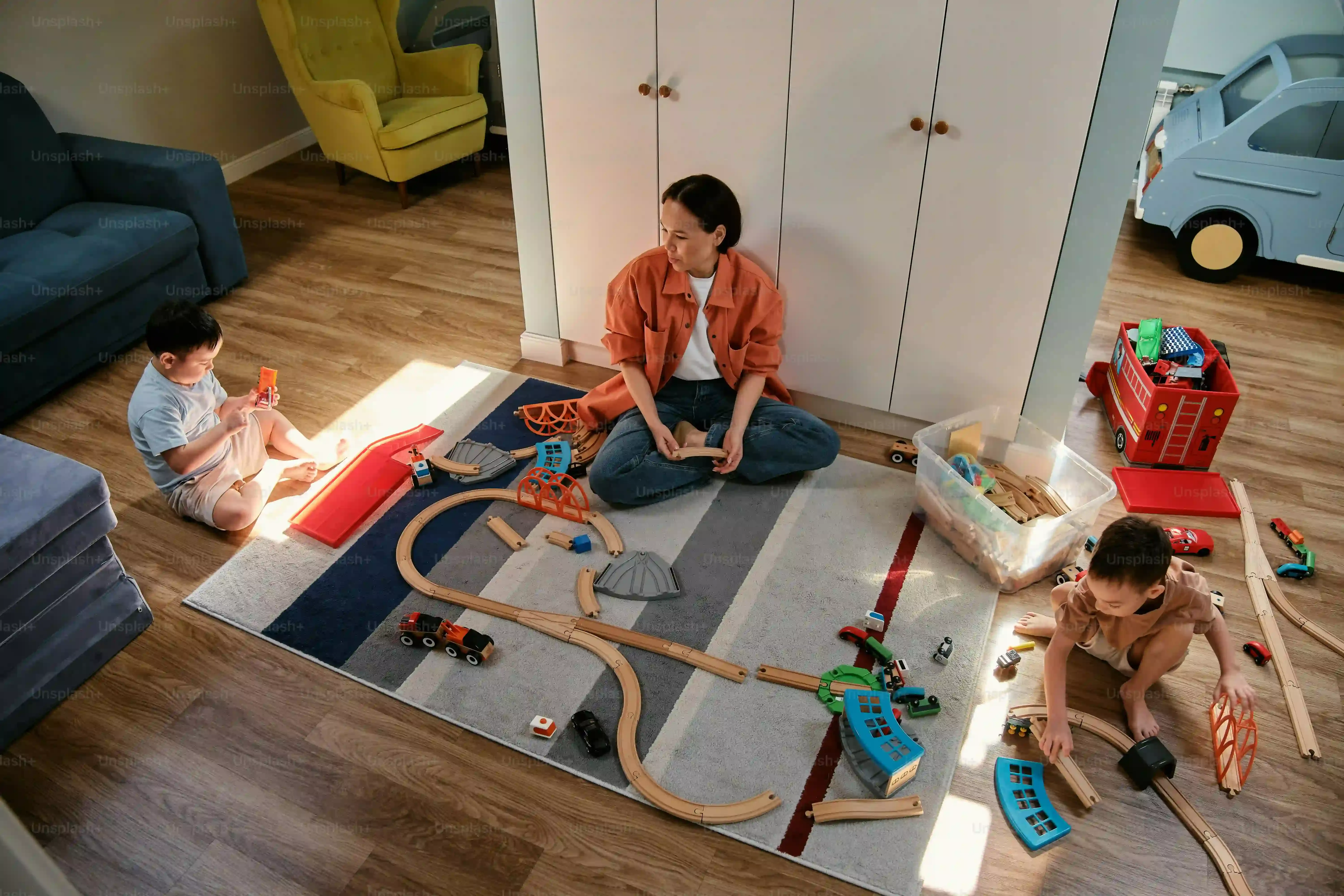
let's talk brass tacks. Buying indoor play equipment for daycare facilities isn't like picking up a few pool noodles at the dollar store. We're talking about a real investment. It's easy to look at the price tags on commercial-grade equipment and feel a bit of sticker shock. You might think, "Can't I just get something cheaper?" Sure, you *could*. But that cheaper option often means flimsier materials, less rigorous safety testing, and a lifespan measured in months, not years. Imagine buying a climbing structure that starts wobbling after six months or a soft play mat that tears after a year. You end up spending more in the long run replacing shoddy gear and potentially dealing with safety issues. Investing in quality indoor play equipment for daycare upfront means buying peace of mind and equipment built to withstand the daily onslaught of enthusiastic little humans for years.
What Does "Quality" Even Mean Here?
So, when we say "investing in quality indoor play equipment for daycare," what exactly are we looking for? It's more than just a high price. Quality means durability – materials that won't easily crack, fade, or break down under constant use and cleaning. Think commercial-grade vinyl, sturdy plastics, and robust construction. It also means safety certifications aren't just a suggestion; they're non-negotiable. Look for compliance with standards like ASTM and CPSC. A good warranty tells you the manufacturer stands behind their product. Are they offering a one-year warranty or a ten-year warranty on structural components? That gap speaks volumes. Check out the reputation of the company; have they been around? Do they specialize in daycare or early childhood equipment? Getting answers to these questions helps ensure your investment in indoor play equipment for daycare pays off by being safe, long-lasting, and actually worth the money.
When evaluating quality:
- Check for safety certifications (ASTM, CPSC).
- Inquire about material durability and ease of cleaning.
- Understand the warranty terms – the longer, the better.
- Research the manufacturer's history and reputation.
- Ask about installation requirements and ongoing maintenance.
Designing Your Daycare's Indoor Play Area
Designing Your Daycare's Indoor Play Area
Starting with the Blueprint (Even Without One)
so you've got the why and the what of indoor play equipment for daycare. Now, how do you actually make it *work* in your space? You can't just shove a giant climber into a tiny room and call it a day. First step: look at the room you have. What are its dimensions? Where are the doors, windows, and any awkward pillars? Think about the age groups using the space. Toddlers need very different things than preschoolers. Sketch it out, even roughly. Consider traffic flow – where will kids enter and exit? Where will supervisors stand? A poorly planned space, even with great indoor play equipment for daycare, becomes chaotic fast. You want zones that make sense, allowing for different types of play without everything colliding.
Zoning for Maximum Impact and Minimal Headaches
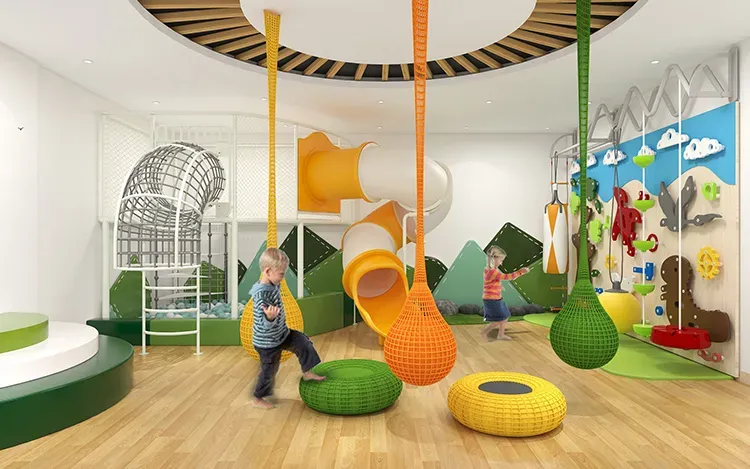
Once you have the basic layout in mind, it's time to zone. This is where you designate areas for specific types of play using your indoor play equipment for daycare. You might have a quiet corner for reading or sensory play, a main area for gross motor activities (climbing, sliding), and another section for imaginative play. Zoning helps prevent conflicts and overstimulation. Use furniture, shelving, or even different colors of safety surfacing to define these areas. When selecting pieces, think about how they fit together developmentally. Does the soft play area lead naturally into a block-building zone? Are the quieter activities away from the high-energy ones? It’s about creating a cohesive environment, not just a collection of stuff.
- Designate quiet zones for reading and sensory play.
- Create active zones for climbing, sliding, and gross motor skills.
- Set up imaginative play areas like kitchens or workshops.
- Use furniture or flooring changes to define zones clearly.
- Ensure clear sight lines for supervision across all areas.
The Nitty-Gritty: Flooring, Flow, and Future-Proofing
Finally, let's talk practicalities that make or break your indoor play equipment for daycare setup. Flooring is non-negotiable. Concrete or tile is just asking for bumps and bruises. You need proper safety surfacing, like foam mats, rubber tiles, or poured-in-place options, especially under climbing structures. Make sure the critical fall height of your tallest equipment is covered by the surfacing's rating. Also, think long-term. Is the equipment easy to clean and sanitize? Can pieces be moved or reconfigured as your needs or the children's interests change? A static space gets boring. A well-designed indoor play area isn't just about the initial wow factor; it's about functionality, safety, and adaptability that keeps kids engaged and caregivers sane for years.
Making the Most of Your Indoor Play Investment
Picking out indoor play equipment for daycare isn't just ticking a box on a checklist; it's about building a foundation for learning, movement, and social skills, even when the weather outside is less than cooperative. We've looked at why these indoor spaces matter, the variety of gear out there, the non-negotiables of safety and quality, and the practical side of bringing it all together. Ultimately, the right equipment transforms downtime into development time. It's a tangible investment in the well-being and growth of the children in your care, turning indoor hours from a challenge into an opportunity for exploration and joy.