Table of Contents
Watching a three-year-old navigate their world is like witnessing a tiny, determined explorer. They push boundaries, test limits, and learn at an astonishing rate. A huge part of this critical development happens outside, away from screens and structured indoor activities. Getting the rightoutdoor play equipment for 3-5 year oldsisn't just about keeping them busy; it's about providing the tools for physical growth, cognitive challenges, and social interaction. But let's be honest, wading through options can feel like navigating a jungle gym blindfolded. Safety standards, age-appropriateness, durability – it's a lot to consider when all you want is for them to burn off some energy safely.
Why Outdoor Play is Crucial for 35 Year Old Development

Why Outdoor Play is Crucial for 35 Year Old Development
More Than Just Running Around
Look, anyone who’s spent five minutes with a three-year-old knows they have energy to burn. But the importance of getting them outside goes way deeper than just tiring them out before nap time. This is the age where they're building the foundations for everything: motor skills, problem-solving, social cues, even their immune systems. UnderstandingWhy Outdoor Play is Crucial for 35 Year Old Developmentmeans recognizing it's a sensory buffet and a physical boot camp rolled into one. They’re figuring out gravity by attempting to climb, testing spatial awareness by squeezing through tunnels, and learning negotiation skills when two kids want the same swing. It’s uncontrolled, often messy, and absolutely essential work for their growing brains and bodies.
Safety Standards for Outdoor Play Equipment for 35 Year Olds
Safety Standards for Outdoor Play Equipment for 35 Year Olds
Why Standards Aren't Just Red Tape
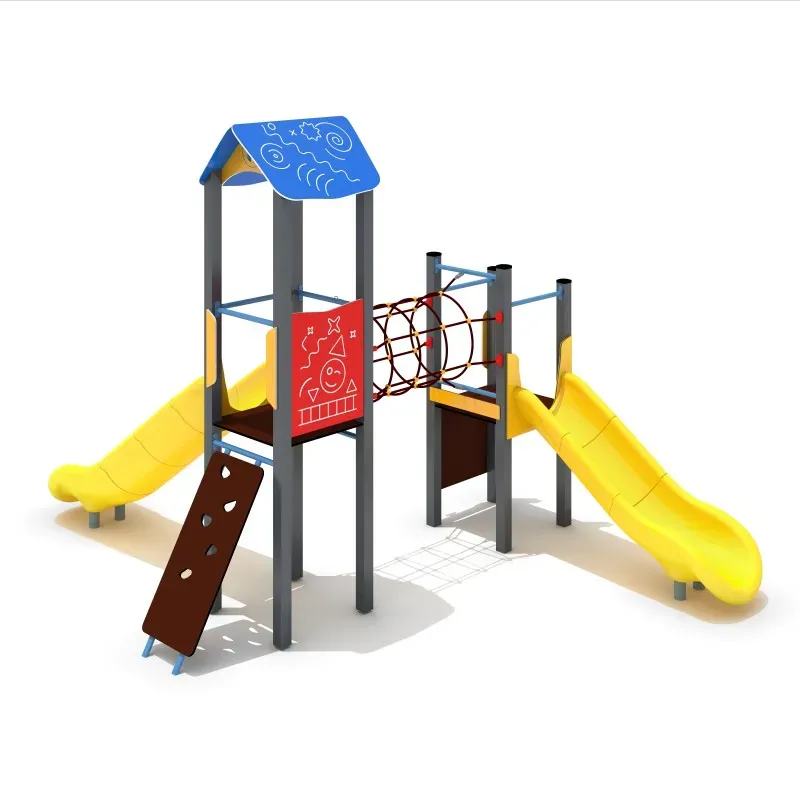
Alright, let's talk about the grown-up stuff that nobody finds particularly thrilling but is absolutely non-negotiable: safety standards. Thinking aboutSafety Standards for Outdoor Play Equipment for 3-5 Year Oldsmight conjure images of endless checklists and boring regulations, but look at it this way: these rules were written in the blood (okay, maybe just scraped knees and broken bones) of countless playground mishaps. This age group is fearless, clumsy, and still figuring out basic physics. They'll put themselves in harm's way without a second thought. So, the equipment has to be smarter and tougher than they are. We're talking about preventing head injuries, avoiding pinch points, ensuring fall zones are adequate, and making sure tiny fingers and toes don't get trapped.
Decoding the Alphabet Soup: CPSC, ASTM, ADA
When you're shopping for commercial-grade outdoor play equipment for these little tornado-humans, you're going to run into acronyms like CPSC, ASTM, and maybe ADA. Don't glaze over. CPSC (Consumer Product Safety Commission) provides guidelines, like maximum heights for climbing structures for this age group (usually under 60 inches, remember?). ASTM (American Society for Testing and Materials) sets voluntary standards that manufacturers follow to make sure equipment is built robustly and safely. ADA (Americans with Disabilities Act) ensures accessibility, so kids of all abilities can join the fun. Think of these as the minimum requirements. If a piece of equipment doesn't meet these, walk away. Seriously. It's not worth the risk, no matter how bright and shiny it looks.
- Check for CPSC guidelines compliance (especially height limits).
- Look for equipment that meets or exceeds ASTM standards for manufacturing and design.
- Ensure ADA accessibility features are included where required.
- Verify there are no pinch points or areas where clothing could get snagged.
- Confirm appropriate surfacing material and fall zones are planned around the equipment.
Top Types of Outdoor Play Equipment for 35 Year Olds
Top Types of Outdoor Play Equipment for 35 Year Olds
Getting Started: The Classics That Work
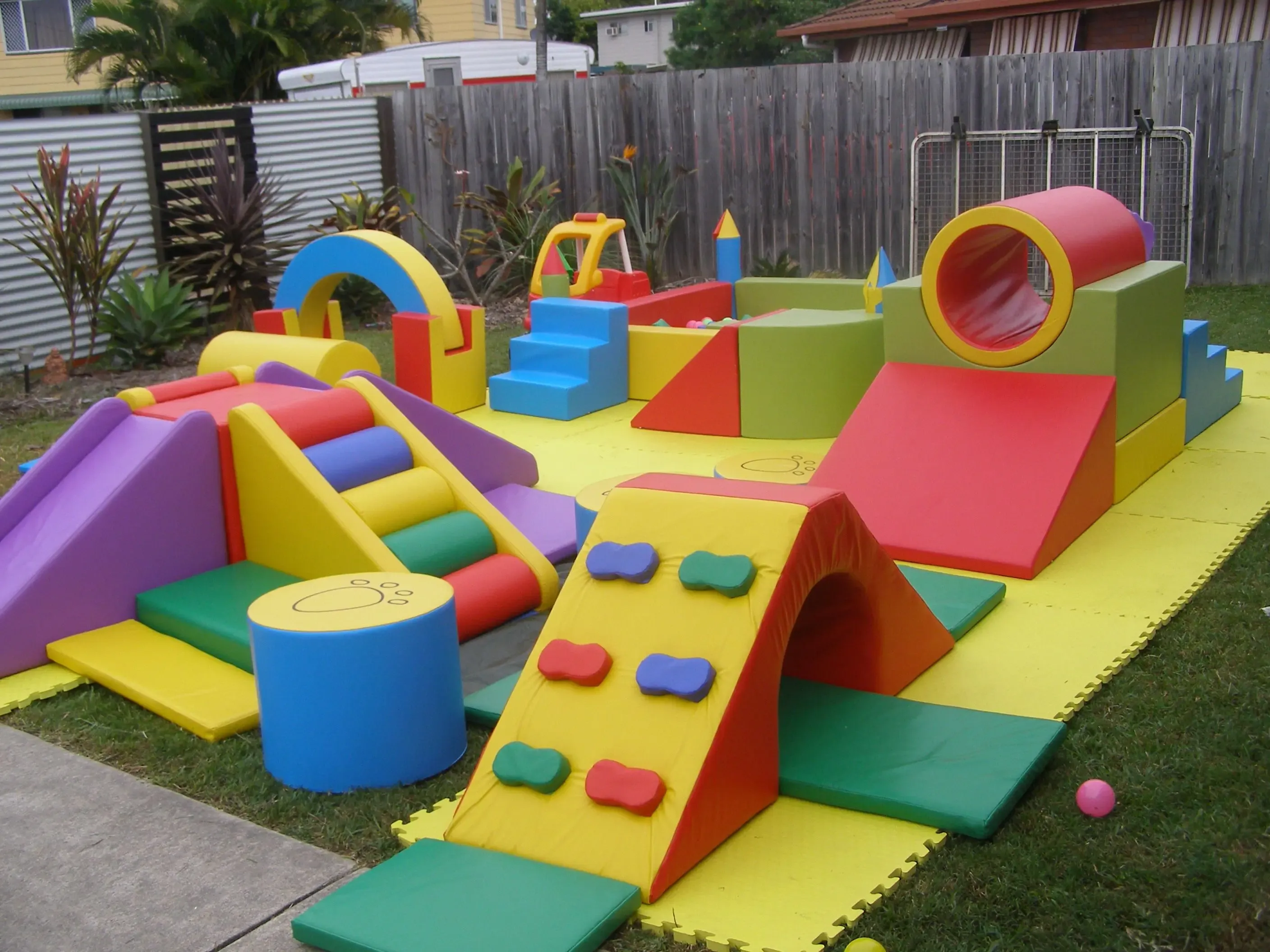
Alright, so you're past the safety stuff, you understand *why* they need to be outside, now let's talk about the fun part: what gear actually delivers? When you're looking atoutdoor play equipment for 3-5 year olds, think foundational. This age group thrives on exploring basic movements: climbing, sliding, crawling. Forget the super complex stuff for now. Simple, well-built structures are key. Think low-level climbers, slides that aren't terrifyingly steep (remember that 60-inch max height?), and enclosed spaces like tunnels or small playhouses. These pieces allow them to practice those gross motor skills – coordination, balance, spatial awareness – without being overwhelmed. They also offer opportunities for imaginative play; a slide becomes a rocket ship, a tunnel a secret hideout.
Sensory and Skill Building Stations
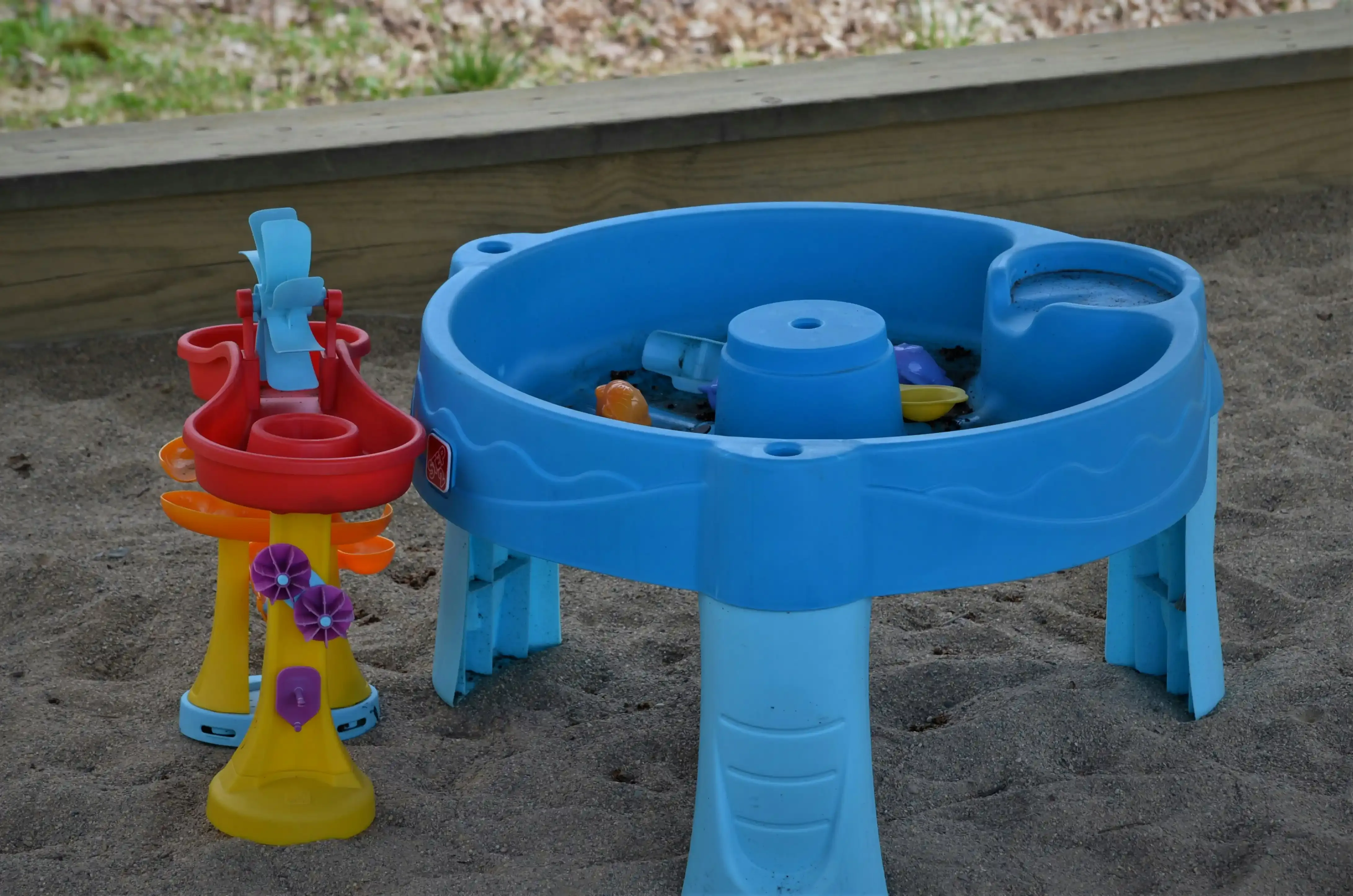
Beyond the climbing structures, consider equipment that engages their senses and fine motor skills. Sand and water tables are gold for this age. They offer tactile experiences and introduce basic concepts of volume and gravity. Activity panels attached to play structures or standalone units are fantastic too. They often feature gears to turn, beads to slide, or simple puzzles. These stations keep little hands busy and minds engaged, promoting fine motor development and problem-solving in a relaxed outdoor setting. It's not just about running; it's about exploring textures, sounds, and simple cause-and-effect.
What kind of activities really click with this age group?
- Climbing short, accessible walls or ramps.
- Sliding down gentle slopes.
- Crawling through tunnels.
- Digging and scooping in sandboxes.
- Pouring and splashing at water tables.
- Manipulating simple puzzles or turning gears on activity panels.
Swinging and Soaring: Low-Level Thrills
Swinging is a fundamental playground activity, and for 3-5 year olds, it’s pure joy and a great vestibular workout. Look for swings designed specifically for this age group, like bucket seats that provide extra support and security. Tire swings or even small group swings can also be a hit, encouraging social interaction as they share the experience. Just ensure the swing set is sturdy, anchored correctly, and has adequate fall surfacing underneath. It’s a classic for a reason; that feeling of soaring, even just a few feet off the ground, is a powerful developmental stimulus and frankly, just plain fun.
Selecting the Ideal Outdoor Play Equipment for Your Space
Measuring Up: Space and Budget Realities
Alright, let's get practical. Before you start dreaming of multi-level structures with spiral slides, you need to look at the cold, hard facts: how much space do you actually have? And, perhaps more importantly, how much cash are you working with?Selecting the Ideal Outdoor Play Equipment for Your Spacestarts with a tape measure and a spreadsheet, not a wish list. You need to account for the footprint of the equipment itself, plus the critical "fall zone" around it – that's the area where a kid might tumble off, and it needs appropriate surfacing like mulch, sand, or rubber tiles. Don't skimp on the fall zone; it's literally the difference between a minor scare and a trip to the ER. Measure your area, consider access points, and think about drainage. Waterlogged play areas are nobody's friend.
Who's Playing? Needs and Interests
Now, think about the actual tiny humans who will be using this equipment. While we're talking about outdoor play equipment for 3-5 year olds generally, every group is different. Are they particularly active climbers, or do they prefer quieter, sensory play? Do you have a mix of ages within that range (a big difference between a cautious three-year-old and a daring five-year-old)? Consider their current skill levels and what you want to help them develop. A swing set is great, but if your group is more interested in imaginative play, a small playhouse or a structure with panels and tunnels might get more use. Talk to caregivers or parents about what the kids enjoy most. Don't just buy what looks cool; buy what fits the players.
Consider This | Why It Matters for 3-5 Year Olds |
|---|---|
Available Space | Determines size and type of equipment, crucial for required fall zones. |
Budget | Impacts quality, durability, and features. Commercial-grade costs more but lasts longer. |
Children's Interests | Ensures engagement; climbing structures vs. sensory panels vs. dramatic play areas. |
Existing Skills | Helps choose equipment that challenges but doesn't overwhelm. |
Built to Last: Durability and Maintenance
Investing in outdoor play equipment for 3-5 year olds isn't a one-time purchase; it's a commitment. This gear lives outside 24/7, exposed to sun, rain, snow, and the relentless impact of small bodies. You need materials that can withstand the elements and constant use. Look for commercial-grade steel, durable plastics, and hardware that won't rust or loosen easily. Factor in maintenance. Wood needs sealing, bolts need tightening, and surfacing needs replenishment. Cheaper equipment might save you money upfront, but if it splinters, cracks, or fades within a year, you'll end up spending more on repairs or replacement. Durability isn't just about saving money; it's about safety and ensuring the equipment remains a positive, reliable resource for years.
Getting the Most from Outdoor Play Equipment for 35 Year Olds
Getting the Most from Outdoor Play Equipment for 35 Year Olds
Making the Investment Pay Off
Getting the Most from Outdoor Play Equipment for 3-5 Year Oldsisn't just about installing it and walking away; it requires a bit of thought and ongoing effort. Think of it less like buying a statue and more like getting a puppy – it needs attention and interaction to truly thrive. Encourage different types of play. Guide them on how to use the equipment in new ways once they've mastered the basics. Introduce games that incorporate the structures, turning a simple climber into a pirate ship or a slide into a rescue chute. Sometimes, the most valuable thing you can add isn't more equipment, but your presence and imagination, helping them see the possibilities beyond the obvious.
Making Outdoor Play Count for 3-5 Year Olds
Ultimately, investing in qualityoutdoor play equipment for 3-5 year oldsisn't just purchasing plastic and metal; it's providing a foundation for crucial developmental milestones. We've covered the non-negotiable safety standards, the specific types of equipment best suited for this age group's capabilities and limitations, and how to make practical choices for your space. It boils down to creating environments where they can safely experiment, build strength, solve problems, and interact with their peers. The scraped knees and muddy clothes are part of the process, sure, but the benefits – improved coordination, increased confidence, and a genuine love for physical activity – are the real payoff. Choose wisely, prioritize safety, and let them play.