Table of Contents
Ever wondered where all those colorful, but kinda flimsy, plastic playground parts end up? Yeah, me too. It's time we face it: traditional playgrounds are often a sea of plastic, and that’s not great for our planet or our kids. But what if there was a better way? What if we could create fun, safe, and engaging play spaces using materials that don’t harm the environment? This article is all about that! We're going to explore the world of plastic-free playground equipment. I'll show you the problems with plastic, what awesome alternatives exist, and why choosing plastic-free is a win-win for everyone. We'll look at how these choices help the planet and make play even better. Get ready to see how we can build playgrounds that are as good for the Earth as they are for our kids. Let’s jump in and discover how to make play spaces awesome and sustainable!
The Problem with Plastic in Playgrounds
The Problem with Plastic in Playgrounds
The Playground Plastic Predicament
Okay, let’s be real, plastic is everywhere, and playgrounds are no exception. I mean, think about it: slides, swings, climbing structures – a lot of it is made from plastic. It's cheap and colorful, sure, but that doesn’t mean it's the best choice. This stuff is made from oil, a non-renewable resource, which means we’re using up limited resources to make something that’s going to break down and end up in landfills eventually. Plus, when plastic breaks down, it doesn't just disappear. It turns into tiny little pieces called microplastics that can end up in our soil, water, and even the air we breathe. Not exactly the kind of legacy we want to leave for future generations, right?
And let's not forget about the manufacturing process. Making plastic involves a lot of energy and often releases harmful chemicals into the environment. So, even before the plastic ends up in the playground, it's already creating problems. It’s like we're creating this cycle of pollution just to have a place for kids to play, and that doesn't sit right with me. There are better, healthier, and more sustainable options out there, and it’s time we start exploring them.
Health and Environmental Impacts
Beyond the general environmental issues, there are concerns about the direct impact of plastic on kids. Some plastics contain chemicals that can leach out, especially when they are exposed to sun and heat. These chemicals aren’t exactly something you want your kids to be in contact with daily. We're talking about things that could potentially mess with hormones and cause other health problems down the line. Plus, plastic gets hot, like, really hot in the sun, which can be uncomfortable and even dangerous for kids playing on it. Imagine trying to slide down a plastic slide on a hot summer day, ouch!
And what about the aesthetic? Let's be honest, plastic playgrounds can look, well, a bit bland and uninspiring. They don't exactly blend in with nature, and they don't offer the same sensory experience as natural materials. We're talking about a missed opportunity to connect kids with the natural world and to create play spaces that are not only safe but also beautiful and stimulating. So, the question is, why are we sticking with plastic when there are so many better alternatives available?
Plastic Problem | Environmental Impact | Health Concern |
|---|---|---|
Non-renewable resource | Contributes to pollution | Potential chemical exposure |
Microplastic formation | Pollutes soil and water | Can cause discomfort from heat |
Energy-intensive production | Releases harmful chemicals | Not the best sensory experience |
Exploring PlasticFree Playground Equipment Options
Exploring PlasticFree Playground Equipment Options
Natural Materials to the Rescue
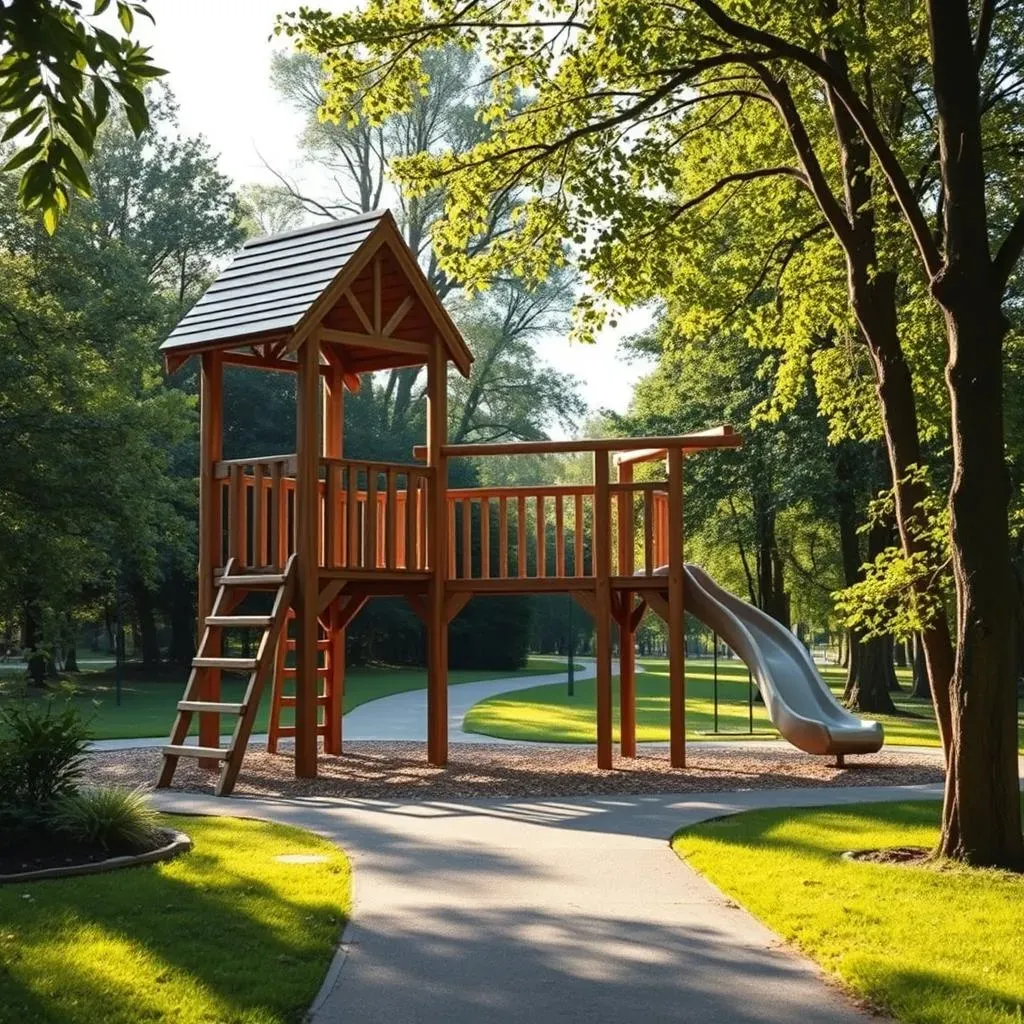
Alright, so we've established that plastic isn't the playground hero we thought it was. But fear not, because there are tons of fantastic, eco-friendly alternatives that are not only better for the planet but also way more fun. I'm talking about materials like wood, specifically Robinia wood – it's super strong, naturally resistant to rot and pests, and it looks fantastic. Think of those awesome, natural-looking climbing frames you see in some parks. Plus, wood just has a way of blending in with the environment, making the playground a more inviting and calming space. It's like bringing a piece of nature right to the play area, which is something plastic just can't do.
Then there's metal, which when used right, can be incredibly durable and sustainable. We're not talking about flimsy, rust-prone metal; we're talking about high-quality, powder-coated metal that can withstand all sorts of weather conditions and rough play. And let's not forget about rope and natural fibers. These are great for climbing structures, nets, and swings, adding a different texture and feel to the playground. They’re also biodegradable, which means they won’t be hanging around for centuries in a landfill. It’s all about getting creative and using materials that are both safe and sustainable. It’s like building with the earth, not against it.
Recycled and Upcycled Wonders
But it doesn’t stop there! We can also use recycled materials to create awesome playground equipment. Think about recycled metal or even recycled plastic, but used in a way that’s responsible and doesn’t contribute to microplastic pollution. Some companies are doing amazing work using post-consumer waste to create durable and safe play structures. It’s like taking something that was destined for the trash and giving it a new life as something fun and engaging. And let’s talk about upcycling – taking old materials and turning them into something new and better. Imagine using old tires to create a climbing wall or repurposing old shipping pallets into a playhouse. It’s not only a sustainable choice but it also sparks creativity and imagination. It’s all about thinking outside the box and finding new ways to play.
The best part is that these alternatives aren't just good for the environment; they're also great for kids. They offer a variety of textures, colors, and sensory experiences that plastic can’t match. Kids get to interact with natural materials, which can be incredibly stimulating and engaging. Plus, these materials often last longer than plastic, meaning that the playground will be around for many years to come. It’s like investing in quality and sustainability at the same time. So, when we think about plastic-free playground equipment, we’re not just thinking about what’s good for the planet; we’re also thinking about what’s best for the kids.
Material | Pros | Considerations |
|---|---|---|
Robinia Wood | Durable, natural, pest-resistant | Can be more expensive |
Recycled Metal | Strong, sustainable, long-lasting | Can get hot in direct sunlight |
Natural Fibers (Rope) | Biodegradable, good for climbing | May require more maintenance |
Recycled Plastic | Reduces waste, durable | Must be managed responsibly |
Benefits of Choosing PlasticFree Playgrounds
Benefits of Choosing PlasticFree Playgrounds
Environmental Wins
Okay, let's talk about the big picture – the environment! When we choose plastic-free playgrounds, we're not just making a small change; we're making a huge statement. We're saying no to the endless cycle of plastic production and waste. Think about it: less oil being extracted from the earth, fewer harmful chemicals being released into the air and water, and less plastic ending up in landfills and oceans. It’s like giving the planet a much-needed break. Plus, by using natural and recycled materials, we're actually helping to conserve resources and reduce our carbon footprint. It’s a win-win situation for both us and the environment. We’re creating a better, healthier planet for future generations to enjoy.
It’s not just about avoiding the bad stuff; it’s also about promoting the good. Natural materials like wood and rope are biodegradable, meaning they'll naturally break down over time without harming the environment. Recycled materials are also a fantastic choice, as they give new life to what would otherwise be waste. It's like closing the loop and creating a circular economy where resources are used responsibly. And let's not forget about the educational aspect. When kids play in a plastic-free playground, they’re learning about sustainability and environmental responsibility without even realizing it. It's like planting a seed of awareness that will hopefully grow with them. We’re not just building playgrounds; we’re building a greener future.
Health and Well-being Boost
Beyond the environmental perks, plastic-free playgrounds are also a game-changer for our kids' health and well-being. Remember those nasty chemicals that can leach out of plastic? Well, you don’t have to worry about those with natural materials. Wood, metal, and rope are generally non-toxic, meaning that kids can play without the risk of chemical exposure. And let's not forget about the sensory experience. Natural materials offer a variety of textures, colors, and even smells that can stimulate a child's senses and promote cognitive development. It’s like giving kids a more enriching and engaging play experience.
Plus, let's be real, plastic playgrounds can get super hot in the sun, making them uncomfortable and even dangerous to play on. Natural materials tend to stay cooler, which means that kids can play comfortably even on warm days. And there's something inherently calming and grounding about playing with natural materials. It’s like connecting with nature and escaping the artificial world for a while. So, when we choose plastic-free, we're not just choosing a playground; we're choosing a healthier, happier, and more enriching experience for our kids. It’s like creating a space where kids can thrive and grow, both physically and mentally.
Benefit | Description |
|---|---|
Reduced Pollution | Less plastic waste in landfills and oceans. |
Resource Conservation | Use of recycled and renewable materials. |
Healthier Play | No harmful chemicals leaching from materials. |
Enhanced Sensory Experience | Variety of textures and natural elements. |
Long-Term Benefits
Choosing plastic-free playgrounds isn't just a short-term fix; it's a long-term investment in our communities and our planet. These playgrounds tend to be more durable and longer-lasting than their plastic counterparts, meaning that they'll be around for many years to come. We’re not just building a playground for today; we’re building a legacy for the future. Plus, they often require less maintenance, which means less time and money spent on repairs. It’s like making a smart investment that will pay off over the long run.
And let's not forget about the social impact. By choosing plastic-free, we're sending a powerful message about our values and our commitment to sustainability. We're showing our kids that we care about the environment and that we're willing to make choices that reflect those values. It's like creating a ripple effect that can inspire others to make positive changes as well. We’re building a community that cares about the planet and its future. So, when we think about the long-term benefits of plastic-free playgrounds, we're not just thinking about the playground itself; we're thinking about the bigger picture and the impact we can have on the world around us. It’s like creating a better future, one playground at a time.
Building a Sustainable Future with PlasticFree Playground Equipment
Building a Sustainable Future with PlasticFree Playground Equipment
Making Conscious Choices
So, how do we actually build this sustainable future with plastic-free playground equipment? It all starts with making conscious choices. As parents, educators, and community members, we have the power to demand better. We can choose to support companies that are committed to sustainability and transparency. We can ask questions about the materials being used in playgrounds and advocate for eco-friendly alternatives. It’s like voting with our wallets and our voices, sending a clear message that we care about the planet and our kids' futures. Every purchase, every decision, makes a difference. It’s about shifting our mindset from a throwaway culture to a culture of responsibility and sustainability.
And let's not forget about the importance of education. We need to teach our kids about the impact of our choices on the environment and empower them to become advocates for change. When they understand why plastic-free playgrounds are important, they're more likely to support them and make sustainable choices in their own lives. It’s like planting a seed of awareness that will grow with them. We’re not just building playgrounds; we’re building a generation of environmentally conscious individuals. It's about creating a future where sustainability is not just a trend but a way of life. We have the power to shape that future, one playground at a time.
Community Engagement and Action
Building a sustainable future isn't something we can do alone; it requires community engagement and action. We need to work together to create change, from local initiatives to larger movements. Start by talking to your neighbors, your school boards, and your local parks and recreation departments about the importance of plastic-free playgrounds. It's about raising awareness and building support for these initiatives. And let’s not forget about volunteering. You can help organize community cleanups, plant trees, or participate in playground building projects that use sustainable materials. It’s about getting involved and making a difference in your own backyard.
And let’s not underestimate the power of small actions. Every time we choose to buy products made from recycled materials, every time we reduce our waste, and every time we support local, sustainable businesses, we’re contributing to a larger movement. It’s about making small changes that can have a big impact over time. It’s like adding our own little drop to the ocean of sustainability. And let’s not be afraid to challenge the status quo. Sometimes, it takes courage to speak up and demand change, but it’s essential if we want to create a better world for future generations. We’re not just building playgrounds; we’re building a community that cares about the planet and its future. It’s about working together to make change happen.
Action | Impact |
|---|---|
Support sustainable companies | Encourages eco-friendly production. |
Educate kids about sustainability | Creates future advocates for change. |
Engage with the community | Builds support for plastic-free playgrounds. |
Volunteer and participate | Contributes to tangible change. |
Innovative Solutions and Future Trends
The future of plastic-free playground equipment is bright, with lots of innovative solutions and exciting trends on the horizon. We're seeing new materials being developed, like bio-based plastics made from plants, which are biodegradable and renewable. We’re also seeing more creative uses of recycled materials, like repurposing old fishing nets into climbing structures or using reclaimed wood to create unique play areas. It's like turning waste into wonder, and it’s all part of a bigger movement towards a circular economy. And let’s not forget about the technology side, with smart designs that optimize the use of sustainable materials and create more engaging and interactive play experiences. It’s about combining creativity, technology, and sustainability to create playgrounds that are not only safe and fun but also good for the planet.
The key is to keep learning, innovating, and pushing the boundaries of what's possible. We need to be open to new ideas and willing to experiment with different approaches. And let’s not be afraid to collaborate and share knowledge with others. It’s about working together to find the best solutions and creating a movement that inspires others to do the same. The future of playgrounds is about more than just having a place for kids to play; it’s about creating spaces that are healthy, sustainable, and inspiring for generations to come. It’s like building a legacy of positive change, one playground at a time. We need to embrace this opportunity and make it happen.