Table of Contents
Thinking about adding a splash of fun and activity to a park, school, or community space? You're likely wading into the world of recreation playground equipment. It's more than just swings and slides; it's about creating spaces where kids can burn off energy, develop skills, and maybe even learn how to share (a tall order, I know). Choosing the right recreation playground equipment feels like a big decision because, well, it is. You're investing not just money, but in the safety and enjoyment of countless children for years to come. Get it wrong, and you end up with a costly mistake that sees more tumbleweeds than tiny humans. This article cuts through the noise. We'll walk through the crucial factors often overlooked when picking recreation playground equipment, dive into the non-negotiable safety standards, and touch on what happens after the truck leaves – installation and keeping the whole thing in decent shape. Stick with us, and you might just avoid some headaches down the line.
What is Recreation Playground Equipment and Why It Matters?
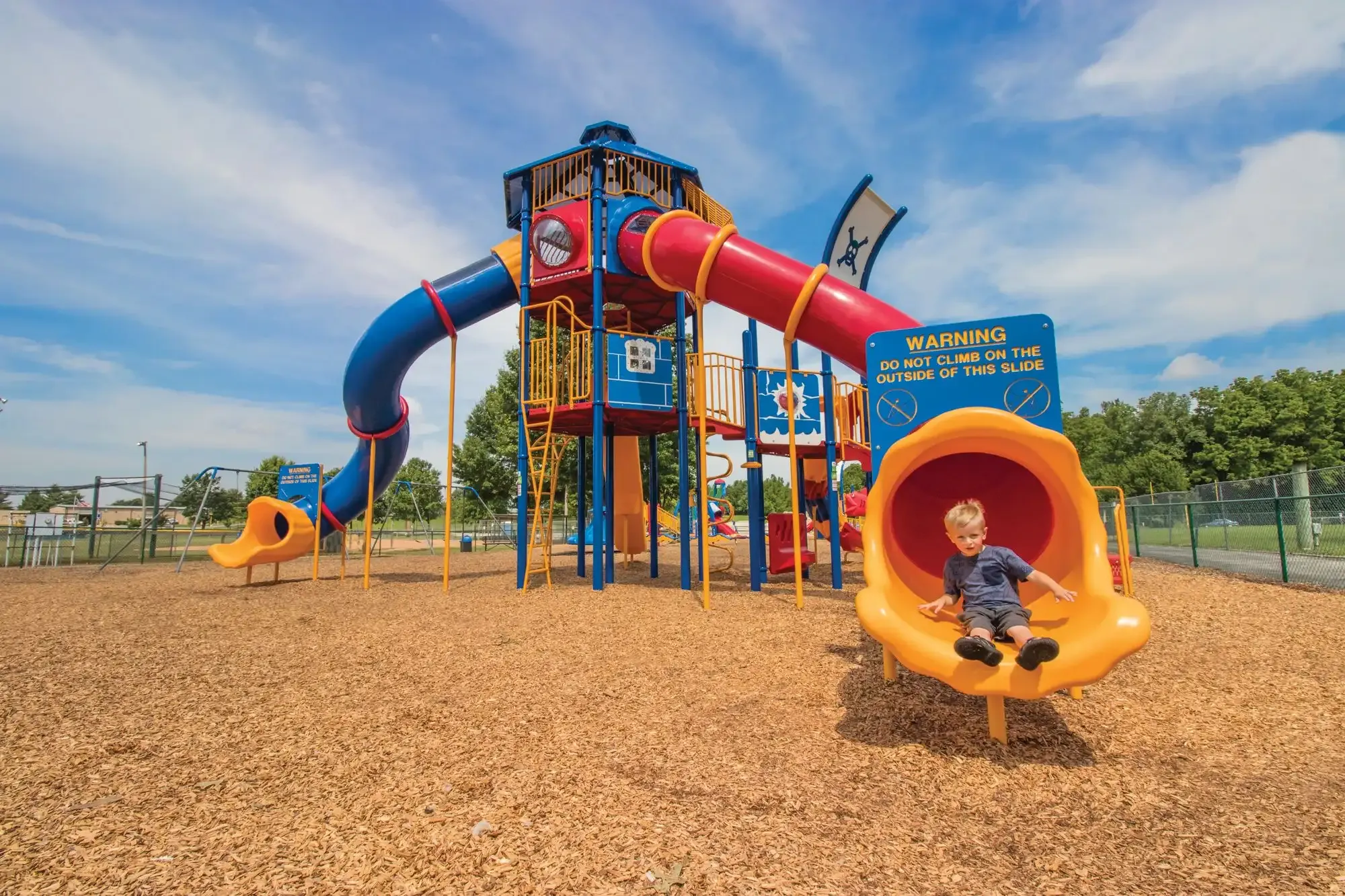
What is Recreation Playground Equipment and Why It Matters?
More Than Just Metal and Plastic
When we talk about recreation playground equipment, most folks picture the classic swing set or a primary-colored slide. And sure, that's part of it. But the term covers a surprisingly broad spectrum. We're looking at everything from elaborate climbing structures that look like miniature castles to simple balance beams, spinning elements, and even outdoor musical instruments. It's the stuff designed specifically to get kids moving, interacting, and using their imaginations in a dedicated space. Think of it as the physical infrastructure for childhood free play – the kind that doesn't involve a screen and might result in a scraped knee (a badge of honor for some of us).
Why Bother Investing? The Real Payoff
So, why does quality recreation playground equipment actually matter beyond just keeping kids busy for a bit? Because it's fundamental to development. Kids aren't just burning calories; they're building gross motor skills by climbing and running, refining fine motor skills gripping ropes, and improving balance and coordination. Socially, playgrounds are mini-laboratories for learning negotiation ("My turn on the slide!"), cooperation, and handling minor conflicts. Plus, navigating a complex structure builds problem-solving skills and spatial awareness. Good equipment facilitates all of this, offering varied challenges that grow with the child.
- Physical Development: Strength, balance, coordination, motor skills.
- Social Skills: Sharing, negotiation, cooperation, communication.
- Cognitive Growth: Problem-solving, spatial awareness, imaginative play.
- Emotional Regulation: Managing frustration, building confidence.
Building Community, One Swing at a Time
Beyond the individual child, recreation playground equipment serves a vital community function. These spaces act as natural gathering points for families. Parents connect while kids play, fostering a sense of local community. A well-designed, accessible playground signals that a neighborhood values its youngest residents and provides a safe, engaging environment for them to thrive. It's an investment in public health, social cohesion, and frankly, making a place somewhere people actually *want* to live and raise kids. Neglect these spaces, and you lose a simple, effective way to bring people together.
Key Considerations When Selecting Recreation Playground Equipment
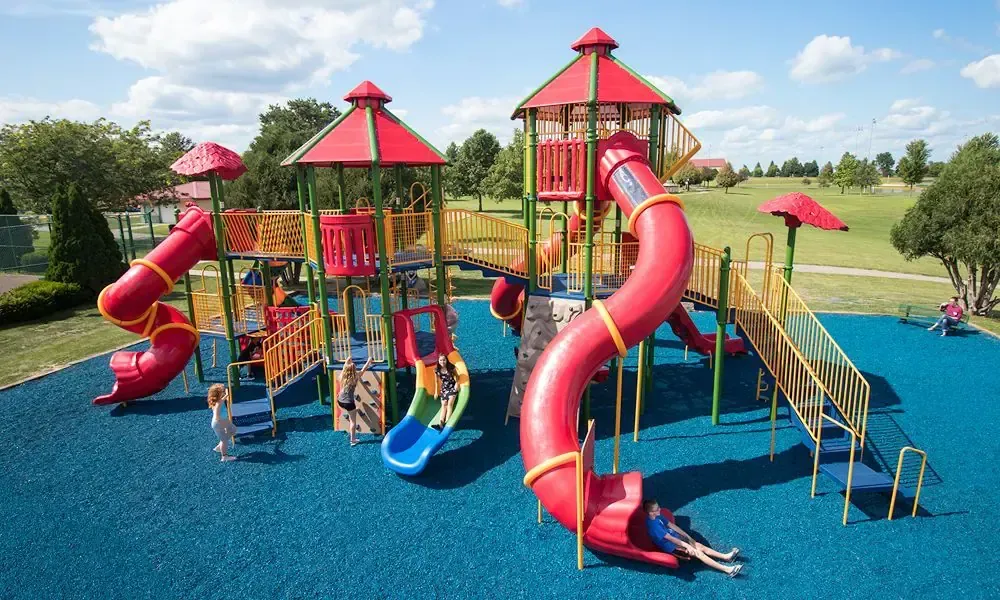
Key Considerations When Selecting Recreation Playground Equipment
Thinking Beyond the Pretty Pictures
Alright, so you're past the "why bother" stage and ready to look at the actual gear. This is where things get interesting, and honestly, a little overwhelming if you don't know what to look for. Selecting the right recreation playground equipment isn't just picking the coolest-looking structure from a catalog. You've got to think about the kids who will actually use it – their ages, abilities, and how they interact. You need to consider the space you have, the ground surface, and even the local climate. Will metal slides become branding irons in the summer? Will wood splinter and rot quickly? These practicalities often get glossed over in the initial excitement, but ignoring them leads to problems down the line. Let's break down some of the non-negotiables.
- Age Appropriateness: Equipment should match developmental stages.
- Site Specifics: Account for space, terrain, and climate.
- Durability and Materials: Choose materials built to last and withstand wear and tear.
- Accessibility: Ensure inclusion for children of all abilities.
Ensuring Safety Standards for Recreation Playground Equipment
Ensuring Safety Standards for Recreation Playground Equipment
Why Safety Isn't Optional, It's Everything
let's get serious for a minute. Once you've picked out the cool stuff, the absolute, non-negotiable priority is safety. We're talking about kids launching themselves off things, running full tilt, and generally testing the laws of physics. Recreation playground equipment needs to withstand this joyful chaos without causing unnecessary harm. Injuries happen, sure, but catastrophic ones due to faulty design or materials are preventable. Ignoring safety standards isn't just irresponsible; it opens you up to serious liability and, more importantly, puts children at unacceptable risk. Think of it as building a bridge – you don't just hope it holds, you engineer it to strict specifications because lives depend on it. Playgrounds are no different.
Navigating the Alphabet Soup of Safety Standards
So, how do you actually *ensure* safety? You look to the experts and the established guidelines. In the US, the big ones are the ASTM (American Society for Testing and Materials) standards and the CPSC (Consumer Product Safety Commission) guidelines. These cover everything from fall height requirements and protective surfacing types to pinch points, head entrapment hazards, and structural integrity. Reputable manufacturers of recreation playground equipment design their products to meet these benchmarks. You'll also often see IPEMA (International Play Equipment Manufacturers Association) certification, which means an independent third party has verified that the equipment meets the relevant ASTM standards. Don't just take a manufacturer's word for it; ask for the documentation. It's like buying a car – you want to know it passed its safety tests.
Ever wonder what those symbols or certifications on playground gear actually mean? They're signals that someone, somewhere, did their homework. It's your first line of defense in ensuring the recreation playground equipment you choose is built with safety in mind from the ground up.
- ASTM F1487: Standard Consumer Safety Performance Specification for Playground Equipment for Public Use. This is the big one.
- CPSC Handbook for Public Playground Safety: A comprehensive guide offering recommendations.
- IPEMA Certification: Indicates independent testing confirms compliance with ASTM standards.
- Proper Fall Surfacing: Critical for mitigating injuries from falls.
Beyond the Build: Ongoing Safety Checks
Buying compliant recreation playground equipment is step one. Keeping it safe is an ongoing commitment. Weather, heavy use, and even vandalism can degrade equipment over time. Regular inspections are crucial. We're talking about checking for loose bolts, cracked plastics, splintering wood, worn-out ropes, and ensuring the protective surfacing is still at the correct depth and in good condition. A piece of equipment that was safe on day one can become hazardous if neglected. Many organizations hire certified playground safety inspectors (CPSI) for formal audits, but daily or weekly checks by staff are also vital. It's less exciting than picking out cool slides, but arguably more important for preventing skinned knees from turning into broken bones or worse.
Installation and Maintenance of Your Recreation Playground Equipment Investment
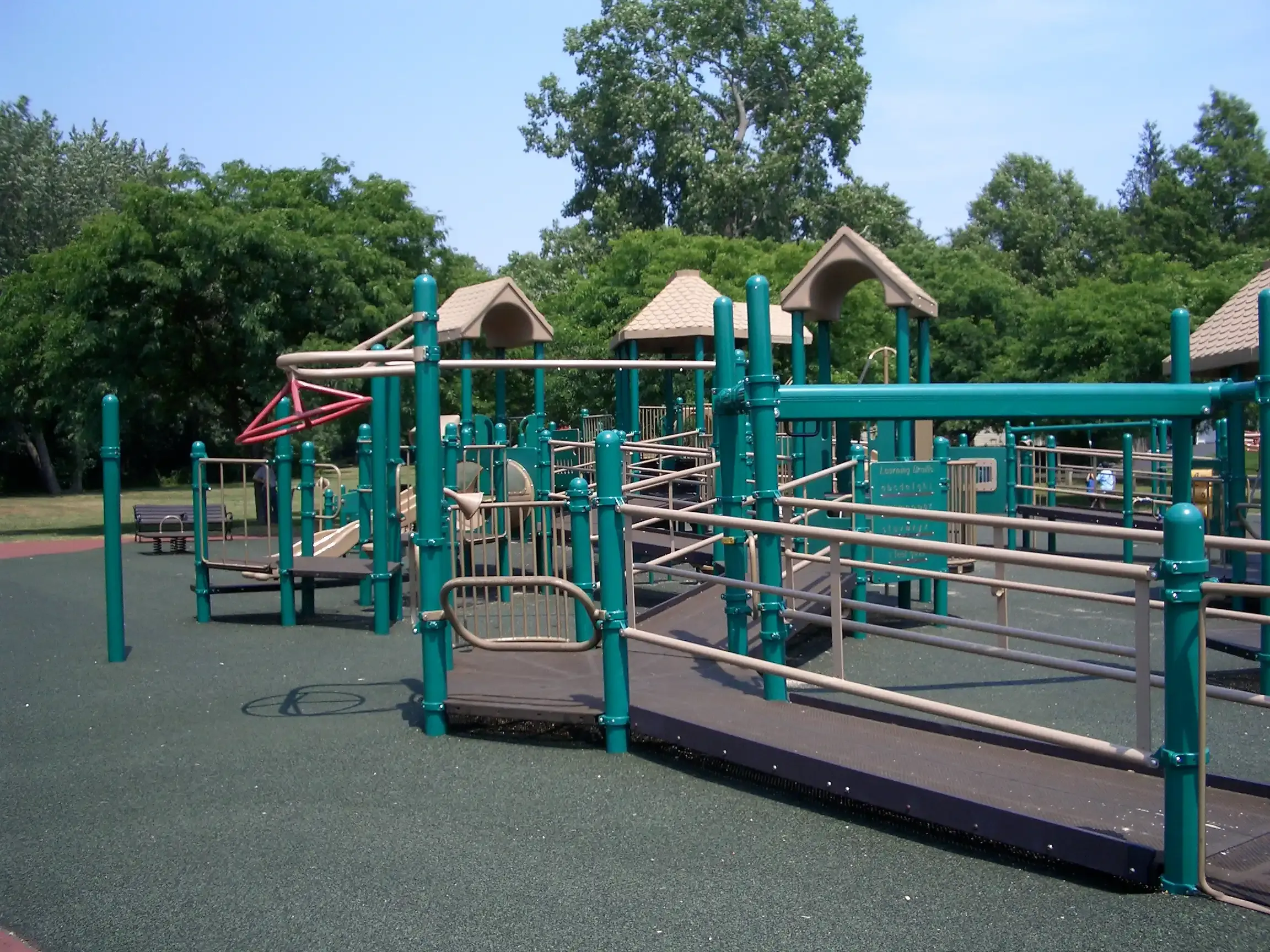
Installation and Maintenance of Your Recreation Playground Equipment Investment
Getting Your Recreation Playground Equipment Off the Truck and Into the Ground
you've done the homework, picked the right recreation playground equipment, navigated the safety standards, and the big crates have arrived. Now comes the fun part: putting it all together. This isn't like assembling IKEA furniture, though sometimes the instructions feel that way. Proper installation is absolutely critical. A poorly installed structure isn't just wobbly; it's a major safety hazard. Manufacturers provide detailed instructions for a reason – follow them to the letter. Or, even better, hire experienced, certified installers. They know how to deal with different soil types, anchor points, and ensuring everything is level, plumb, and torqued correctly. Shortcuts here are a recipe for disaster down the road, leading to premature wear, structural failure, and potential injuries. It's the foundation of your investment, literally and figuratively.
Keeping Your Investment Looking Good and Staying Safe
So, the kids are swarming the new recreation playground equipment, which is exactly what you wanted. Great! Now, don't just walk away. This stuff takes a beating. Sun, rain, snow, and constant use wear down materials. Regular maintenance isn't optional; it's essential to prolonging the life of the equipment and, more importantly, keeping it safe. We're talking about routine checks for loose bolts, worn-out parts, splintering wood, cracked plastic, and rust. Keep the protective surfacing topped up and free of debris. A small issue caught early is a five-minute fix; ignored, it can become a major repair or a serious safety risk. Think of it like changing the oil in your car – you do it to prevent a blown engine later.
- Check for loose bolts and connections regularly.
- Inspect surfaces for wear, cracks, or splinters.
- Ensure protective surfacing is adequate and maintained.
- Look for signs of rust or corrosion on metal parts.
- Clear debris (trash, branches) from the play area.
When Things Go Wrong: Repairs and Replacements
Even with the best maintenance plan, things break. It's recreation playground equipment; it's designed to be used hard. When something shows significant wear or breaks, address it immediately. Don't just tape it up or hope nobody notices. Secure the area to prevent kids from using the damaged equipment and order replacement parts from the manufacturer. Using generic parts or trying to jury-rig a fix can compromise the structural integrity and safety compliance. Sometimes, a piece is beyond repair, and you have to bite the bullet and replace it. It stings the budget, but it's necessary to maintain a safe play environment and protect your overall investment in the recreation playground equipment.
Wrapping Up Your Recreation Playground Equipment Project
So, we've navigated the labyrinth of picking recreation playground equipment, drilled into why safety isn't a suggestion, and peeked at what happens after the delivery truck pulls away. It’s clear this isn't a set-it-and-forget-it deal. Getting the right equipment means asking hard questions, checking credentials, and planning for the long haul – think installation quirks and the tedious reality of ongoing maintenance. The goal isn't just putting metal and plastic in a field; it's building a space that actually gets used, stays safe, and doesn't become a liability or, worse, an eyesore nobody goes near. Do your homework, lean on expertise where you need it, and accept that the initial decision is just the first step in keeping the swings swinging and the slides slick for the kids who will actually use them.