Table of Contents
Remember that feeling of swinging so high you thought you might touch the clouds? Or the scraped knees from sliding down a well-worn slide? There’s something timeless about kids playing outside, burning energy, and building forts with their imaginations. If you’re looking to bring that magic to your own backyard, investing in qualitywooden outdoor playground equipmentis often high on the list. It looks great, feels sturdy, and offers a classic play experience that plastic just can’t replicate. But let's be real, picking the right set and keeping it in shape isn't always a walk in the park. You've got questions: What lasts longest? Is it safe? How much work is this really going to be? This guide cuts through the noise. We'll walk you through selecting the right wooden outdoor playground equipment for your space and budget, tackle the nitty-gritty of installation, and give you the lowdown on maintenance to ensure years of safe, active fun. Stick around to find out what makes a good set and how to avoid common pitfalls.
Why Choose Wooden Outdoor Playground Equipment for Your Backyard?
Why Choose Wooden Outdoor Playground Equipment for Your Backyard?
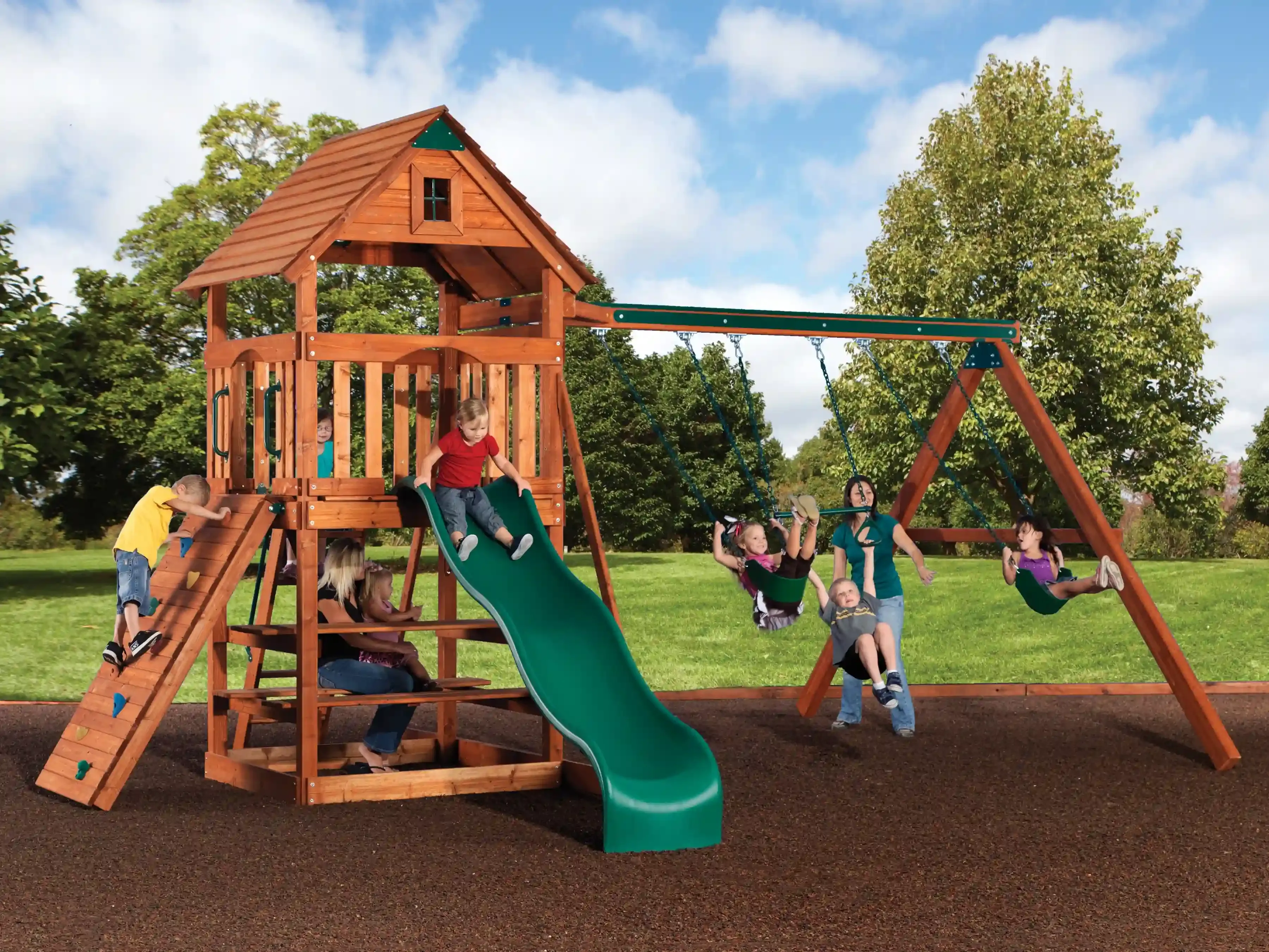
so you're staring at that empty patch of grass in the backyard, picturing kids screaming with delight (the good kind, hopefully), and you're wondering where to start. Plastic looks bright and cheap, sure, but let's talk aboutwooden outdoor playground equipment. It's got a certain classic appeal, doesn't it? Like something pulled right out of a Norman Rockwell painting, if Rockwell painted splinters and tire swings. Beyond the aesthetics, there’s a heft, a solidness that just feels… right. It blends into the landscape better than a neon-colored plastic blob, and frankly, it often holds up better against the elements and the relentless assault of energetic children. Plus, there's something satisfying about the natural material, a connection to the outdoors that plastic, derived from oil, just can't replicate. It’s an investment, no doubt, but one that pays dividends in backyard curb appeal and potentially higher resale value, not to mention years of actual play.
Selecting and Installing Your Wooden Outdoor Playground Equipment
Selecting and Installing Your Wooden Outdoor Playground Equipment
Picking the Right Piece of Wooden Magic
Alright, so you've decided you want a solid, good-lookingwooden outdoor playground equipmentset. Good choice. Now comes the fun part: wading through options. Think about the age of the kids who'll be using it. A tiny toddler swing set is different from a sprawling fort with monkey bars and a 10-foot slide designed for daredevil pre-teens. Measure your space. Seriously, get out there with a tape measure. Don't just eyeball it and think, "Yeah, that looks about right." You need room for the structure itself, plus a safety zone around it – usually six feet in all directions from the edge of the equipment and the farthest swing point. What kind of wood are you looking at? Cedar and redwood are popular because they naturally resist rot and insects, meaning less chemical treatment, which is a win for everyone. Pine is cheaper but usually needs more treating and might not last as long unless it's specifically pressure-treated for ground contact. Check the hardware too; galvanized or stainless steel prevents rust, which is crucial for anything living outside year-round.
Getting Ready: Site Prep and Delivery Day
you've picked the perfect wooden swing set or play structure. Now, where exactly is it going? Find a spot that's flat and well-drained. You don't want your beautiful new investment sitting in a puddle after every rainstorm. Slopes are a no-go for safety reasons; swings won't hang right, and slides might end abruptly. Clear the area of any rocks, roots, or other trip hazards. Think about sun exposure – maybe some shade is good, but too much shade can mean mildew. Consider visibility from the house so you can keep an eye on things without having to stand outside in the rain. When the delivery truck shows up, be ready. These things come in a million boxes, sometimes weighing a ton. Have a plan for where you'll stash the parts temporarily. Unpack carefully and check the inventory against the packing list immediately. Missing one crucial bolt can halt your entire weekend project.
Here’s a quick checklist for site prep:
- Measure the space, including safety zones.
- Choose a flat, well-drained area.
- Clear the ground of debris (rocks, roots).
- Consider sun exposure and visibility.
- Plan for temporary storage of parts on delivery day.
Assembling the Beast: Tools, Patience, and Maybe a Friend
Alright, the boxes are there, the site is ready, and you've got the instructions that look suspiciously like IKEA furniture diagrams but for giant wooden structures. Installation of wooden outdoor playground equipment is not usually a solo gig, unless you're secretly a superhero. Recruit a friend or two. You'll need basic tools: a drill, sockets, wrenches, a level, maybe a rubber mallet. Power tools speed things up but be careful not to overtighten bolts and crack the wood. Follow the steps exactly. Skipping ahead or assuming you know better is a fast track to frustration and wobbly structures. Some kits have really clever pre-drilled holes and notched beams; others require a bit more finesse. Anchor the set down properly once it's built. Many kits come with anchors, but if not, buy some screw-in or concrete anchors, especially if you live in a windy area. A set that tips over is a serious hazard. Double-check every bolt and connection before letting anyone climb on it. Trust me, a few extra minutes checking everything is better than a trip to the emergency room.
Keeping Your Wooden Outdoor Playground Equipment in Top Shape

Keeping Your Wooden Outdoor Playground Equipment in Top Shape
Regular Check-Ups and Cleaning Are Not Optional
Alright, so you got the beast assembled. High fives all around. Now comes the part that separates the folks who have a charming, long-lasting playset from the ones whosewooden outdoor playground equipmentlooks like a haunted shipwreck after two years. Maintenance isn't glamorous, but it's non-negotiable if you want this thing to last and, you know, not injure anyone. Think of it like owning a car; you wouldn't just drive it until it dies, right? maybe you would, but don't do that with something your kids swing from. Get into a routine. At least twice a year, spring and fall are good times, give the whole structure a thorough inspection. Look for loose bolts, splintering wood, cracks, or anything that looks wobbly. Tighten those bolts. Sand down any rough spots or splinters before they become tiny, painful souvenirs. Clean off the grime, mildew, and whatever sticky mystery substances kids manage to apply. A little mild soap and water go a long way. Pressure washing can be okay, but use a low setting; you don't want to blast the wood apart.
Neglecting these simple steps is like ignoring a leaky faucet – it starts small, then suddenly you have a flooded basement. I once saw a swing beam on a neighbor's set that looked like it was about to snap because they never checked the hardware. Lucky nobody was on it when it finally gave way. This isn't just about aesthetics; it's about safety. Ropes fray, plastic coatings on chains crack, and wood can start to rot in hidden spots. Pay attention to the details. Check the ground anchors too; they can loosen over time, especially after heavy rain or determined wiggling. If you find anything that looks seriously damaged – a cracked support beam, a major split – address it immediately. Don't wait. Patching or replacing a small piece now is way easier and cheaper than rebuilding the whole thing later.
Protecting the Wood: Sealing, Staining, and Dealing with Rot
Wood is natural, which is great, but it also means it's vulnerable to sun, rain, and creepy crawlies. To extend the life of yourwooden outdoor playground equipment, you need to protect it. Sealing or staining the wood every few years is crucial. This isn't just about making it look pretty; the sealant repels water, preventing rot and warping, and the stain can offer UV protection, stopping the sun from turning the wood gray and brittle. Choose a product specifically designed for outdoor use and ideally one that’s non-toxic once cured, considering kids will be all over it. Clear sealants work, but a semi-transparent stain with a bit of color can offer better UV protection and hide minor imperfections. Before you apply anything, clean the wood thoroughly and let it dry completely. Applying sealant to damp wood is like putting a raincoat on before you get out of the shower – pointless.
Pay special attention to the parts of the set closest to the ground or those that stay damp the longest. These are prime spots for rot to set in. If you see soft, spongy wood, that's rot. You might be able to cut out the rotten section and replace it, or use a wood hardener and filler for smaller areas. But if a main structural piece is rotting, you've got a bigger problem on your hands and might need to call in some help or consider replacement. Termites and other wood-boring insects are also a threat depending on your region. Keep the area around the base clear of mulch or debris that can hold moisture and attract pests. Some stains and sealants offer insect resistance, which is a bonus. It’s a bit of work, sure, but a weekend spent cleaning and sealing every couple of years is a small price to pay for a playset that lasts a decade or more.
Ask yourself:
- When was the last time I tightened the bolts?
- Are there any splinters waiting to happen?
- Does the wood look dry, gray, or cracked?
- Is there any soft, spongy wood (rot)?
- Are the ground anchors still secure?
Common Questions About Wooden Playground Safety and Lifespan
Common Questions About Wooden Playground Safety and Lifespan
Is Wooden Outdoor Playground Equipment Safe for Kids?
let's talk safety, because honestly, that's the biggest concern when you're putting something kids will climb all over in your backyard. Iswooden outdoor playground equipmentinherently safe? Yes, when it's properly designed, installed, and maintained. The big worries are usually splinters, falls, and structural failures. Splinters are a real possibility with wood, which is why regular sanding and sealing are your best friends. Fall safety is huge. You absolutely need a proper surface underneath – wood chips, rubber mulch, sand, or those interlocking rubber mats. Grass looks nice, but it offers zero impact absorption from any height. A fall from six feet onto packed earth? That's asking for trouble. Look for sets that meet ASTM safety standards. This means they've been tested for things like pinch points, head entrapment hazards, and structural load capacity. Don't buy a set that feels flimsy or has obvious design flaws just because it's cheap. Your kid's collarbone is more expensive.
Beyond the structure itself, think about the accessories. Are the swings securely attached? Are the chains rusty or cracked? Is the slide securely mounted? Safety isn't a one-time check; it's an ongoing commitment. My own kids managed to loosen a bolt on a ladder rung within a week of us putting up their set, just from vigorous climbing. Caught it on a routine check. It's those little things that can become big problems. Keep the area around the playset clear of toys, bikes, or anything else that could be a tripping hazard when a kid jumps off a swing or the deck. And teach kids the rules: no pushing, no crowding, always slide feet first. The equipment is only half the safety equation; supervision and good habits are the other.
How Long Will My Wooden Playset Actually Last?
So, you're dropping a decent chunk of change on this thing. You want to know it's not going to turn to dust in three years. The lifespan ofwooden outdoor playground equipmentvaries a lot, but a well-built set, properly cared for, can easily last 10 to 20 years, sometimes even longer. The type of wood is a major factor. As mentioned, cedar and redwood are naturally durable. Pine, even pressure-treated, might have a shorter life unless it's top-quality and maintained religiously. Climate plays a huge role too. Constant sun, heavy rain, snow, and extreme temperature swings all stress the wood. A set in Arizona faces different challenges than one in Florida or Minnesota.
Maintenance is the absolute key differentiator. A set that's regularly cleaned, sealed or stained, and inspected for loose hardware and rot will outlast a neglected one by years, maybe decades. Think of it like that old car analogy again. You change the oil, rotate the tires, fix small issues before they become major breakdowns. Same principle applies here. Ignoring a small crack or a section of mildew can lead to bigger structural problems down the line. Don't expect a cheap pine set left untreated in a wet climate to last as long as a high-quality cedar set that gets sealed every other year. You get out of it what you put into it, in terms of longevity.
Typical Lifespan Factors:
- Wood type (Cedar, Redwood > Pine)
- Climate (Harsh weather reduces life)
- Maintenance frequency (Regular sealing, inspection helps)
- Quality of construction and hardware
- Usage intensity
Making the Most of Your Wooden Playground Investment
So, you've navigated the choices, wrestled with the assembly instructions, and hopefully avoided burying any critical bolts in the backyard. The reality is, owningwooden outdoor playground equipmentisn't a set-it-and-forget-it situation. It requires a bit of attention – checking for loose bolts, maybe a coat of sealant down the line. But the payoff? A solid structure that encourages kids to ditch the screens and get outside, year after year. It’s not just a purchase; it’s a piece of the backyard landscape that, with a little care, can provide a reliable spot for climbing, swinging, and making noise. That seems like a reasonable return on investment in our book.